
Expert Advice to Enjoy a Cozy Winter
Winter’s chill brings more than just cozy nights by the fire. It often ushers in a unique set of winter plumbing woes. From frozen pipes and burst pipes to overworked water heaters and clogged drains, the colder months can put a strain on your plumbing system. This post will discuss common winter plumbing problems and give you practical tips to prevent them during the winter months.
Nobody wants to deal with a plumbing emergency, especially during the holidays. This guide offers preventative measures and troubleshooting advice to keep your plumbing flowing smoothly and your water supply safe. Avoid those unwelcome surprises, costly repairs, and the need for plumbing services. Dealing with winter plumbing issues during the holidays is enough to make anyone’s spirits drop faster than the temperature outside.
Common Winter Plumbing Problems
Frozen Pipes
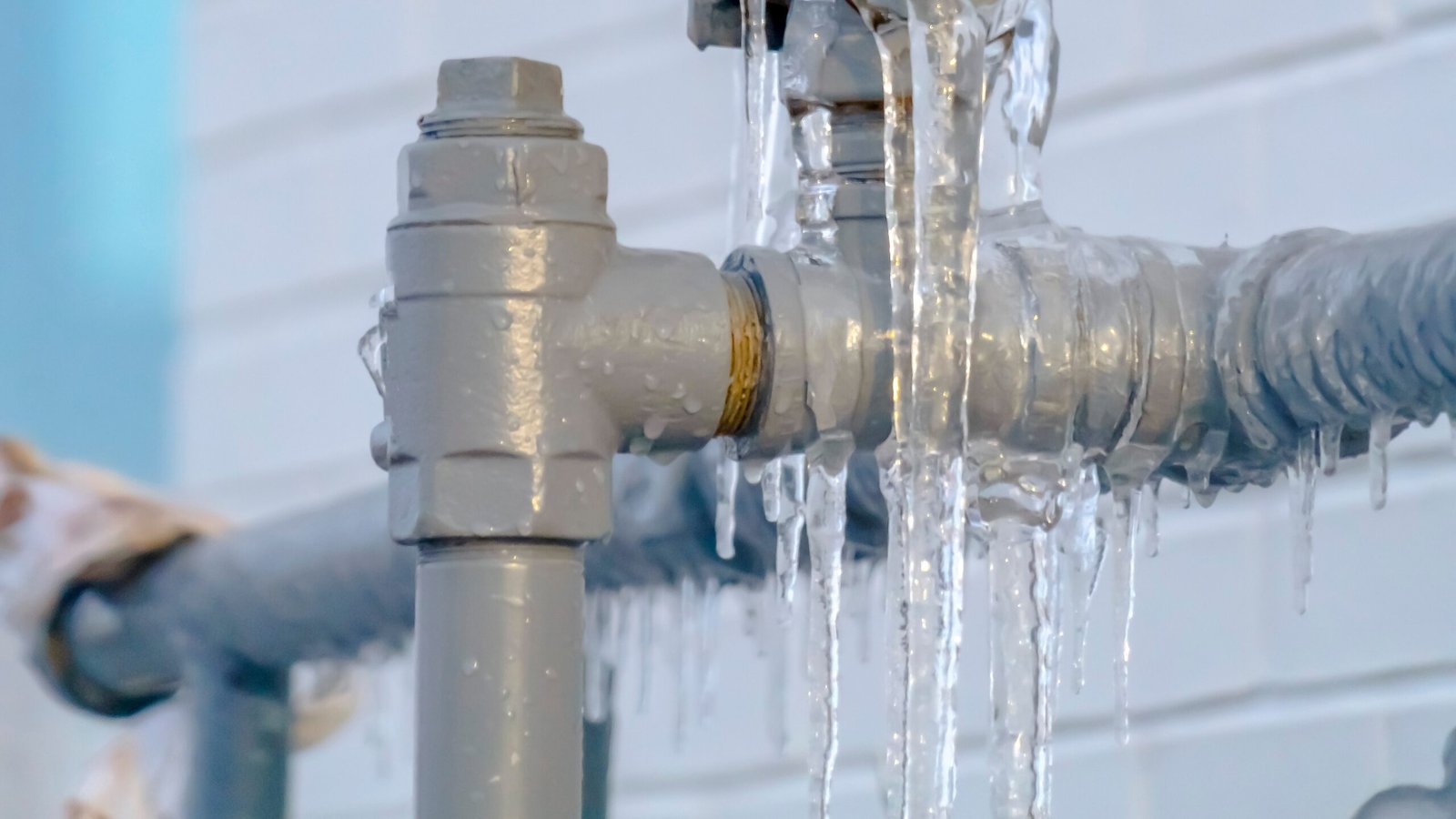
Frozen pipes are a homeowner’s worst nightmare. When water freezes inside a pipe, it expands, putting tremendous pressure on the pipe walls. This often causes pipe damage with cracks or bursts, resulting in costly plumbing repair, water damage, and a major headache.
Pipes located in unheated areas like basements, attics, crawl spaces, and exterior walls are most vulnerable to cold weather. Exposed pipes and outdoor spigots are also easy targets for freezing. Even pipes running through cabinets under sinks can freeze if not adequately insulated.
Preventing Frozen Pipes
Insulation is vital to prevent freezing, especially in vulnerable areas like attics and crawl spaces. Wrap these pipes with foam pipe insulation—it’s readily available and easy to install yourself. Consider adding heat tape for extra protection on exposed pipes and outdoor drains. Prevent freezing pipes to avoid plumbing problems.
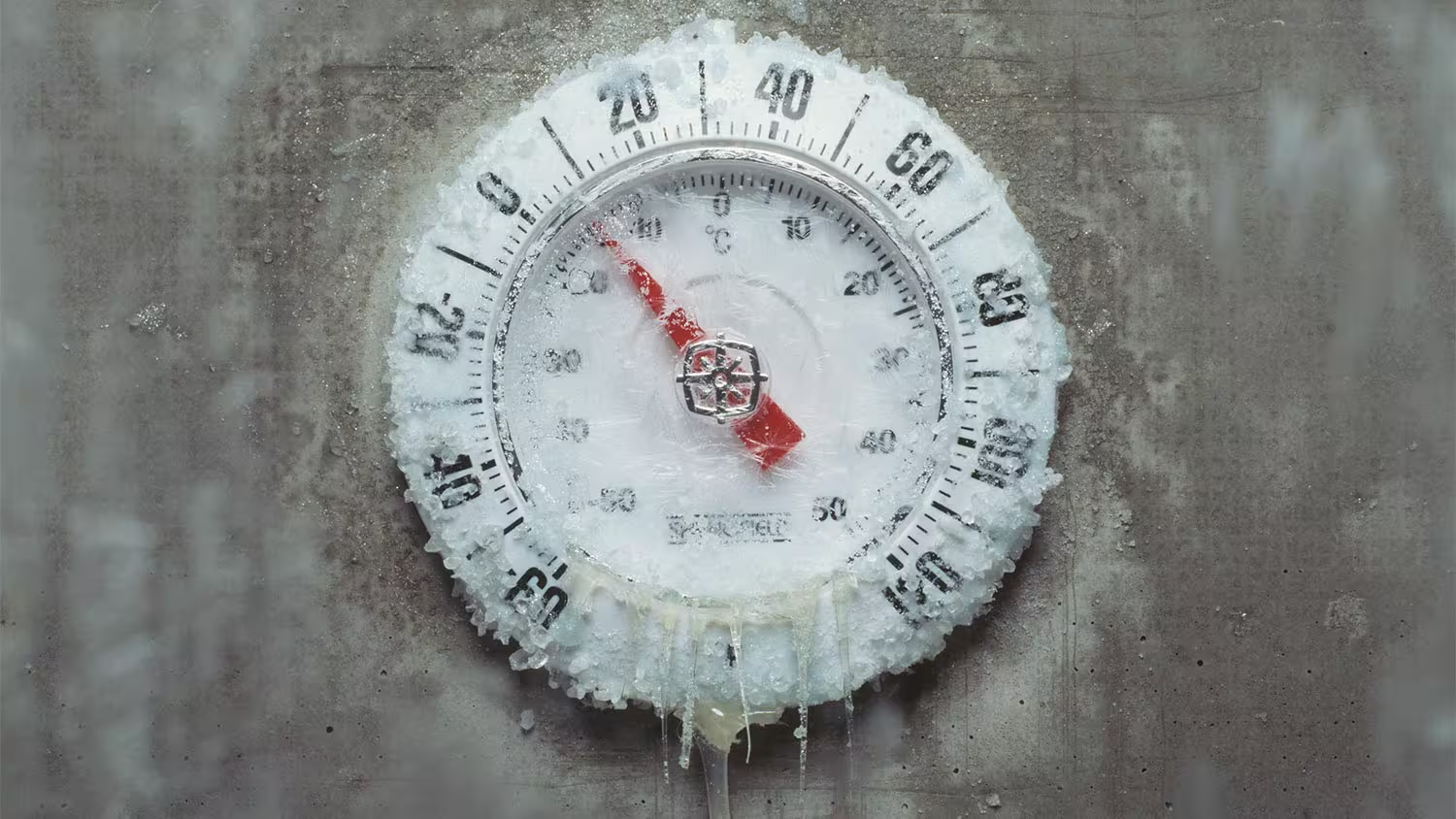
Maintaining a consistent indoor temperature is critical to prevent frozen water lines. Even if you’re away, keep your thermostat set to at least 55°F. This helps prevent pipes from freezing. Opening cabinet doors under sinks during cold snaps lets warm air circulate around the pipes, adding an extra layer of protection.
Clogged Drains
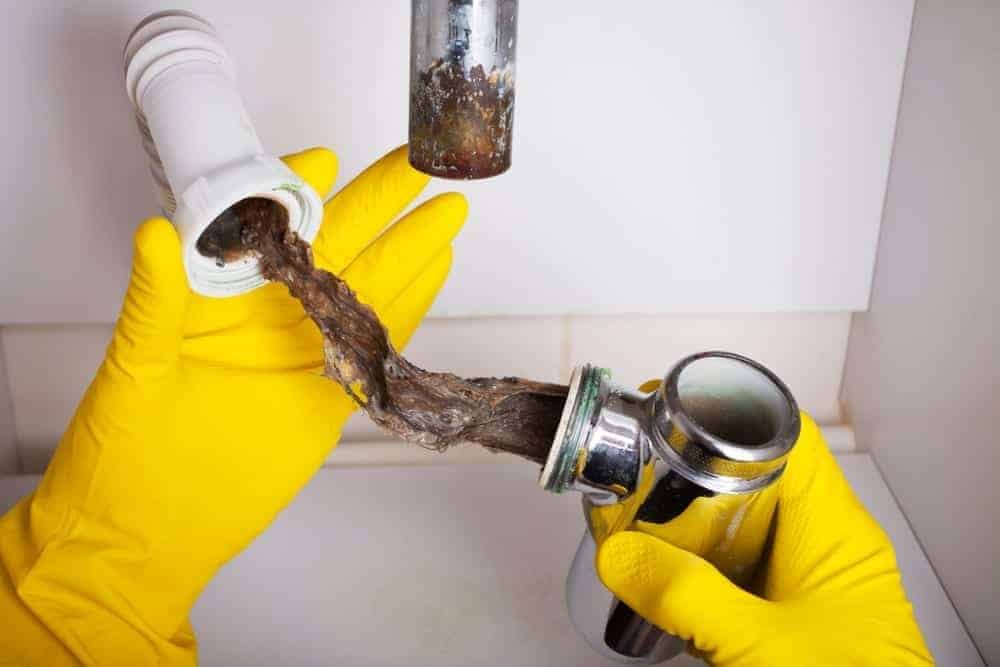
The holidays often mean more cooking, guests, and, consequently, greater strain on your kitchen drains and garbage disposal. Increased food waste and grease going down the drain can result in clogged kitchen sinks and garbage disposals. Even bathroom sinks and showers can become clogged with increased use. Holiday cooking can contribute to drain clogs if not careful.
Preventing Clogged Drains
Be mindful of what you put down your drain to prevent clogs. Never pour grease, fats, or oils down the drain. Dispose of coffee grounds and food scraps in the trash, not the garbage disposal.
It’s also a good idea to run hot water for around 30 seconds after washing anything in your sinks or bath to push things through and prevent drain clogs. For temporary relief from drain clogs, try pouring hot water with dish detergent and a vinegar mixture down the sink drain.
Water Heater Troubles
Your water heater works hard year-round, but especially during winter. With increased demand for hot water, water heaters can become strained and prone to failure during cold weather. Cold water can make winter water heater problems worse.
Preventing Water Heater Issues
Flushing your water heater tank annually helps remove sediment buildup. This buildup reduces efficiency and contributes to breakdowns. Insulating your water heater tank and pipes helps retain heat and improve efficiency. Be sure to check the pressure relief valve to prevent burst pipes.
Draining your tank water heater annually helps maintain its efficiency. Regular maintenance and a water heater check can identify any heater troubles before they become serious problems.
Sump Pump Problems
Winter weather brings snow and ice, and when that melts, your sump pump keeps excess water away from your foundation. A sump pump check is important, especially in places where temperatures fluctuate during cold seasons.
Maintaining Your Sump Pump
Cleaning the sump pit in the fall helps prevent plumbing issues in winter. This removes debris and ensures your system flows as designed. Regularly checking that your pump switches on and off can prevent issues.
Ensure your downspouts direct water away from your home’s foundation. Consider installing metal drains, as they typically handle higher volumes of water than plastic drains.
Preventing Winter Plumbing Problems: A Checklist
Here’s a checklist to prevent common winter plumbing issues:
| Problem | Prevention |
|---|---|
| Frozen Pipes | Insulate pipes, maintain indoor temperature, and use heat tape on exposed pipes. |
| Clogged Drains | Avoid pouring grease, fats, oils, coffee grounds, and food scraps down the drain. Use drain strainers and run hot water after use. Clean the garbage disposal regularly to remove food waste. |
| Water Heater Issues | Flush the heater tank annually, insulate the tank and pipes, check the pressure relief valve, consider winter water heater maintenance, and address any heater work or water heater work promptly. Schedule regular plumbing maintenance for your water heaters, especially before winter. |
| Sump Pump Failure | Clean the sump pit, test regularly, ensure proper drainage away from the foundation, and inspect for any septic tank issues. |
Dealing with wintertime plumbing issues when it’s freezing outside is nobody’s idea of fun. Regular plumbing maintenance can prevent many winter plumbing problems. Prevent drain clogs by being mindful of what goes down your kitchen sinks. Taking preventative measures beforehand ensures these plumbing disasters never affect you.
Simple steps can make a big difference, especially when our plumbing systems are under unusual stress. These seemingly small actions create a powerful protective barrier against winter plumbing problems, offering peace of mind. Even paying attention to simple things like your kitchen sink drain can make a difference. Remember that reliable plumbing is key to a comfortable winter.
Conclusion
Winter plumbing issues like frozen pipes, bursts, and clogs can be costly but are preventable with the right strategies. Insulating pipes, maintaining sump pumps, and sealing drafts around water systems help safeguard your home from damage.
Taking proactive steps now reduces costly repairs and ensures your plumbing runs smoothly through the cold months. Check your insurance coverage for freeze-related damage and address any weak spots before winter strikes.
Contact us today for more information or to schedule a free consultation.