
Enjoy Clean and Fresh Air Without Complications
As winter settles in, many retreat indoors to escape the chill. But while cozying up inside, we often overlook indoor air quality. Winter indoor air quality improvement is vital for a healthy home.
With windows sealed and heating systems running constantly, indoor spaces can become breeding grounds for indoor air pollutants, allergens, and other airborne irritants. The Environmental Protection Agency (EPA) states Americans, on average, spend about 90% of their time inside, making clean air a priority.
Improving indoor air quality doesn’t have to be difficult or expensive. Simple steps can make a difference. From regular maintenance to ventilation strategies, we’ll explore ways to enhance the air you breathe.
Understanding Winter Indoor Air Quality Challenges
It’s important to recognize why winter indoor air quality is often poor. Lower temperatures lead to tightly sealed homes to conserve heat. This traps pollutants inside.
Common winter air quality issues include:
- Increased concentration of pollutants.
- Dry air from heating systems.
- Allergen and dust buildup.
- Potential for mold growth from humidity.
These factors cause various health issues, including lung disease. This also includes dry skin and irritated sinuses, but it can lead to more serious respiratory problems.
Essential Steps for Winter Indoor Air Quality Improvement
Let’s explore strategies for healthier indoor air this winter.
1. Maintain Your HVAC System
Your heating, ventilation, and air conditioning systems are crucial for winter indoor air quality improvement. Regular maintenance helps stop the spread of dust and other pollutants by improving air filtration and cleaning.
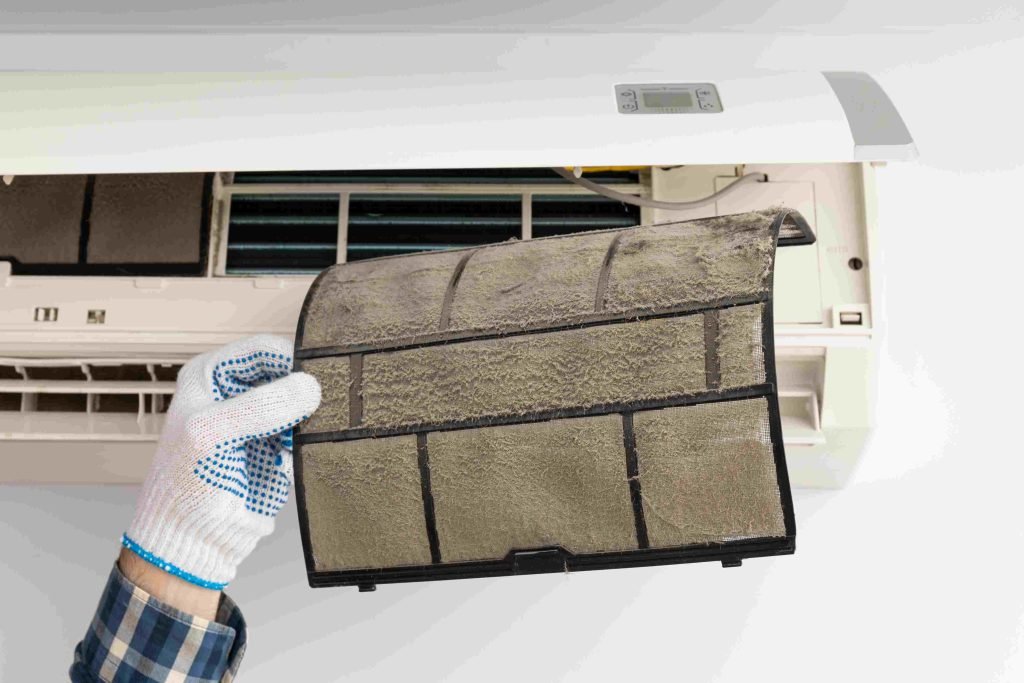
- Change or clean air filters monthly.
- Schedule professional HVAC system inspections and duct cleaning before winter.
- Consider an air conditioner for supplemental filtration and humidity control.
A well-maintained system improves air quality and can reduce energy costs. Healthy air and more money are beneficial for everyone. The Lung Association, The American Lung Association, or The American Lung Helpline might have additional tips about HVAC system maintenance.
2. Control Humidity Levels
Dry winter air irritates skin, eyes, and respiratory passages, causing coughing.
Excess humidity can lead to secondhand smoke. Aim for a balance:
- Use a hygrometer to monitor indoor humidity.
- Maintain humidity between 30-50%.
- Use a humidifier if necessary.
- Address excess moisture sources.
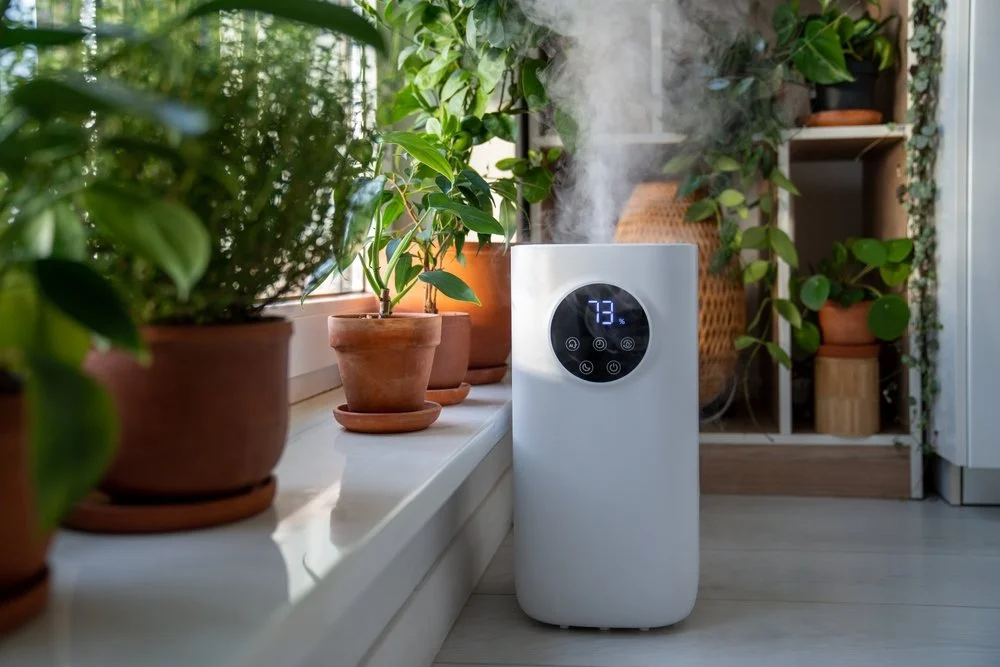
Proper humidity improves air quality and makes you feel warmer at lower temperatures, potentially saving you money.
3. Ventilate Smartly
Opening windows in winter is essential for air quality.
Ventilation is key for lung health, here are some helpful tips:
- Open windows for 5-10 minutes daily for cross-ventilation.
- Use exhaust fans to remove moisture and odors.
- Consider a heat recovery ventilator (HRV) for fresh air without heat loss.
4. Reduce Indoor Pollutant Sources
Minimize pollutants to improve indoor air quality. Keep in mind the key findings about how health effects change with differing pollutant levels.
- Use low-VOC products.
- Avoid smoking inside.
- Groom pets to reduce dander.
- Use doormats.
- Regularly clean and vacuum.
These steps reduce pollutants and maintain cleaner air.
5. Invest in Air Purifiers
Air purifiers greatly help improve indoor air quality.
- Choose a HEPA filter purifier.
- Consider models with activated carbon filters.
- Size the purifier appropriately.
- Place purifiers strategically.
Air purifiers can significantly reduce airborne pollutants like dust mites and provide cleaner air in high-traffic areas.
Natural Methods for Winter Indoor Air Quality Improvement
Beyond mechanical solutions, natural methods can enhance indoor air. Air filtration systems can benefit greatly from a focus on natural indoor air quality improvement techniques.
Embrace Indoor Plants
Some houseplants act as natural air purifiers. They filter pollutants such as carbon monoxide and enhance the indoor environment.
| Plant | Pollutants Removed |
|---|---|
| Spider Plant | Formaldehyde, Xylene |
| Peace Lily | Benzene, Trichloroethylene |
| Snake Plant | Nitrogen Oxides, Formaldehyde |
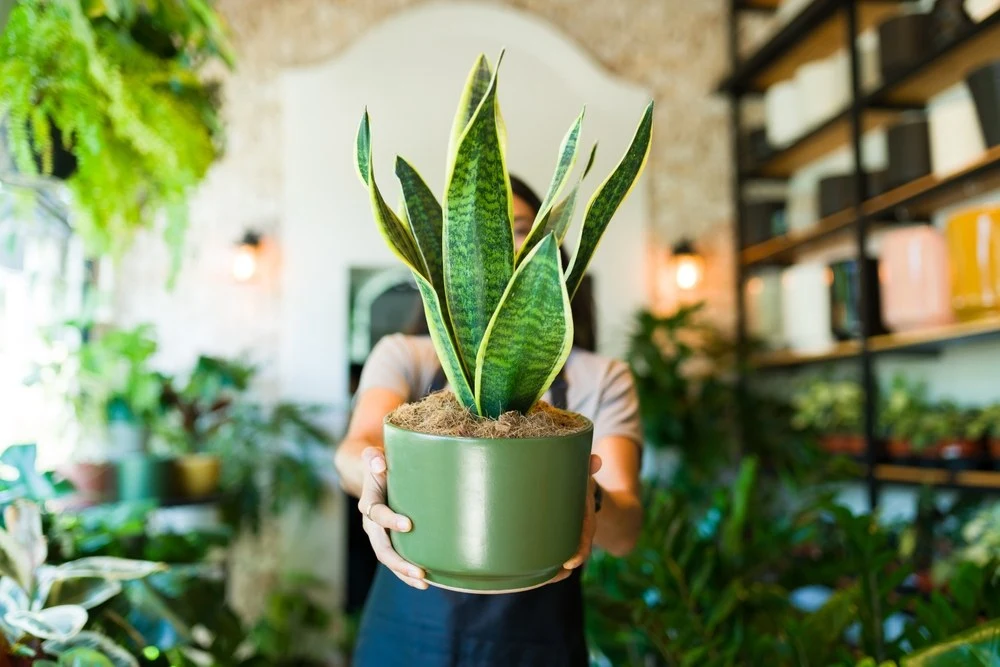
These plants improve air quality and add a touch of nature to your décor. Using plants for natural methods for indoor air quality improvement is something that is recommended by organizations such as the Lung Action Network.
Use Natural Air Fresheners
Instead of synthetic air fresheners, try natural options:
- Simmer cinnamon, cloves, and orange peels.
- Use essential oil diffusers.
- Place bowls of baking soda to absorb odors.
These freshen your home without harmful chemicals. You should consult your physician or medical expert before adding certain natural plants, or air fresheners, into the space if you suffer from ailments such as reduced lung function. Always keep safety at the top of your mind and prioritize it.
The Role of Monitoring in Air Quality Improvement
Monitor indoor air quality to improve it. Modern monitors track key factors to help give you a much better picture of what you’re dealing with. Using air quality monitors is critical to understanding any data relating to improving air quality and keeping yourself and your loved ones safe and healthy. Make sure you have a full understanding of these critical metrics by consulting with relevant organizations such as the Environmental Protection Agency (EPA).
Be sure to monitor:
- Particulate matter (PM2.5 and PM10).
- Volatile Organic Compounds (VOCs).
- Carbon dioxide levels.
- Temperature and humidity.
Monitoring helps identify issues and improve air quality. You may even consider a clinical trial if you meet certain criteria and standards.
Winter Indoor Air Quality Improvement for Specific Concerns
Here are specific solutions for various households:
For Allergy Sufferers
- Use allergen-proof bedding covers.
- Wash bedding weekly in hot water.
- Keep pets out of bedrooms.
- Use a HEPA air purifier. Tobacco cessation efforts will greatly increase air quality as well.
For Homes with Fireplaces
- Ensure proper ventilation and chimney cleaning. Consider attending an educational training that teaches more about timely education.
- Use dry, seasoned wood.
- Consider an EPA-certified wood stove.
For Homes in High-Pollution Areas
Improving indoor air quality during winter is especially important for homes in areas with high outdoor pollution levels. With homes sealed up to conserve heat, pollutants can accumulate indoors, impacting respiratory health. Here’s how to create a cleaner and healthier environment:
- Seal Gaps Around Windows and Doors – Prevent outdoor pollutants from seeping inside by using weather stripping and caulking to seal air leaks.
- Use Multi-Stage Air Purifiers – Invest in HEPA air purifiers with activated carbon filters to trap fine particulates, smoke, and harmful VOCs.
- Monitor Outdoor Air Quality – Check local air quality reports and avoid opening windows on high-pollution days. Instead, use mechanical ventilation with high-efficiency filters.
- Improve Ventilation Strategically – Use energy recovery ventilators (ERVs) or heat recovery ventilators (HRVs) to maintain fresh airflow without losing heat.
- Reduce Indoor Pollutants – Avoid burning candles, using harsh chemical cleaners, and smoking indoors. Consider switching to non-toxic household products.
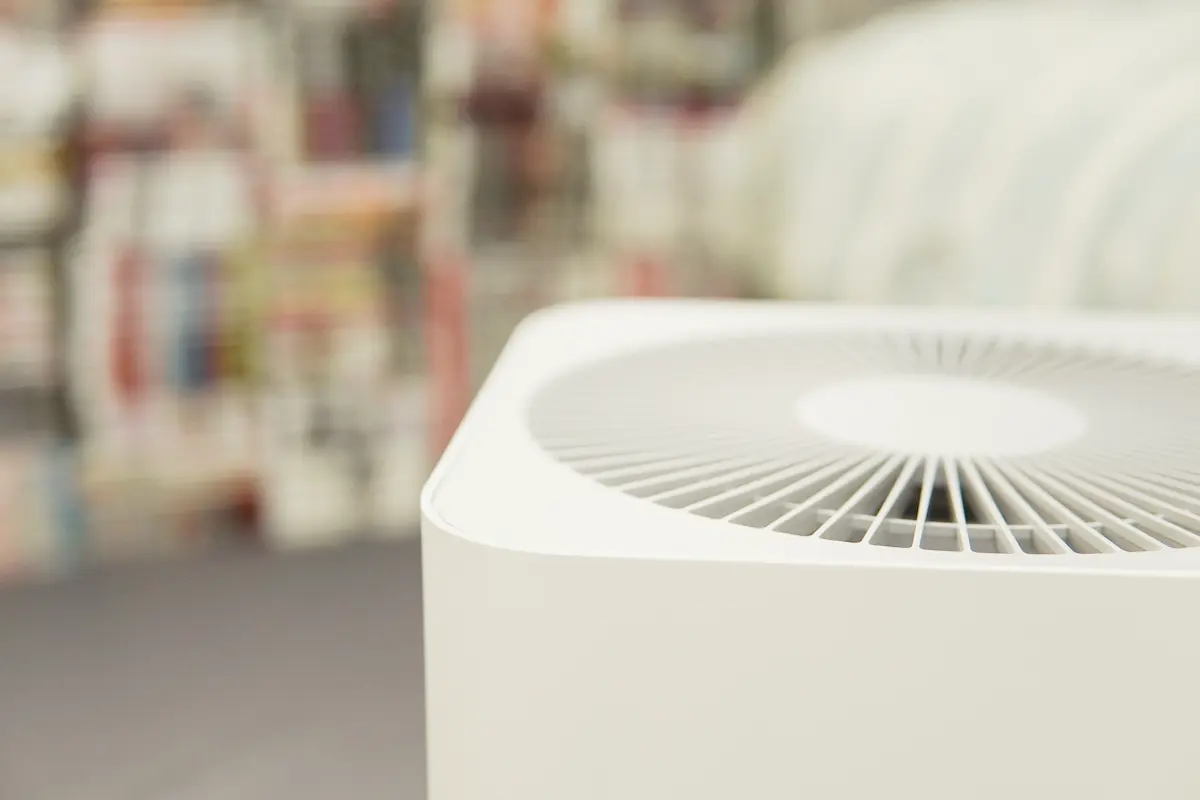
By tailoring these strategies to your specific environment, you can significantly improve indoor air quality and create a healthier home during the winter months.
Conclusion
Winter indoor air quality improvement creates a healthy, comfortable home. Using maintenance, ventilation, and purification methods enhances the air you breathe. Good indoor air quality is an ongoing process.
Regular attention improves health, sleep, and comfort all winter. As you relax this winter, breathe deeply knowing you’re breathing cleaner air. Your lungs and your family will thank you.
Contact us today for more information or to schedule a free consultation.