
Table of Contents
You should upgrade a thermostat when it’s more than 10 years old, your energy bills are rising, your home has uneven temperatures, you want smart features, or your current thermostat is broken.
A new thermostat can save you money, make your home more comfortable, and give you better control over your heating and cooling. Most homeowners should consider upgrading their thermostats every 10 years to take advantage of new technology and energy-saving features.
5 Signs It’s Time to Upgrade a Thermostat
Knowing when to upgrade a thermostat can save you money and make your home more comfortable. Here are five clear signs that it’s time for a new thermostat:
1. Your Thermostat is Over 10 Years Old
Just like other home devices, thermostats have a lifespan. If your thermostat is more than 10 years old, it’s probably time to think about an upgrade. Older thermostats use outdated technology that isn’t as accurate or efficient as newer models.
Newer thermostats are much better at keeping your home at the right temperature. They can help your heating and cooling system work better, which saves energy. Think of it like using an old flip phone versus a new smartphone – the new one just does more things better!
2. Your Energy Bills Are Increasing
Have you noticed your energy bills going up even though you haven’t changed how you use your heating or cooling? This could be a sign that your thermostat isn’t working right.
An old or faulty thermostat might not read temperatures correctly. It might turn your system on when it doesn’t need to, or keep it running too long. This wastes energy and costs you extra money every month. Upgrading to a new, more accurate thermostat can help lower those bills.
3. Your Home Has Uneven Temperatures
Do some rooms in your house feel too hot while others are too cold? This problem might be caused by your thermostat. When a thermostat can’t keep a steady temperature, different parts of your home can feel very different.
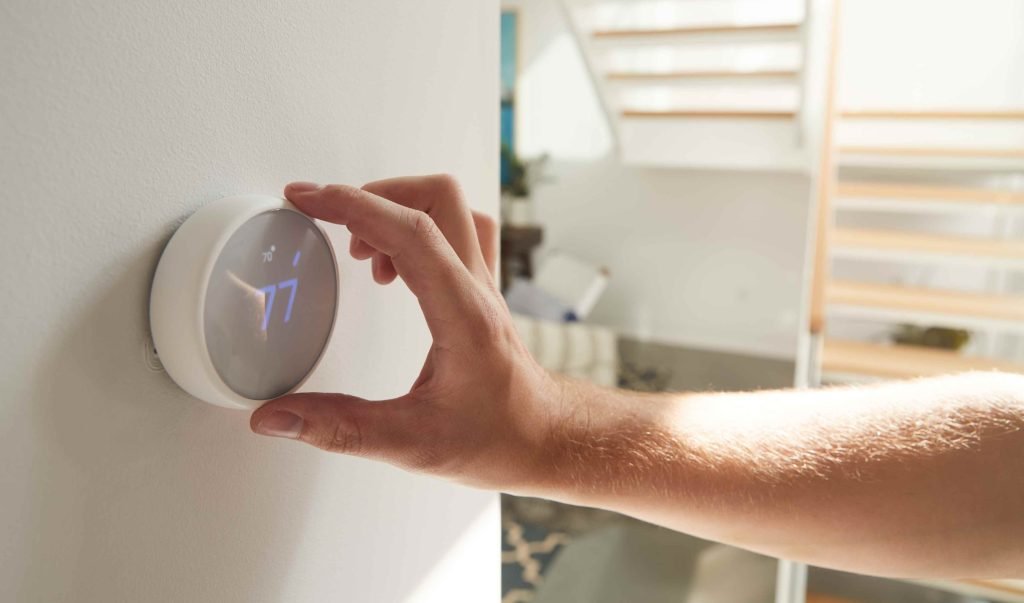
New thermostats are better at keeping the temperature even throughout your home. Some smart thermostats can even work with temperature sensors in different rooms to make sure every part of your house is comfortable.
4. You Want Smart Features and Remote Control
One of the best reasons to upgrade a thermostat is to get cool new features. Smart thermostats let you control your home’s temperature from your phone, even when you’re not home. Imagine turning up the heat on your way home from work so your house is cozy when you arrive!
Smart thermostats can also learn your schedule and adjust temperatures automatically. Some can tell when you’ve left the house and save energy while you’re gone. These features make your life easier and can save you money, too.
5. Your Current Thermostat is Broken or Unreliable
If your thermostat gives wrong temperature readings, has a blank display, or your heating and cooling system doesn’t respond to changes you make, it’s definitely time for an upgrade.
These problems mean your thermostat isn’t doing its job properly. Instead of dealing with an unreliable thermostat, upgrading to a new one will give you better control and peace of mind.
Benefits of Upgrading Your Thermostat
Knowing when to upgrade a thermostat is important, but understanding the benefits can help you make the decision. Here’s what you can gain from a thermostat upgrade:
Energy Savings
One of the biggest benefits of a new thermostat is saving money on energy bills. The U.S. Department of Energy says you can save up to 10% a year on heating and cooling by turning your thermostat back 7-10 degrees for 8 hours a day from its normal setting.
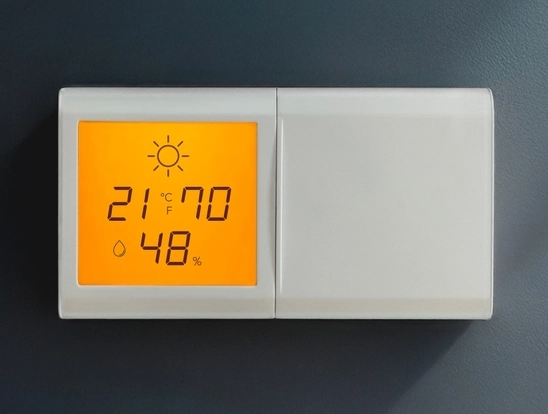
Programmable and smart thermostats make this easy by automatically adjusting temperatures based on your schedule. They can lower the temperature when you’re sleeping or away from home, then raise it before you wake up or return. This happens automatically, so you save money without even thinking about it.
Improved Comfort
New thermostats are much better at keeping your home at just the right temperature. They have more accurate sensors and better controls than older models.
Smart thermostats can even learn what temperatures you prefer at different times of day. Some can adjust based on humidity levels or outside weather. All this means your home stays more comfortable with less effort from you.
Convenience and Control
Modern thermostats are much easier to use than older dial or button models. They have clear digital displays and simple controls. Smart thermostats take this even further with phone apps that let you control your home’s temperature from anywhere.
Imagine being able to turn up the heat while you’re still in bed on a cold morning, or cooling your house down before you get home on a hot day. These conveniences make your life easier and more comfortable.
Home Value Increase
Upgrading to a programmable or smart thermostat can make your home more attractive to buyers if you decide to sell. Energy-efficient features are increasingly important to home buyers, and a modern thermostat is an affordable upgrade that can help your home stand out.
According to Energy.gov, energy-efficient homes are more desirable in today’s market. A new thermostat is a visible sign that your home is modern and efficient.
Types of Thermostats to Consider
When you decide it’s time to upgrade a thermostat, you’ll need to choose from several types. Here are the main options to consider:
Manual Thermostats
These are the simplest and least expensive thermostats. You adjust the temperature by turning a dial or pushing buttons. While they’re easy to use, they don’t offer any automatic features or programming options.
Manual thermostats are becoming less common as more people choose programmable options. They’re still available if you want something very simple, but they don’t offer the energy-saving benefits of more advanced models.
Programmable Thermostats
These thermostats let you set temperature schedules for different times of day and different days of the week. You can program them to lower the temperature when you’re at work or sleeping, then raise it before you wake up or come home.
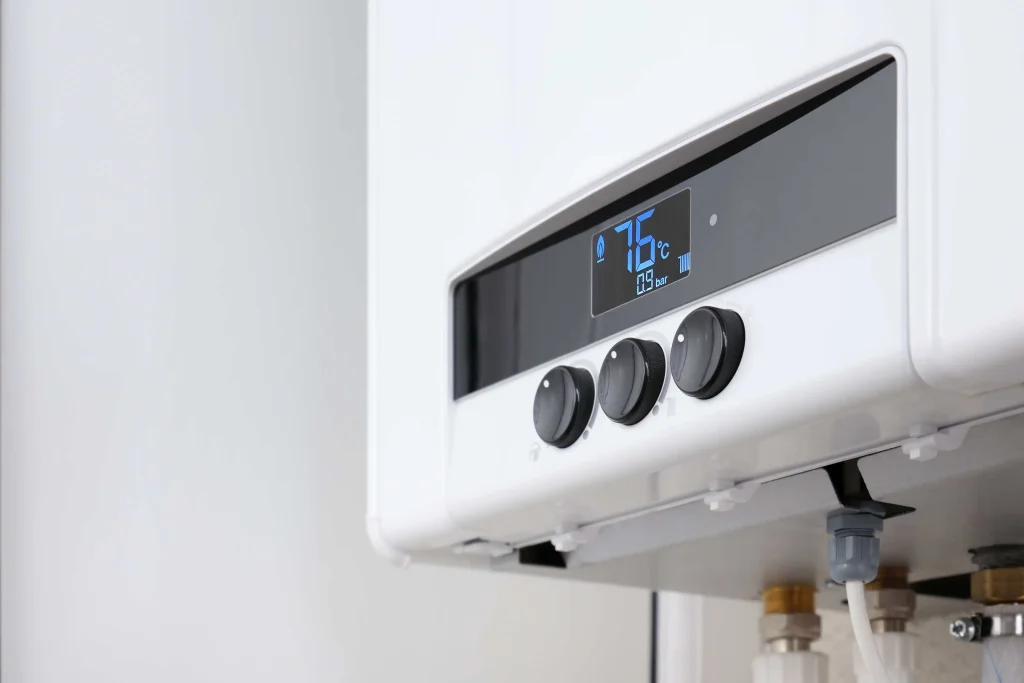
Programmable thermostats typically cost between $25 and $150. They can save energy and money compared to manual thermostats, but you need to take the time to program them correctly.
Smart Thermostats
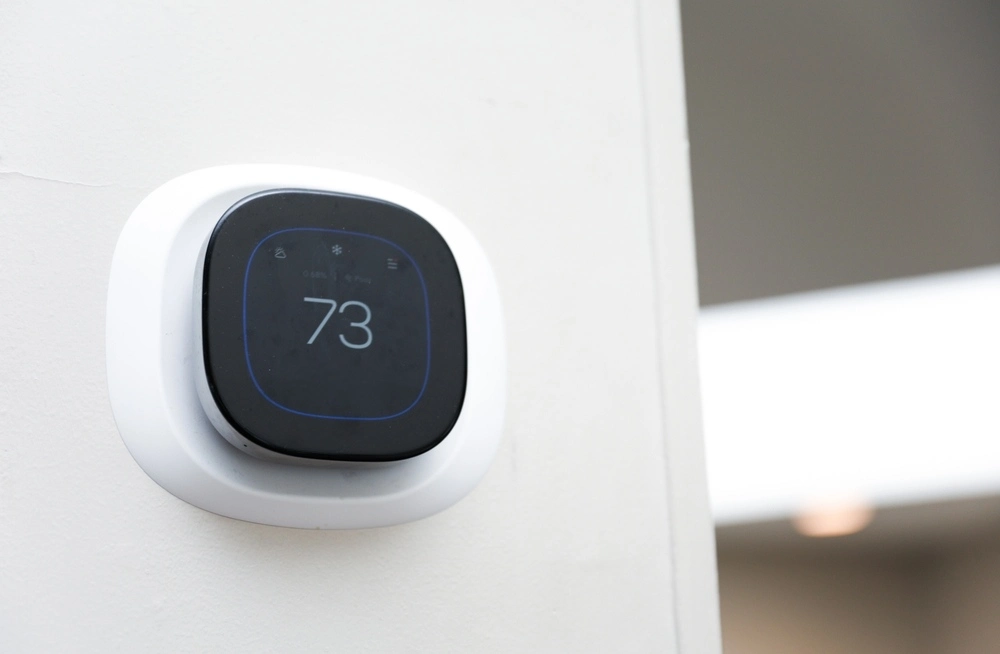
Smart thermostats are the most advanced option. They connect to your home’s Wi-Fi network and can be controlled from your smartphone or computer. Many can learn your schedule and preferences over time and adjust automatically.
Popular brands include Nest, Ecobee, and Honeywell Home. These thermostats typically cost between $100 and $300 but can save enough energy to pay for themselves within a year or two. According to ENERGY STAR, smart thermostats can save an average of 8% on heating and cooling bills.
Wi-Fi Thermostats
These are similar to smart thermostats but with fewer “learning” features. They connect to your home’s internet and allow remote control through apps, but they don’t necessarily learn your habits or adjust automatically.
Wi-Fi thermostats are a good middle ground between basic programmable models and full smart thermostats. They offer remote control convenience at a lower price than some smart models.
Installation: DIY or Professional?
Once you’ve decided when to upgrade a thermostat and chosen a new model, you need to decide who will install it. Here are your options:
DIY Installation
Many homeowners can install a basic thermostat themselves. Most new thermostats come with clear instructions, and the process usually involves:
- Turning off power to your heating and cooling system
- Removing the old thermostat
- Connecting the wires to the new thermostat
- Mounting the new thermostat on the wall
- Turning the power back on and testing the system
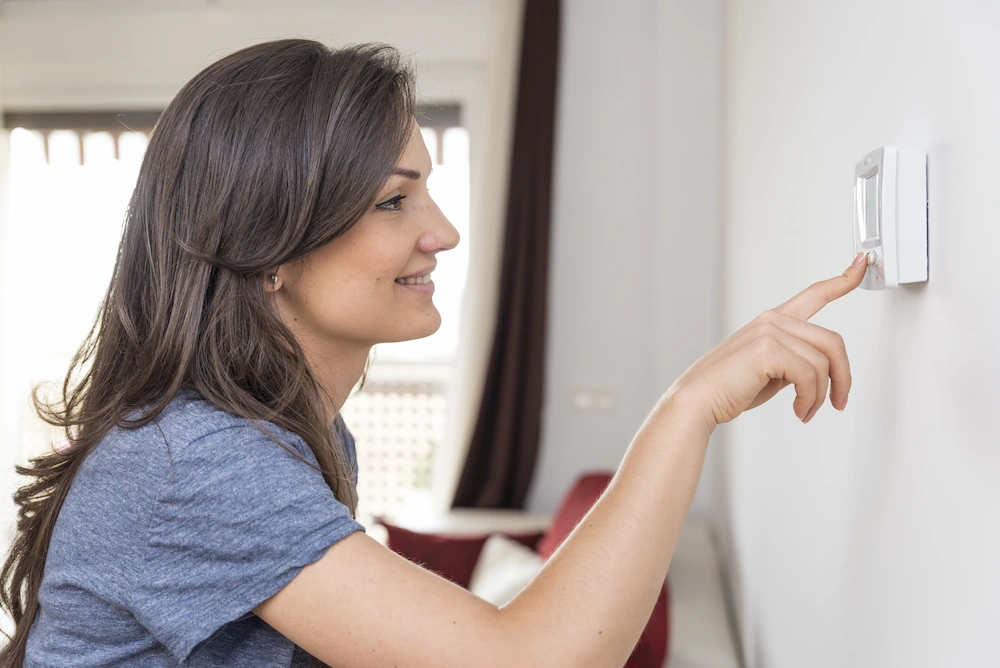
If you’re comfortable with basic home projects and your system is fairly standard, DIY installation can save you $100-$200 in professional installation costs.
When to Call a Professional
There are several situations where professional installation is recommended:
- If your system is complex (like multi-zone heating/cooling)
- If you have a high-voltage system
- If your wiring doesn’t match the labels on your new thermostat
- If you’re not comfortable working with electrical wiring
- If you want to relocate your thermostat to a different wall
Professional installation typically costs between $100 and $300, depending on your location and the complexity of your system. The technician can also verify that your new thermostat is compatible with your HVAC system and set up any special features.
Installation Tips
Whether you install your thermostat yourself or hire a professional, keep these tips in mind:
Take a photo of your old thermostat’s wiring before disconnecting anything. This can be very helpful if you need to reference the original setup.
Consider the location of your thermostat. It should be on an interior wall, away from direct sunlight, drafts, doorways, and windows. The ideal height is about 5 feet from the floor.
Save the instructions that come with your new thermostat. You might need them later for troubleshooting or to adjust settings.
Cost Considerations for Thermostat Upgrades
Understanding the costs involved can help you decide when to upgrade a thermostat. Here’s what to consider:
Initial Purchase Costs
The price of a new thermostat varies widely based on the type:
- Manual thermostats: $15-$50
- Basic programmable thermostats: $25-$100
- Wi-Fi thermostats: $100-$200
- Smart thermostats: $150-$300+
More expensive models generally offer more features, better displays, and more programming options. The most advanced smart thermostats can learn your preferences, detect when you’re home, and even integrate with other smart home devices.
Installation Costs
As mentioned earlier, professional installation typically costs $100-$300. This might be worth it for peace of mind and to ensure everything is set up correctly.
Some utility companies and thermostat manufacturers offer free or discounted professional installation with the purchase of certain energy-efficient models. Check with your local utility company to see if they have any special offers.
Long-Term Savings
While upgrading a thermostat requires an upfront investment, the long-term savings can be significant:
- A programmable thermostat can save about $180 per year on energy costs
- Smart thermostats can save even more, with some users reporting 10-15% reductions in heating and cooling costs
- Many smart thermostats provide energy usage reports to help you find additional ways to save
Most new thermostats will pay for themselves within 1-2 years through energy savings. After that, the savings continue for the life of the thermostat.
Rebates and Incentives
Many utility companies offer rebates for installing energy-efficient thermostats. These rebates can range from $25 to $100 or more, significantly reducing your net cost.
Some energy providers also have demand-response programs where you can earn credits on your bill by allowing your smart thermostat to make small temperature adjustments during peak energy demand times.
Frequently Asked Questions About Thermostat Upgrades
Here are answers to common questions about when to upgrade a thermostat:
How often should I upgrade my thermostat?
Most thermostats last 10-15 years before they need to be replaced. However, even if your thermostat is still working, you might want to upgrade sooner to take advantage of new energy-saving features. Technology changes quickly, and thermostats from even 5 years ago don’t have all the features of today’s models.
Will any thermostat work with my heating and cooling system?
No, not all thermostats are compatible with all systems. Before purchasing a new thermostat, check what type of HVAC system you have. Most thermostats work with conventional forced-air systems, but if you have baseboard heating, a heat pump, or a multi-stage system, you’ll need a thermostat specifically designed for that system.
Can a new thermostat really save me money?
Yes! According to the U.S. Department of Energy, you can save up to 10% a year on heating and cooling by using a programmable thermostat. Smart thermostats can save even more by learning your habits and optimizing your system’s performance.
Do I need Wi-Fi for a smart thermostat?
Yes, to use all the features of a smart thermostat, you need a reliable Wi-Fi connection. Without Wi-Fi, a smart thermostat will still function as a basic programmable thermostat, but you won’t be able to control it remotely or use its learning features.
Can I install a new thermostat myself?
Many homeowners can install basic thermostats themselves. However, if you have a complex system or aren’t comfortable working with wiring, it’s best to hire a professional. Incorrect installation can damage your HVAC system or cause the thermostat to work improperly.
What’s the difference between a programmable and a smart thermostat?
A programmable thermostat lets you set temperature schedules, but you have to program it manually. A smart thermostat can learn your preferences over time, adjust automatically based on whether you’re home, and be controlled remotely through a smartphone app. Smart thermostats also provide energy usage reports and can integrate with other smart home devices.
When is the best time of year to upgrade a thermostat?
The best time to upgrade a thermostat is during mild weather seasons (spring or fall) when you’re not heavily relying on heating or cooling. This gives you time to learn how to use your new thermostat before extreme weather hits. However, if your current thermostat is broken, don’t wait – replace it right away.
Ready to Upgrade Your Home’s Comfort?
Knowing when to upgrade a thermostat is the first step toward a more comfortable, energy-efficient home. Whether your current thermostat is outdated, unreliable, or you simply want more features, a new thermostat can make a big difference in your daily comfort and energy bills.
Today’s thermostats offer amazing features that weren’t available just a few years ago. From learning your schedule to letting you control your home’s temperature from anywhere, these devices do much more than just turn your system on and off.
If you’re ready to experience the benefits of a modern thermostat, contact Kay Plumbing, Heating & Cooling, Heating, and Cooling today to schedule a consultation. Our experts can help you choose the right thermostat for your home and ensure it’s installed correctly for maximum performance. Don’t wait until your old thermostat fails – upgrade now and start enjoying the comfort and savings right away!