
Table of Contents
Hydro jetting and drain cleaners are two popular methods for clearing clogged drains, but they work very differently. Hydro jetting uses high-pressure water to blast away clogs and buildup inside pipes, while drain cleaners use chemicals to dissolve blockages. For most serious or recurring clogs, hydro jetting is more effective and safer for your pipes than drain cleaners. Chemical drain cleaners can damage pipes over time and often only partially clear blockages, while hydro jetting provides a thorough cleaning that prevents future clogs.
When facing a stubborn drain clog, knowing which solution to choose can save you time, money, and prevent damage to your plumbing system. Let’s explore both options in detail so you can make the best choice for your specific situation.
What Is Hydro Jetting?
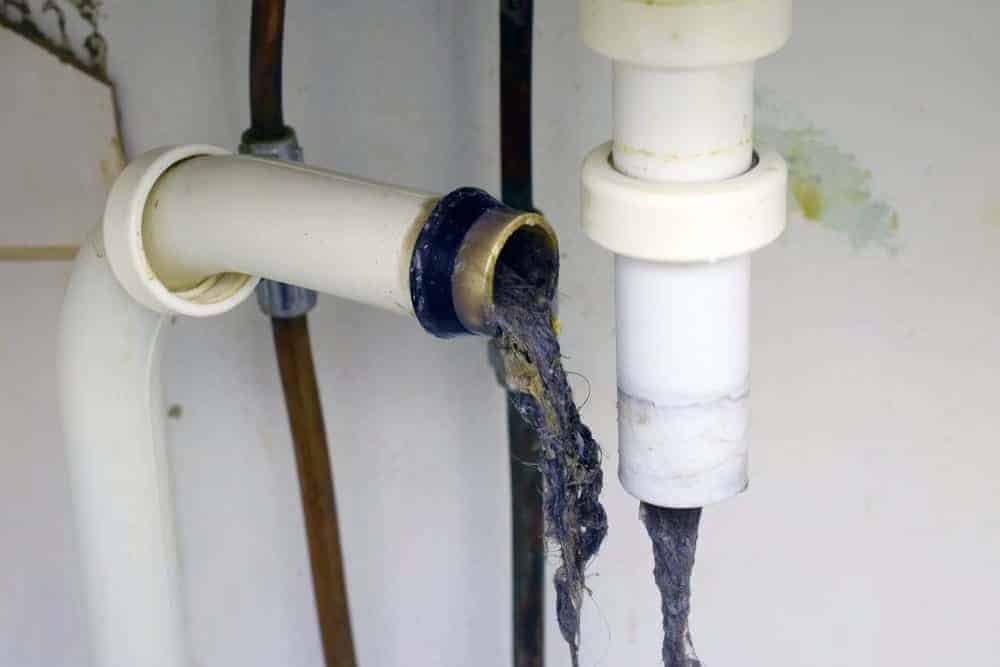
Hydro jetting is a professional plumbing technique that uses highly pressurized water to clear blockages and clean the inside of pipes. Think of it as a power washer for your plumbing system. A plumber inserts a special hose with a nozzle into your pipes, and water shoots out at pressures between 1,500 and 4,000 PSI (pounds per square inch).
The powerful water stream can break up and flush away almost any type of clog, including:
- Grease buildup
- Food waste
- Hair clogs
- Soap scum
- Tree roots
- Mineral deposits
Unlike other methods that might just punch a hole through a clog, hydro jetting cleans the entire pipe interior. This thorough cleaning helps prevent future blockages from forming quickly.
How Hydro Jetting Works
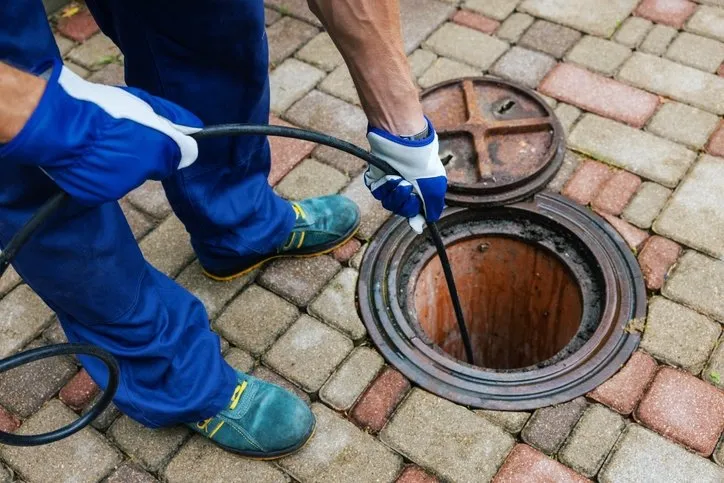
The hydro jetting process is straightforward but requires professional equipment and training:
1. A plumber first inspects your pipes using a camera to identify the location and type of blockage.
2. They select the appropriate nozzle for your specific clog.
3. The hose is inserted into your plumbing system through an access point.
4. Pressurized water blasts through the pipes, breaking up clogs and scouring pipe walls.
5. All debris is flushed out of the system.
The entire process typically takes 1-2 hours, depending on the severity of the clog and the size of your plumbing system.
What Are Drain Cleaners?
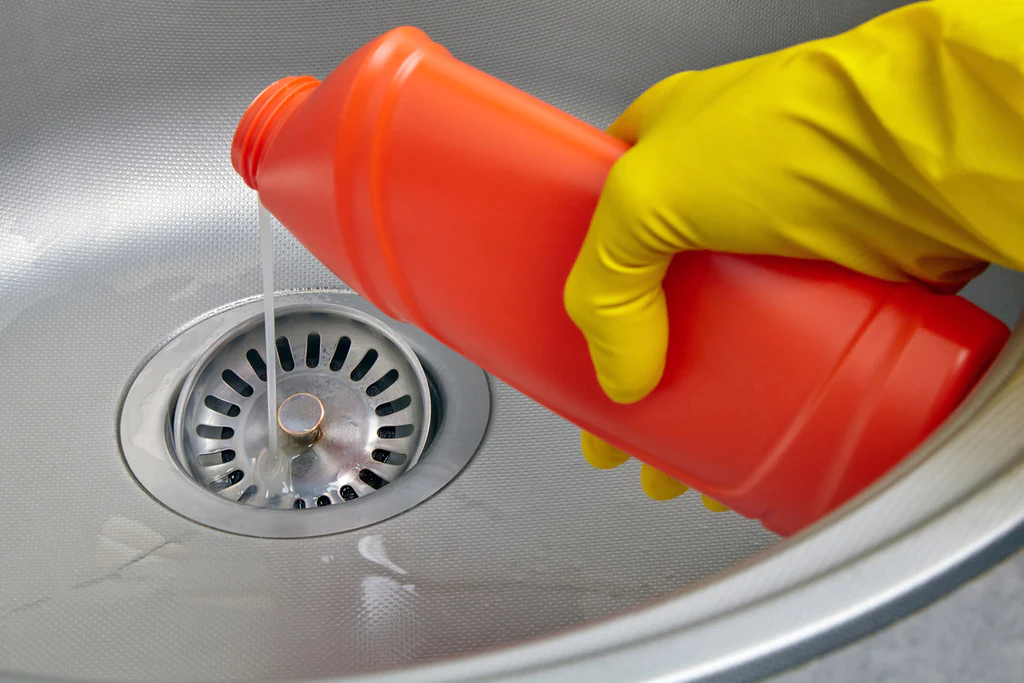
Drain cleaners are chemical solutions designed to dissolve or break down clogs in drains. They come in liquid, gel, powder, or foam forms and are readily available at most grocery and hardware stores. These products work through chemical reactions that generate heat to break down blockages.
There are three main types of chemical drain cleaners:
Caustic Drain Cleaners
These contain ingredients like lye (sodium hydroxide) or potash (potassium hydroxide). They give electrons to the clog material, creating a reaction that generates heat and turns grease into soap-like substances that dissolve in water.
Oxidizing Drain Cleaners
These contain chemicals like bleach, peroxides, or nitrates that cause organic materials to lose electrons and break down. They’re often used for clogs involving hair and food waste.
Acid Drain Cleaners
The strongest type, containing sulfuric or hydrochloric acid. These are typically only available to professionals due to their extremely corrosive nature.
Drain cleaners are simple to use – you just pour them down the drain and wait for the specified time (usually 15-30 minutes) before flushing with water.
Comparing Effectiveness: Hydro Jetting vs Drain Cleaners
When it comes to clearing clogs, both methods can work, but their effectiveness varies greatly depending on the situation.
Types of Clogs Each Method Handles Best
Hydro Jetting Works Best For:
- Severe or complete blockages
- Tree root intrusions
- Grease buildup in kitchen drains
- Recurring clogs
- Sewer line blockages
- Mineral scale buildup
Drain Cleaners Work Best For:
- Minor, recent clogs
- Slow-draining sinks
- Simple hair clogs in bathroom drains
- Small amounts of soap scum
Long-Term Results
Hydro jetting provides much better long-term results than drain cleaners. By thoroughly cleaning the entire pipe interior, hydro jetting removes not just the clog but also the buildup on pipe walls that can lead to future blockages. Many homeowners find they need hydro jetting service only once every few years for maintenance.
Drain cleaners, on the other hand, often provide only temporary relief. They might clear enough of a clog to restore water flow, but they rarely remove all the buildup inside the pipes. This means clogs are likely to return more quickly, sometimes within weeks or months.
Safety Considerations: Pipe Health and Personal Safety
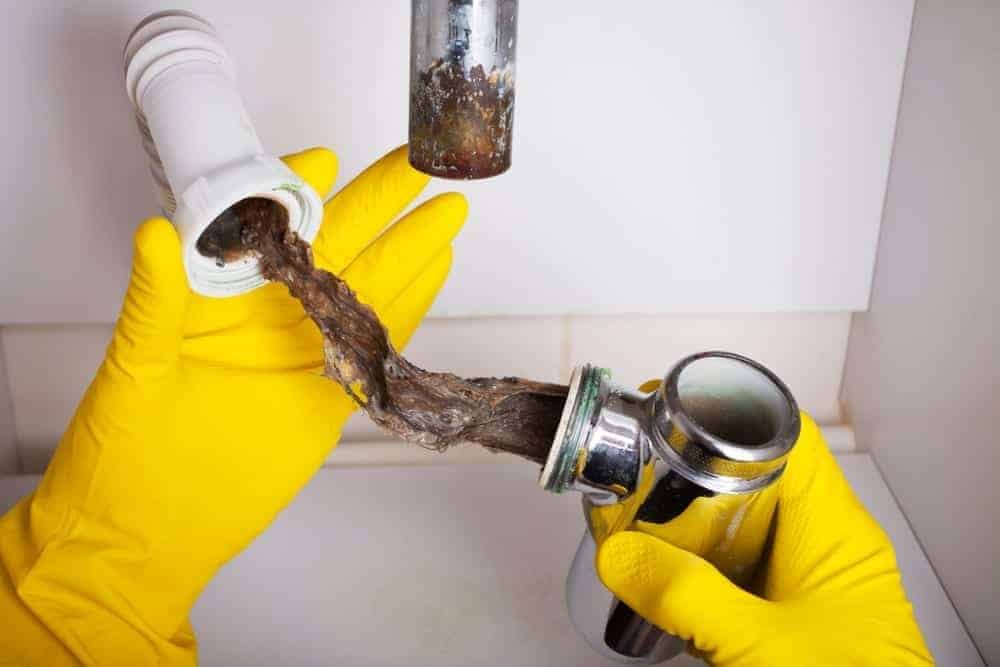
When choosing between hydro jetting and drain cleaners, safety should be a top concern – both for your pipes and for yourself.
Impact on Pipes
Hydro Jetting:
When performed by professionals, hydro jetting is safe for most modern plumbing systems. The water pressure is adjusted based on the pipe material and condition. However, it’s not recommended for very old, fragile pipes or pipes with known damage.
Drain Cleaners:
Chemical drain cleaners can be extremely harmful to your plumbing system. The heat generated by these chemicals can:
- Soften PVC pipes
- Corrode older metal pipes
- Damage pipe joints and connections
- Erode pipe walls over time with repeated use
Personal Safety Risks
Hydro Jetting:
Since hydro jetting is performed by professionals, there’s minimal risk to homeowners. The main safety concerns are for the plumbers themselves, who are trained to handle the equipment safely.
Drain Cleaners:
Chemical drain cleaners pose several safety hazards:
- Chemical burns to the skin and eyes
- Toxic fumes that can damage the lungs
- Risk of splashing when pouring
- Dangerous reactions if mixed with other cleaning products
- Poisoning risk for homes with children or pets
Always wear gloves and eye protection when using drain cleaners, and ensure good ventilation in the area.
Cost Comparison: Immediate and Long-Term Expenses
Cost is often a deciding factor when choosing between hydro jetting and drain cleaners.
Immediate Costs
Hydro Jetting:
Professional hydro jetting typically costs between $300 and $600, depending on:
- The severity and location of the clog
- The size of your plumbing system
- Your geographic location
- Whether camera inspection is included
Drain Cleaners:
Chemical drain cleaners are much cheaper upfront, usually costing between $5 and $20 per bottle.
Long-Term Costs
While drain cleaners seem more affordable initially, the long-term costs tell a different story:
Hydro Jetting:
Though more expensive upfront, hydro jetting often provides better value over time because:
- Clogs are less likely to return quickly
- Pipe damage is minimal, reducing repair costs
- Preventive maintenance can extend the life of your plumbing system
Drain Cleaners:
The true cost of drain cleaners adds up over time:
- Repeated purchases as clogs return
- Potential pipe repair or replacement costs due to chemical damage
- Eventually needing professional help for clogs that chemicals can’t fix
When to Choose Each Method
Both hydro jetting and drain cleaners have their place in home maintenance. Here’s when to consider each option:
When to Use Hydro Jetting
Consider hydro jetting when:
- You have recurring clogs that keep coming back
- Multiple drains in your home are backing up
- You hear gurgling sounds from drains
- There are foul odors coming from the drains
- Your home is older and hasn’t had its pipes cleaned in years
- You want preventive maintenance to avoid future clogs
When to Try Drain Cleaners
Drain cleaners might be appropriate when:
- You’re dealing with a minor, first-time clog
- Only one drain is affected
- The drain is just starting to slow down (not completely blocked)
- You need a temporary solution until a plumber can visit
- Your pipes are newer and in good condition
When to Skip Both and Call a Plumber Immediately
Some situations require immediate professional attention:
- Multiple drains are backing up simultaneously
- Sewage backing up into tubs or showers
- Water damage appearing on walls or ceilings
- Very old pipes (pre-1970s) that might be damaged
Frequently Asked Questions About Hydro Jetting and Drain Cleaners
How often should I have my drains hydro-jetted?
For preventive maintenance, most homes benefit from hydro jetting every 18-24 months. Homes with many trees near sewer lines or a history of frequent clogs might need it annually. Restaurants and businesses that deal with grease often schedule quarterly hydro jetting.
Can hydro jetting damage my pipes?
When performed by trained professionals, hydro jetting is safe for most modern plumbing systems. However, it’s not recommended for pipes that are already damaged, very old, or made of fragile materials. A professional plumber will inspect your pipes first to ensure they can withstand the pressure.
Are “natural” drain cleaners safer than chemical ones?
Enzymatic or bacterial drain cleaners (often marketed as “natural”) are generally safer for your pipes and the environment than harsh chemicals. However, they work much more slowly and are only effective on organic materials like food and hair. They won’t help with mineral buildup or serious blockages.
How long does hydro jetting take?
A typical hydro jetting service takes 1-2 hours for residential properties. This includes setup time, the actual jetting process, and cleanup. Larger properties or more severe blockages might take longer.
Can I rent hydro jetting equipment and do it myself?
While some equipment rental companies offer hydro jetters, DIY hydro jetting is not recommended. Professional-grade equipment is powerful enough to cause injury if mishandled. Additionally, without proper training and pipe inspection equipment, you risk damaging your plumbing system.
Is it safe to use drain cleaners in a garbage disposal?
Most manufacturers advise against using chemical drain cleaners in garbage disposals. The chemicals can damage the disposal’s components and create dangerous splashing when the disposal is turned on. Instead, try using ice cubes and citrus peels to clean disposal blades, or call a plumber for proper cleaning.
Making the Right Choice for Your Plumbing Needs
When deciding between hydro jetting and drain cleaners, consider the nature of your clog, the condition of your pipes, your budget, and your long-term plumbing goals.
For minor, occasional clogs in newer homes, drain cleaners used sparingly might be sufficient. However, for recurring problems, older homes, or complete blockages, hydro jetting provides a more thorough and lasting solution.
Remember that your plumbing system is a significant investment in your home. Taking care of it properly can prevent costly repairs and replacements down the road. When in doubt, consulting with a professional plumber can help you determine the best approach for your specific situation.
Ready to solve your drain problems once and for all? Contact Kay Plumbing, Heating & Cooling today to schedule a professional assessment of your plumbing system. Our experts can help you determine whether hydro jetting is right for your home and provide lasting solutions to keep your drains flowing freely for years to come.