
Table of Contents
Furnace pilot light issues typically occur due to dirty components, thermocouple problems, or drafts affecting the flame. When your furnace pilot light goes out, it prevents your heating system from working properly, leaving your home cold during the winter months.
The most common causes include a faulty thermocouple, a dirty pilot orifice, improper gas pressure, strong drafts near the furnace, or a malfunctioning gas valve. Understanding these issues can help you troubleshoot the problem and determine whether it’s a simple fix or if you need professional help.
Understanding How Furnace Pilot Lights Work
Before diving into why your furnace pilot light keeps going out, it’s helpful to understand how this small but mighty flame works in your heating system.
What Is a Pilot Light?
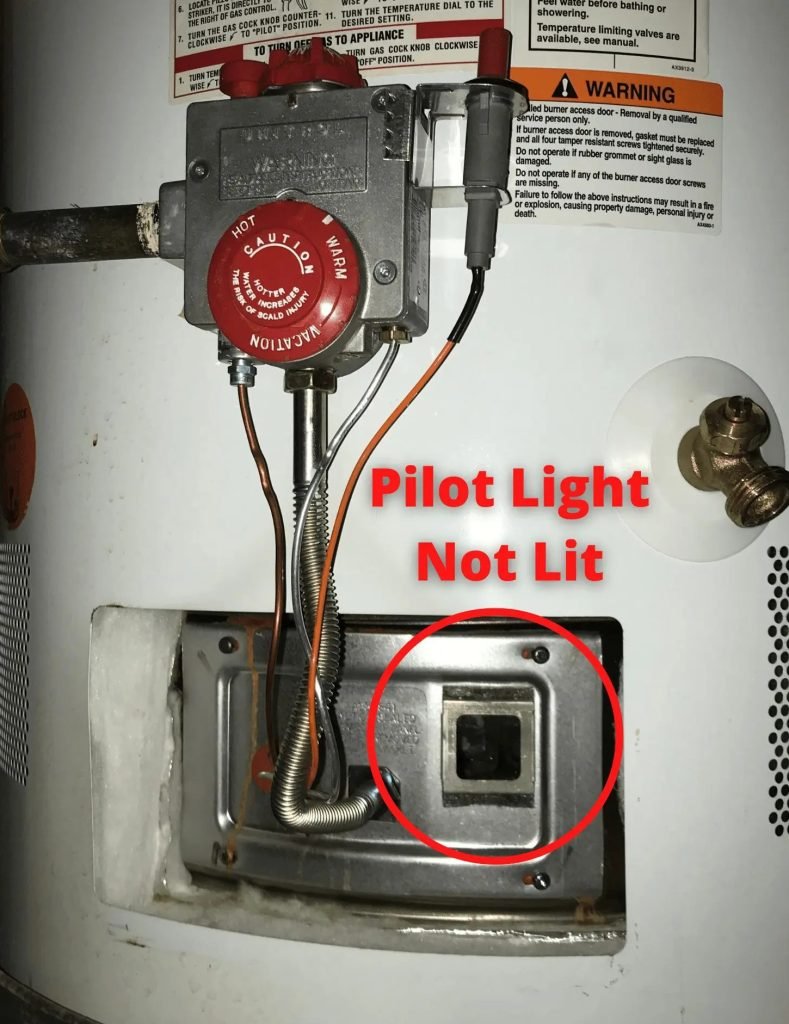
A pilot light is a small, continuously burning flame that ignites the main burner in older gas furnaces. Think of it as a match that’s always ready to light the bigger fire. This tiny blue flame stays lit all the time, waiting for the signal to ignite the main gas burner when your thermostat calls for heat.
The Role of the Thermocouple
The thermocouple is a safety device that sits next to the pilot light. It’s like a special thermometer that can tell if the pilot light is on. When the pilot flame heats the thermocouple, it generates a small electrical current that keeps the gas valve open. If the pilot light goes out, the thermocouple cools down and stops the electrical current, which automatically shuts off the gas supply to prevent dangerous gas leaks.
Modern Furnaces vs. Standing Pilot Systems
Many newer furnaces don’t have traditional pilot lights anymore. Instead, they use electronic ignition systems that only turn on when heat is needed. These systems are more energy-efficient because they don’t waste gas keeping a pilot light burning all the time.
If your home has a furnace built before the early 2000s, it likely has a standing pilot light. These older systems are more prone to pilot light issues, but are also simpler to troubleshoot and fix in many cases.
Common Causes of Furnace Pilot Light Issues
When your furnace pilot light won’t stay lit, several common culprits might be to blame. Let’s explore the most frequent causes of these frustrating furnace pilot light issues.
Dirty Pilot Orifice or Assembly
Over time, dust, dirt, and debris can clog the tiny opening (orifice) where gas flows to create the pilot flame. This buildup is like putting your thumb partially over a garden hose – it disrupts the proper flow of gas. When the gas can’t flow correctly, the pilot flame may become weak, yellow instead of blue, or go out completely.
Regular furnace maintenance helps prevent this problem. A professional can clean the pilot assembly and ensure proper gas flow to maintain a strong, steady flame.
Faulty Thermocouple
The thermocouple is often the number one suspect when furnace pilot light issues occur. This safety device can wear out or become coated with soot over time. When this happens, it might not sense the heat from the pilot flame correctly.
A bent, damaged, or dirty thermocouple may falsely signal that the pilot is out even when it’s lit. This causes the gas valve to shut off, extinguishing the pilot light. Thermocouples typically last 5-10 years before needing replacement, which is a relatively inexpensive repair.
Drafts Around the Furnace
Believe it or not, air movement around your furnace can blow out the pilot light. These drafts might come from:
- Nearby windows or doors
- Return air ducts
- Cracks in the furnace room walls
- Improper venting
The pilot flame is small and vulnerable to air currents. If your furnace is in a drafty basement, garage, or utility closet, consider addressing these air leaks to protect the flame.
Gas Supply Problems
Your pilot light needs the right amount of gas to stay lit. Too little gas pressure can create a weak flame that’s easily extinguished. This might happen if:
- The gas valve is partially closed
- There’s a problem with your home’s gas supply
- The gas line to the furnace is kinked or obstructed
- The gas regulator is malfunctioning
If other gas appliances in your home are also having problems, this could indicate a broader gas supply issue that requires professional attention.
Flex Tube Issues
The flex tube delivers gas from the valve to the pilot assembly. If this tube becomes crimped, cracked, or clogged, it can restrict gas flow to the pilot light. This small component can cause big problems when damaged.
Regular inspection of the flex tube during annual maintenance can catch potential issues before they lead to pilot light failures.
How to Safely Relight Your Pilot Light
When your furnace pilot light goes out, you might be able to relight it yourself. However, safety must always come first when dealing with gas appliances.
Safety Precautions Before Starting
Before attempting to relight your pilot light, take these important safety steps:
- Turn off the furnace completely and wait 5 minutes to allow any gas to dissipate
- Make sure the area around the furnace is well-ventilated
- Remove any flammable materials from near the furnace
- Have a flashlight handy to see what you’re doing
- If you smell a strong gas odor, stop immediately, leave the house, and call your gas company
Never attempt to light a pilot if you smell gas. This could cause an explosion or fire.
Step-by-Step Relighting Instructions
While specific instructions vary by furnace model, here’s a general guide to relighting a pilot light:
- Locate the pilot light assembly (usually behind a small access panel)
- Find the gas control knob, typically marked with “Off,” “Pilot,” and “On” positions
- Turn the knob to “Off” and wait 5 minutes
- Turn the knob to “Pilot”
- While holding down the reset button (or pressing in the knob), use a long lighter or match to ignite the pilot
- Continue holding the reset button for about 30-60 seconds after the pilot lights
- Release the button – the pilot should stay lit
- Turn the knob to “On”
- Replace any access panels and restore power to the furnace
If the pilot lights but goes out when you release the button, the thermocouple might not be sensing the flame properly. Try again, holding the button longer to give the thermocouple time to heat up.
When Relighting Attempts Fail
If you’ve tried to relight the pilot 2-3 times without success, it’s time to stop and consider other options. Continuing to attempt relighting could create a dangerous situation.
Persistent furnace pilot light issues often indicate a problem that needs professional attention. Rather than continuing to struggle with relighting attempts, it’s safer to call a qualified HVAC technician who has the tools and expertise to diagnose and fix the underlying problem.
When to Call a Professional for Pilot Light Problems
While some pilot light issues can be resolved with simple DIY solutions, others require professional help. Knowing when to call in the experts can save you time, frustration, and ensure your safety.
Signs of Serious Furnace Problems
Contact a professional immediately if you notice any of these warning signs:
- Yellow or orange pilot flame instead of blue (indicates incomplete combustion)
- Soot buildup around the furnace
- Strange odors, especially the smell of gas
- Popping or banging noises when the furnace attempts to ignite
- Pilot light that repeatedly goes out after relighting
- Signs of overheating, such as discoloration on the furnace exterior
These symptoms could indicate dangerous problems like gas leaks, carbon monoxide issues, or fire hazards that require immediate professional attention.
What to Expect from a Professional Service Call
When you call an HVAC technician for furnace pilot light issues, they’ll typically:
- Inspect the entire pilot assembly, including the thermocouple and gas supply
- Test gas pressure and flow to ensure proper levels
- Clean components that may be dirty or clogged
- Replace worn or damaged parts
- Check for drafts or ventilation problems
- Perform a safety check of the entire furnace
- Explain what caused the problem and how to prevent future issues
A professional service call usually takes 1-2 hours and costs between $75-$200, depending on your location and what repairs are needed. This investment helps ensure your furnace operates safely and efficiently.
The Cost of Ignoring Pilot Light Problems
Postponing professional help for persistent furnace pilot light issues can lead to:
- Higher utility bills from an inefficient heating system
- Complete furnace failure during cold weather
- More expensive repairs if small problems grow into major ones
- Potential safety hazards, including carbon monoxide poisoning
- Reduced furnace lifespan
What starts as a simple pilot light problem can develop into a costly emergency if ignored. Regular maintenance and prompt attention to pilot light issues can extend your furnace’s life and keep your home safely heated.
Preventing Future Pilot Light Outages
Taking proactive steps can help you avoid the inconvenience and potential danger of furnace pilot light issues in the future.
Regular Furnace Maintenance
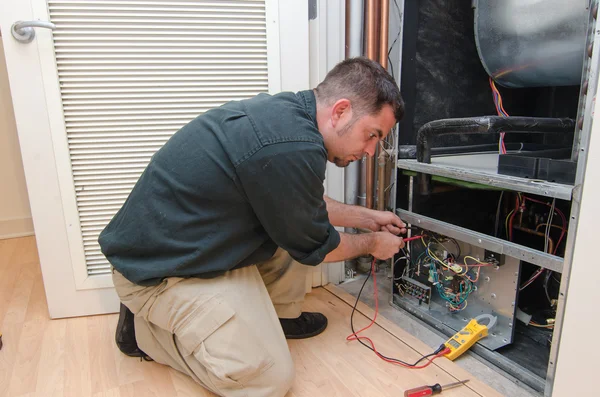
Annual professional maintenance is the best way to prevent pilot light problems. During a tune-up, a technician will:
- Clean the pilot assembly and orifice
- Inspect and test the thermocouple
- Check gas pressure and connections
- Clean or replace air filters
- Inspect the heat exchanger for cracks
- Test overall furnace operation
Scheduling this maintenance in early fall, before the heating season begins, ensures your furnace is ready when cold weather arrives. Many HVAC companies offer maintenance plans that include annual tune-ups at a discounted rate.
DIY Maintenance Tips
Between professional service visits, you can take these steps to help prevent pilot light problems:
- Change air filters every 1-3 months
- Keep the area around your furnace clean and free of dust
- Ensure nothing is stored too close to the furnace
- Check for drafts in the furnace room and seal any obvious air leaks
- Visually inspect the pilot light occasionally to ensure it’s burning blue
These simple actions take just minutes but can prevent many common furnace pilot light issues.
Consider Upgrading to a Modern Furnace
If you have an older furnace with chronic pilot light problems, it might be time to consider upgrading to a newer model. Modern furnaces offer several advantages:
- Electronic ignition systems that eliminate standing pilot lights
- Higher energy efficiency (up to 98% AFUE compared to 70-80% for older models)
- Better safety features
- More consistent heating
- Quieter operation
- Smart thermostat compatibility
While a new furnace represents a significant investment (typically $3,000-$7,500 installed), the energy savings and improved reliability can make it worthwhile, especially if your current furnace is over 15 years old.
Frequently Asked Questions About Furnace Pilot Lights
Is it dangerous if my pilot light keeps going out?
Yes, it can be dangerous because a malfunctioning furnace might fail to heat your home or even leak unburned gas. If the light won’t stay on after a few attempts, it’s safest to call a professional to prevent costly or hazardous issues.
How much does it cost to fix a pilot light?
Fixing a furnace pilot light typically ranges from $150 to $750 depending on the cause, like cleaning, replacing parts, or addressing deeper issues. Regular maintenance helps reduce these costs and keeps your system running smoothly.
Why does my pilot light go out when I release the button?
If the flame dies after releasing the reset button, the thermocouple is likely to blame—it may need more time to heat or be misaligned. Try holding the button longer, but if it fails, call a technician for a quick fix.
Can a dirty air filter cause pilot light problems?
Yes, a clogged air filter can reduce airflow and overheat your system, triggering safety shut-offs including the pilot. Replacing filters every 1–3 months helps prevent this issue and supports your furnace’s overall performance.
How can I tell if my thermocouple is bad?
A bad thermocouple usually shows up when the pilot won’t stay lit, or you see buildup or damage on the tip. If your furnace cycles on and off too often, it’s a good idea to have a pro test the thermocouple for you.
Should I leave my pilot light on during summer?
No, turning off the pilot light in summer helps lower gas use and energy bills, saving up to $100 annually. Just be sure to relight it properly before cold weather returns to avoid any delays in heating.
Keep Your Home Warm with Reliable Heating
Furnace pilot light issues can be frustrating, but understanding the common causes helps you address problems quickly. From dirty components to faulty thermocouples, most pilot light problems have straightforward solutions. Regular maintenance remains the best way to prevent these issues and ensure your heating system works reliably all winter long.
If you’re experiencing persistent pilot light problems or your furnace needs professional attention, don’t wait until you’re left in the cold. Our experienced technicians can diagnose and fix your furnace issues quickly, ensuring your home stays comfortable and safe.
Contact Kay Plumbing, Heating, and Cooling today to schedule a furnace inspection or repair service. Our team is ready to help with all your heating needs, from simple pilot light repairs to complete system maintenance. Don’t let furnace pilot light issues leave you shivering – call now for prompt, professional service that will keep your home warm all season long.