
Table of Contents
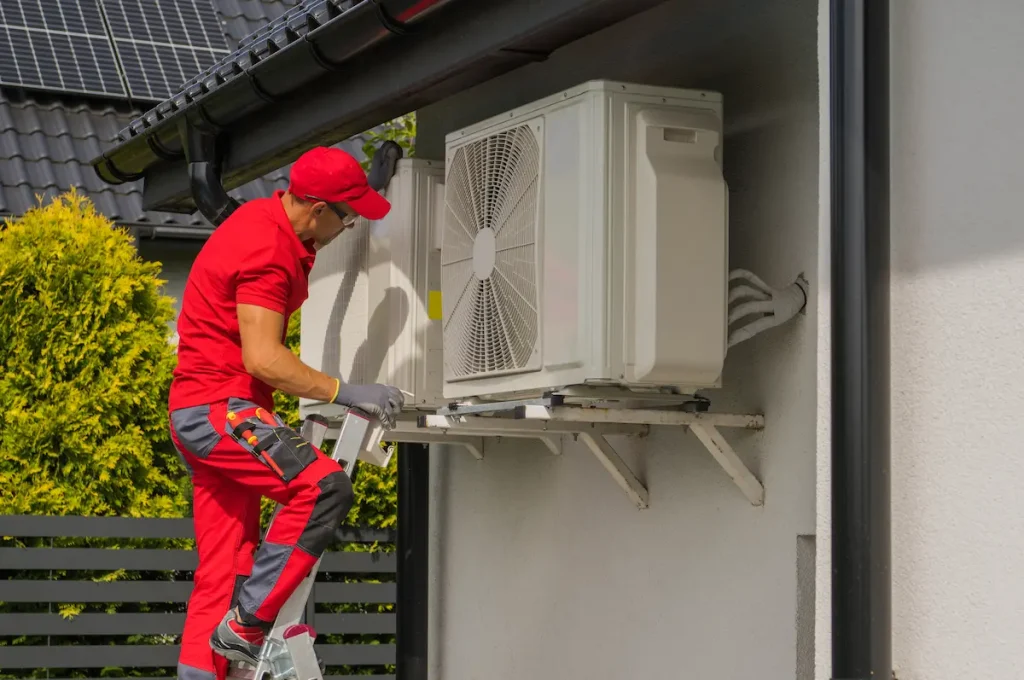
A ductless heat pump differs from a central HVAC system mainly in how it delivers air. Ductless systems (also called mini-splits) don’t need ductwork and can heat or cool specific zones in your home.
Central systems use ducts to distribute air throughout the entire house. Ductless heat pumps are typically more energy-efficient and easier to install, while central systems provide whole-home comfort and can be less visible.
Your best choice depends on your home’s layout, budget, and comfort needs. Let’s explore the ductless heat pump vs central debate!
The Basics: Ductless Heat Pump vs Central Systems
Ductless heat pumps and central HVAC systems work differently to heat and cool your home. Understanding these differences helps you make a smart choice for your comfort needs.
How Ductless Heat Pumps Work
A ductless heat pump (mini-split) has two main parts: an outdoor unit and one or more indoor air handlers. The outdoor unit contains the compressor and condenser. The indoor units are mounted on walls or ceilings in different rooms.
These systems don’t need ducts. Instead, a small hole in the wall connects the indoor and outdoor units with refrigerant lines, power cables, and a drain line. The system moves heat between indoors and outdoors, providing both heating and cooling.
Each indoor unit creates a separate “zone” that you can control independently. This means you can set different temperatures in different rooms.
How Central HVAC Systems Work
Central heating and cooling systems use a network of ducts to move air throughout your home. The main unit (either a furnace/AC combo or a heat pump) connects to these ducts.
When running, the system pulls air from your home through return vents. It then heats or cools this air and pushes it back through supply vents in each room.
Central systems typically have one thermostat that controls the temperature for your entire home. Some newer systems offer zone control, but this requires special dampers in the ductwork. When considering ductless heat pump vs central, you need to keep in mind not only your cooling needs but also your home’s layout and other factors.
Key Differences at a Glance
- Ductwork: Ductless systems don’t need ducts; central systems require a duct network
- Zoning: Ductless naturally provides room-by-room control; central typically heats/cools the whole house
- Installation: Ductless needs just a small hole in the wall; central requires extensive ductwork
- Visibility: Ductless units are visible in rooms; central systems are mostly hidden except for vents
- Heating method: Both can use heat pump technology, but central might also use gas furnaces
Pros and Cons Comparison
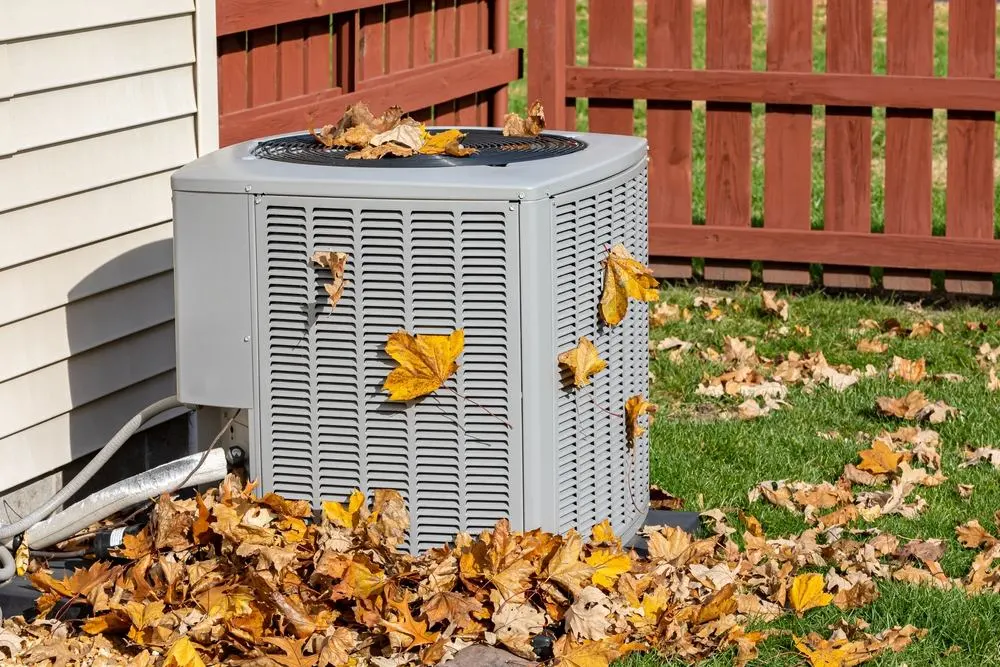
Let’s look at the good and bad points of ductless heat pumps vs central systems to help you decide.
Ductless Heat Pump Advantages
- Energy efficiency: Ductless systems avoid the 25-30% energy loss that happens in ductwork. This makes them very efficient.
- Zone control: You can heat or cool only the rooms you’re using, saving more energy.
- Easy installation: No need to tear into walls to install ducts. Most installations take just 1-2 days.
- Flexibility: Great for home additions, converted spaces, or older homes without ducts.
- Quiet operation: Indoor units run very quietly compared to forced-air systems.
Ductless Heat Pump Disadvantages
- Upfront cost: Higher initial investment than some central systems.
- Aesthetics: Indoor units are visible on walls or ceilings.
- Multiple units needed: Larger homes may need several indoor units.
- Regular maintenance: Filters in each indoor unit need cleaning.
- Cold weather limitations: Some models lose efficiency in extremely cold climates.
Central HVAC Advantages
- Whole-home comfort: Heats and cools your entire house evenly.
- Hidden components: Only vents are visible in the living spaces.
- Single thermostat: Simple control of your entire home.
- Established technology: Contractors are very familiar with installation and repairs.
- Air filtration: Central air cleaners can filter air for the whole house.
Central HVAC Disadvantages
- Ductwork requirements: Needs space for ducts, which can be difficult in some homes.
- Energy loss: Ducts can leak air, reducing efficiency.
- All-or-nothing operation: Standard systems heat or cool the entire house, even unused rooms.
- Installation disruption: Installing ductwork is invasive and messy.
- Maintenance needs: Ducts require periodic cleaning.
Installation and Operating Costs
Cost is often a deciding factor when choosing between ductless heat pumps vs central systems. Let’s break down what you can expect to pay.
Ductless Heat Pump Installation Costs
A ductless mini-split system typically costs between $3,000 and $8,000 installed. This price varies based on:
- Number of indoor units (zones) needed
- Brand and efficiency rating
- Complexity of installation
- Size of your home
For a small home or single zone, you might pay around $3,000-$4,000. A whole-home system with 4-5 zones could cost $7,000-$12,000.
The good news? Many utility companies offer rebates for installing energy-efficient ductless systems. These rebates can range from $300 to $1,500, reducing your upfront costs.
Central HVAC Installation Costs
Central HVAC systems typically cost between $5,000 and $15,000 installed. This wide range depends on:
- Whether you need new ductwork (adds $2,000-$5,000)
- System size and efficiency rating
- Type of system (heat pump vs. furnace/AC combo)
- Home size and layout
If your home already has good ductwork, a new central system might cost less than a whole-home ductless setup. But if you need new ducts installed, the ductless option could be more affordable.
Operating Cost Comparison
Ductless heat pumps typically cost less to operate than central systems. Here’s why:
- No energy loss through ductwork (saves 25-30%)
- Zone heating/cooling means you’re not paying to condition unused rooms
- Heat pump technology is very efficient for both heating and cooling
On average, homeowners report saving 30-40% on energy bills after switching from central to ductless systems. For a home with $200 monthly energy bills, that’s savings of $60-$80 per month or $720-$960 per year.
Energy Efficiency Comparison
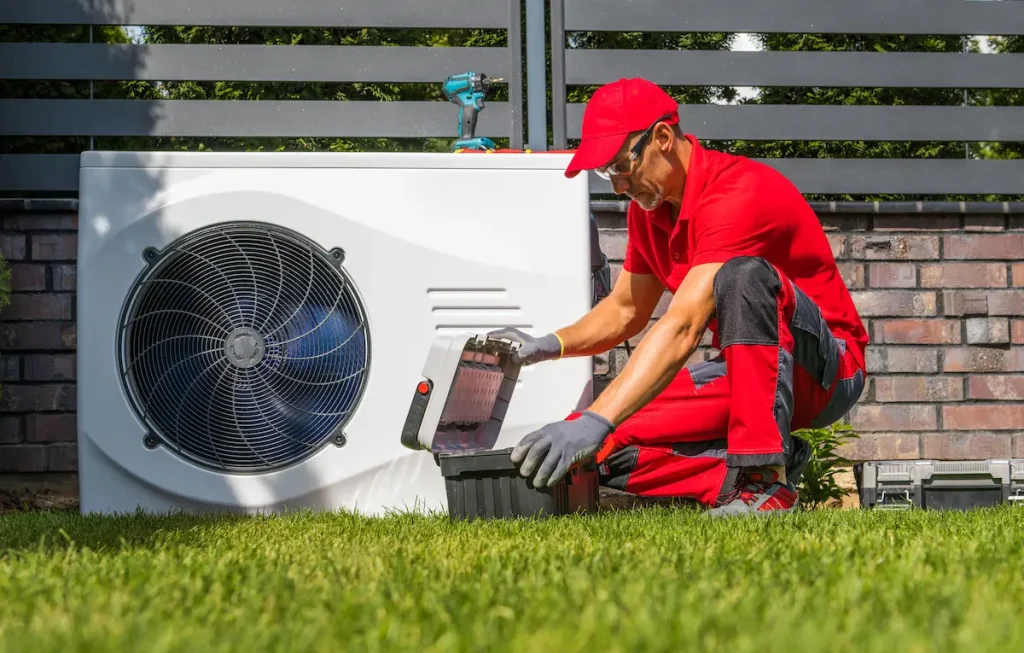
Energy efficiency affects both your utility bills and environmental impact. Let’s see how ductless heat pump vs central systems compare.
Efficiency Ratings Explained
Both system types use these efficiency ratings:
- SEER (Seasonal Energy Efficiency Ratio) – Measures cooling efficiency
- HSPF (Heating Seasonal Performance Factor) – Measures heating efficiency
Higher numbers mean better efficiency. In 2025, minimum standards are 14 SEER in northern states and 15 SEER in southern states.
Ductless Heat Pump Efficiency
Ductless systems typically have SEER ratings of 16-30 and HSPF ratings of 9-14. Many models exceed 20 SEER, making them extremely efficient.
Their efficiency comes from:
- No ductwork energy losses
- Inverter technology that adjusts output instead of turning on/off
- Zone control that avoids heating/cooling unused spaces
Modern ductless systems can maintain efficiency even when outdoor temperatures drop to 5°F or lower. Some cold-climate models work efficiently down to -13°F.
Central System Efficiency
Central HVAC systems typically have SEER ratings of 14-21 and HSPF ratings of 8-10. High-efficiency models can reach the upper end of these ranges.
However, even the most efficient central system loses some energy through ductwork. The Department of Energy estimates that typical duct systems lose 25-40% of heating or cooling energy.
Central systems also run at full capacity when on, rather than adjusting to the exact needs of your home.
Long-term Savings Comparison
Let’s look at a simple example for a 2,000 square foot home:
- Ductless system: 20 SEER, 4 zones, estimated annual energy cost: $800-$1,000
- Central system: 16 SEER with ducts, estimated annual energy cost: $1,200-$1,500
The ductless system might save $400-$500 per year. Over a 15-year lifespan, that’s $6,000-$7,500 in savings, which could offset the higher installation cost.
Which System Is Best For Your Home?
The right choice between ductless heat pump vs central systems depends on your specific situation. Here’s a guide to help you decide.
Ductless Heat Pumps Work Best For:
- Older homes without existing ductwork – Avoid the major renovation needed to install ducts
- Home additions – Extend comfort to new spaces without modifying your existing HVAC
- Small homes or apartments – Get efficient heating and cooling without wasted capacity
- Homes with unused rooms – Save energy by only conditioning the spaces you use
- Households with temperature preferences – Let family members set their own comfort levels
- Energy-conscious homeowners – Maximize efficiency and minimize environmental impact
Central HVAC Works Best For:
- Homes with existing, good-condition ductwork – Use what you already have
- Open floor plans – Benefit from even temperature distribution
- Homeowners concerned with aesthetics – Keep equipment out of sight
- Very large homes – Avoid needing many indoor units
- Extremely cold climates – Gas furnaces may provide more reliable heating in sub-zero temperatures
- Homes needing whole-house humidification or air cleaning – These systems integrate well with central HVAC
Hybrid Approaches
You don’t always have to choose one system exclusively. Some homeowners use:
- Ductless in addition to central systems in the main house
- Ductless in problem rooms (too hot/cold) while keeping central for the rest
- Central with zoning dampers to get some of the zone control benefits
A qualified HVAC contractor can help design a hybrid approach that gives you the best of both worlds.
Maintenance Requirements
Both ductless heat pump and central systems need regular maintenance to work efficiently and last longer. Here’s what to expect with each.
Ductless Heat Pump Maintenance
Ductless systems require:
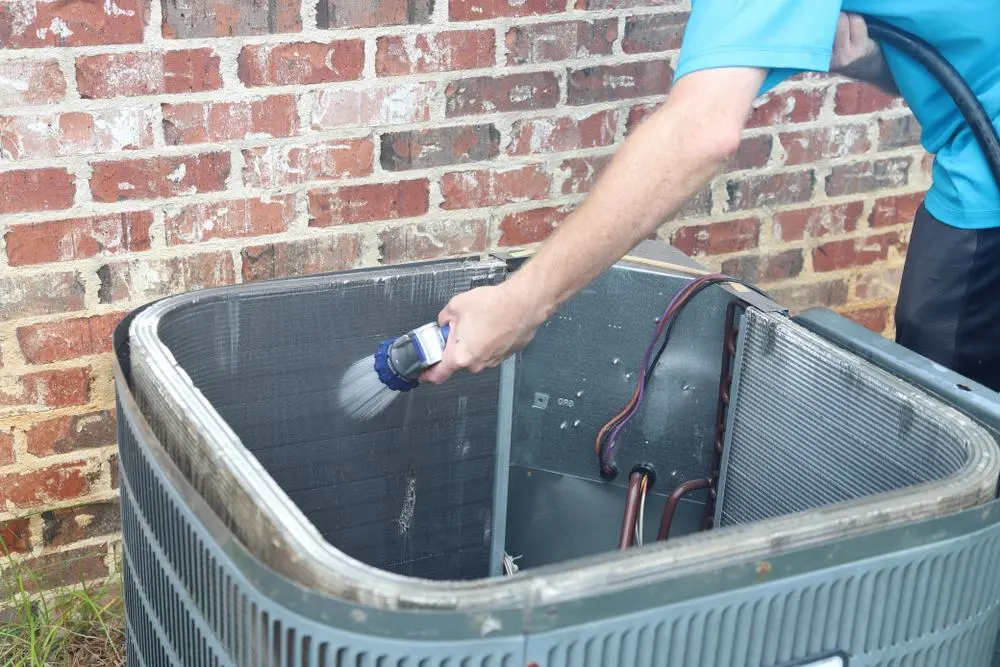
- Monthly filter cleaning: Each indoor unit has washable filters that you should clean monthly
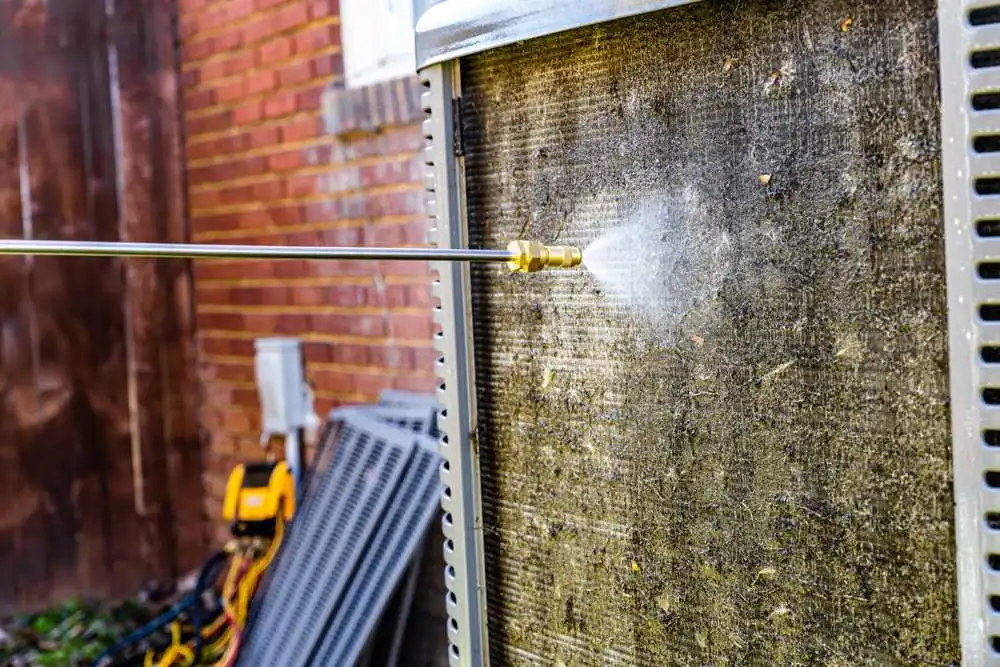
- Outdoor unit clearing: Keep the area around the outdoor unit free of debris, leaves, and snow
- Annual professional service: Have a technician check refrigerant levels, electrical connections, and overall performance
DIY maintenance is relatively simple. Most homeowners can clean filters and keep outdoor units clear without professional help.
Professional maintenance typically costs $100-$150 per year. Some companies offer maintenance plans that include priority service and discounts on repairs.
Central HVAC Maintenance
Central systems require:
- Filter replacement: Change or clean filters every 1-3 months
- Outdoor unit clearing: Keep the area around AC or heat pump units clear
- Duct cleaning: Have ducts professionally cleaned every 3-5 years
- Annual professional service: Have a technician check all system components
DIY maintenance is limited to filter changes and keeping outdoor units clear. Most other maintenance requires professional help.
Professional maintenance typically costs $100-$200 per year, plus $300-$500 for duct cleaning every few years.
Lifespan Comparison
With proper maintenance:
- Ductless heat pumps typically last 15-20 years
- Central heat pumps typically last 10-15 years
Ductless systems often outlast central air conditioners and heat pumps because they have fewer mechanical parts and don’t suffer the stress of stopping and starting as frequently.
FAQs About Heat Pumps vs Central Systems
Is it worth switching to ductless if I already have central air?
It depends on your energy bills, comfort issues, and how often you use all the rooms. If your ductwork is leaky or you’re paying to cool unused areas, ductless may save you money.
Can I install both ductless and central systems in the same home?
Yes, many homeowners use ductless in new additions or problem rooms and keep central for the rest. A hybrid setup can give you the best of both systems.
Will ductless heat pumps work well in South Carolina’s climate?
Absolutely—modern ductless systems handle both heat and humidity well. Unless you’re in an extremely cold area, they’re a great year-round solution.
Are ductless systems loud inside the house?
Not at all—indoor units are whisper quiet during operation. Most people don’t even notice them running once installed.
Final Thoughts on Ductless Heat Pump vs Central Systems
Choosing between a ductless heat pump vs central system comes down to your specific needs. Ductless systems offer superior energy efficiency, flexible zoning, and easier installation, making them ideal for homes without existing ductwork or those wanting zone control. Central systems provide whole-home comfort with less visible equipment and may be more cost-effective if you already have good ductwork.
Consider your home’s layout, your comfort preferences, your budget, and your energy efficiency goals. Many homeowners find that ductless heat pumps provide the best balance of comfort, efficiency, and value, especially in older homes or when adding living space.
Whatever you choose, proper sizing and professional installation are crucial for optimal performance. An experienced HVAC contractor can help you evaluate your specific needs and recommend the best solution for your home.
Ready to explore which heating and cooling system is right for your home? Contact Kay Plumbing, Heating & Cooling, Heating, and Cooling today to schedule a free consultation. We’ll help you compare options, understand costs, and find the perfect comfort solution for your family’s needs. Call now!