
Table of Contents
HVAC filters are essential parts of your heating and cooling system. They trap dust, pollen, and other particles to keep your air clean. There are many HVAC filter types available, each with different benefits. The right filter can improve your indoor air quality and help your HVAC system work better. Fiberglass, pleated, electrostatic, HEPA, and washable filters are the main HVAC filter types you’ll find on the market today.
What Are HVAC Filters and Why Are They Important?
HVAC filters are devices that trap particles from the air that flows through your heating, ventilation, and air conditioning system. They work like nets that catch dust, pet hair, pollen, and other tiny particles. Without filters, these particles would circulate throughout your home and could make you sick.
HVAC filter types vary in how well they clean your air. Some catch only big particles, while others can trap very tiny ones. The main job of these filters is to keep your indoor air clean and help your HVAC system run smoothly.
There are two big reasons why HVAC filters matter. First, they improve your indoor air quality by removing allergens and pollutants. This is especially important if you have allergies, asthma, or pets. Second, they protect your HVAC equipment from dust and debris that could damage it. A clean system runs more efficiently and lasts longer.
Common HVAC Filter Types Explained
Let’s look at the most common HVAC filter types you’ll find when shopping for replacements.
Fiberglass Filters
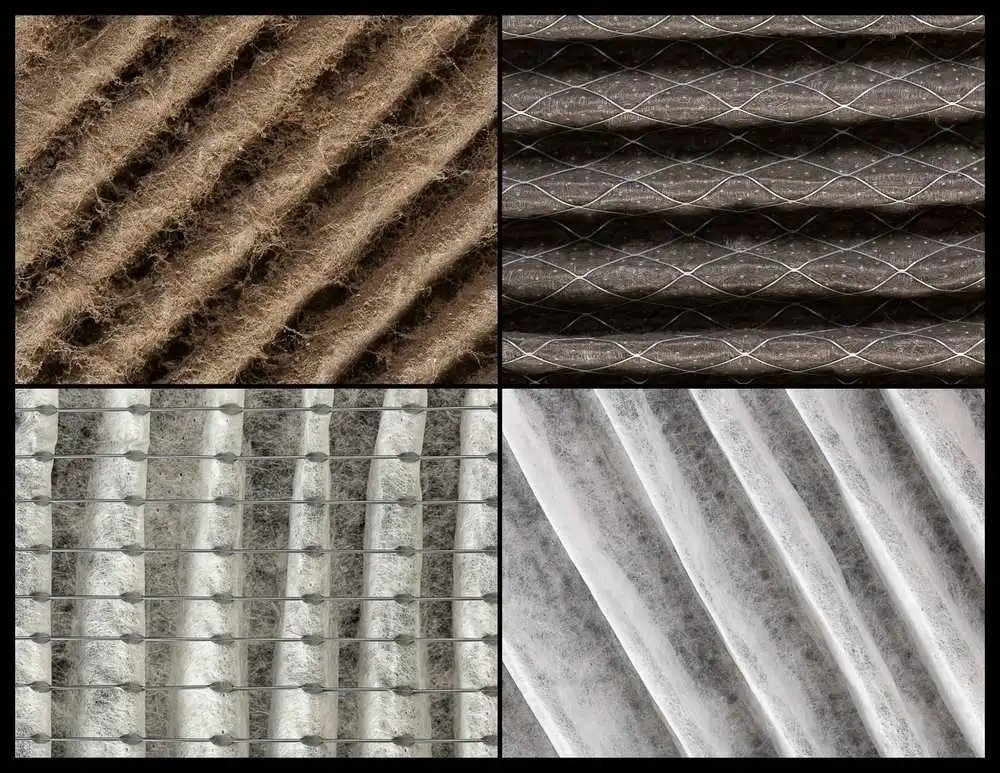
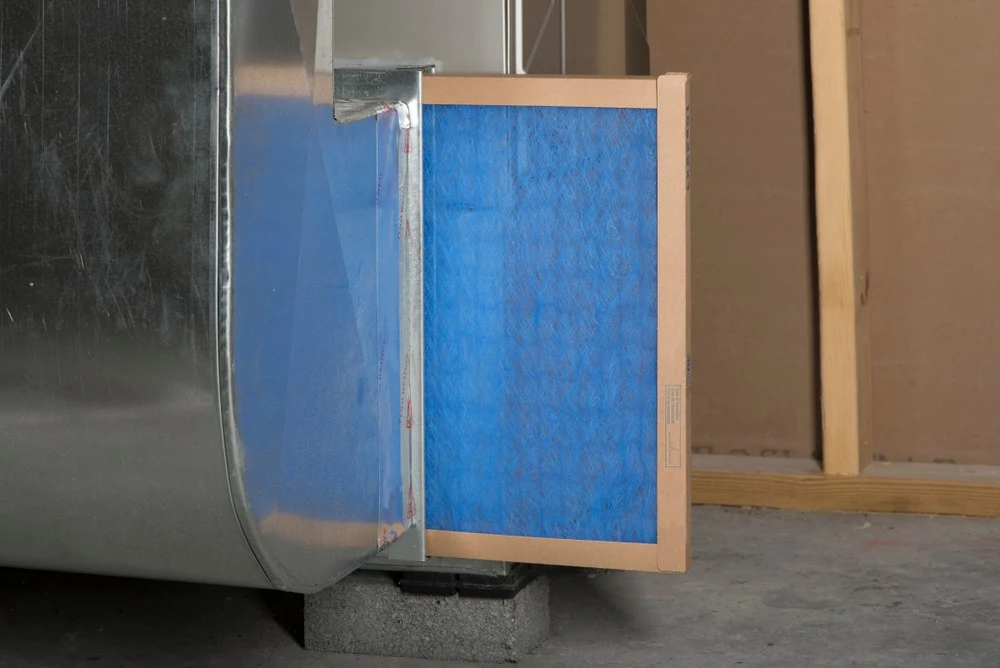
Fiberglass filters are the most basic HVAC filter type. They’re made of layered fiberglass fibers that create a flat surface to catch particles. These filters are very thin and usually have a cardboard frame.
The biggest advantage of fiberglass filters is their low cost. You can buy them for just a few dollars each. They’re also good at protecting your HVAC equipment from large dust particles.
However, fiberglass filters don’t do much for your air quality. They only catch large particles and let smaller ones pass through. They typically have a MERV rating of 1-4, which is the lowest on the scale. If you have allergies or pets, these filters won’t help much.
Pleated Filters
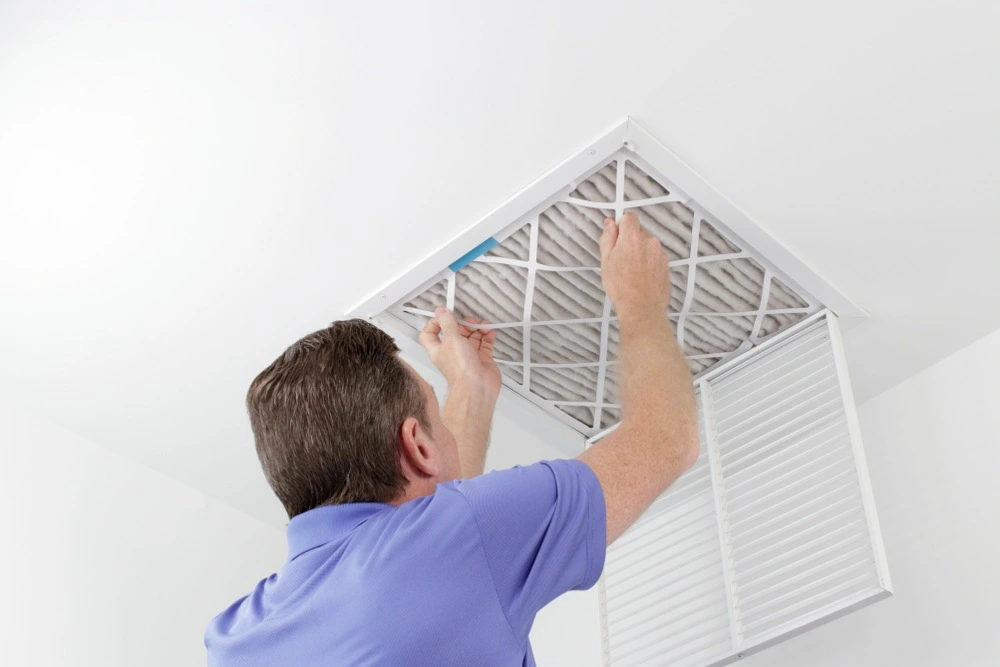
Pleated filters are a step up from fiberglass. They’re made of polyester or cotton paper folded into pleats. This folding creates more surface area to trap particles.
These HVAC filter types catch more particles than fiberglass filters. They can trap pollen, mold spores, pet dander, and dust mites. Pleated filters usually have MERV ratings between 5 and 13.
Pleated filters cost more than fiberglass but still remain affordable. They need to be replaced every 1-3 months, depending on your home’s air quality. The more pleats a filter has, the better it works. Look for filters with at least 4 pleats per inch for good performance.
Electrostatic Filters
Electrostatic filters use static electricity to trap particles. They’re made of materials that create an electric charge when air passes through them. This charge attracts and holds dust and other particles.
These HVAC filter types come in both disposable and permanent versions. The permanent ones can be washed and reused, which saves money over time. They’re good at catching small particles like smoke and bacteria.
Electrostatic filters work well for homes with pets or smokers. They have MERV ratings between 8 and 10. The permanent versions cost more upfront but can last for years with proper cleaning.
HEPA Filters
HEPA (High-Efficiency Particulate Air) filters are the gold standard for air filtration. These HVAC filter types can remove 99.97% of particles as small as 0.3 microns. That’s tiny enough to catch most allergens, bacteria, and even some viruses.
HEPA filters have MERV ratings of 17-20, the highest possible. They’re excellent for people with severe allergies, asthma, or other respiratory issues. They can even trap cigarette smoke and cooking oil particles.
The downside is that HEPA filters are expensive and very dense. Most residential HVAC systems can’t handle them because they restrict airflow too much. You might need a professional to modify your system to use HEPA filters.
Washable Filters
Washable filters are designed to be cleaned and reused. They’re usually made of metal or synthetic materials that can withstand washing. These HVAC filter types can last for several years with proper maintenance.
The main benefit of washable filters is that they reduce waste and save money over time. You don’t need to buy new filters every few months. They typically have MERV ratings between 1 and 4, similar to basic fiberglass filters.
However, washable filters require regular cleaning to work properly. You need to wash them every 1-3 months, let them dry completely, and reinstall them correctly. If not maintained properly, they can grow mold or bacteria, which defeats their purpose.
Understanding MERV Ratings for HVAC Filters
MERV stands for Minimum Efficiency Reporting Value. It’s a scale from 1 to 20 that measures how well HVAC filter types capture particles. The higher the MERV rating, the smaller the particles a filter can trap.
MERV Rating Chart
| MERV Rating | What It Captures | Best For |
|---|---|---|
| 1-4 | Large particles like dust, carpet fibers, and pollen | Basic residential use, minimal allergies |
| 5-8 | Mold spores, pet dander, dust mites | Homes with pets, mild allergies |
| 9-12 | Legionella, lead dust, auto emissions | Better air quality, moderate allergies |
| 13-16 | Bacteria, tobacco smoke, sneeze droplets | People with respiratory conditions |
| 17-20 | Viruses, carbon dust, sea salt | Hospitals, clean rooms |
Most residential HVAC systems work best with filters in the 8-13 MERV range. Filters with higher ratings can restrict airflow too much, making your system work harder. This can lead to higher energy bills and potential damage to your equipment.
Before choosing a high-MERV filter, check your HVAC system’s manual or ask a professional. Some systems can handle higher-rated filters, while others cannot. The wrong filter can cause your system to strain and potentially break down.
How to Choose the Right HVAC Filter Type
Selecting the right HVAC filter type depends on several factors. Here’s what to consider when making your choice.
Consider Your Air Quality Needs
Think about your household’s specific needs. Do you have pets that shed? Does anyone have allergies or asthma? Is your home in a dusty area? These factors affect which HVAC filter types will work best for you.
For basic needs with no health concerns, a fiberglass or washable filter might be enough. If you have pets, consider a pleated filter with a MERV rating of at least 8. For allergies or asthma, look at electrostatic filters or pleated filters with MERV ratings of 11-13.
Remember that better filtration usually means higher costs and more frequent replacements. Balance your air quality needs with your budget and maintenance preferences.
Check Your HVAC System Requirements
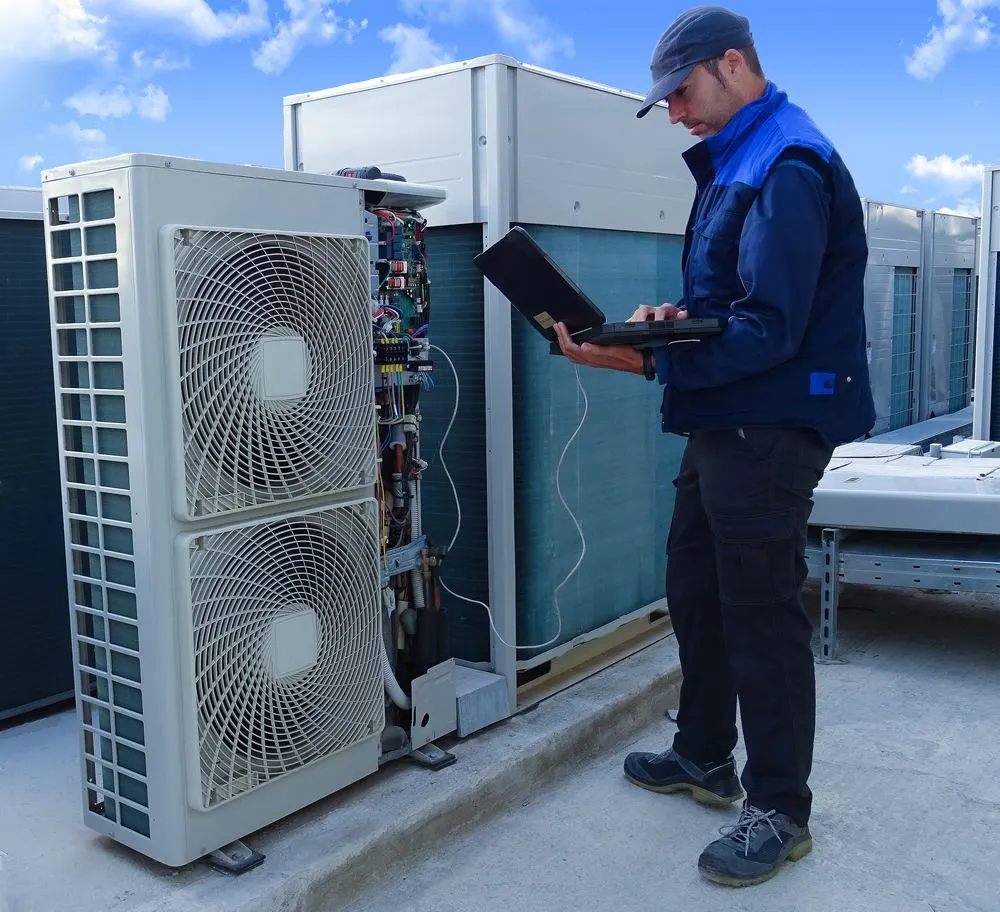
Not all HVAC systems can handle all filter types. Check your system’s manual to see what MERV ratings it can accommodate. Using a filter that’s too restrictive can damage your system over time.
Also, make sure you get the right size filter. Measure your current filter or check the manual for dimensions. A filter that’s too small won’t cover the entire air intake, while one that’s too large won’t fit properly.
Some newer HVAC systems are designed for specific filter types. If you have a high-efficiency system, it might require a certain MERV rating to maintain its warranty. Always follow the manufacturer’s recommendations.
Consider Long-Term Costs
When comparing HVAC filter types, look beyond the initial price. Consider how often you’ll need to replace each type and calculate the annual cost.
For example, fiberglass filters are cheap but need replacement every month. A $3 filter replaced 12 times a year costs $36 annually. A $20 washable filter that lasts five years costs just $4 per year, plus the water and time to clean it.
Also, think about energy costs. A clogged or too-restrictive filter makes your system work harder, using more electricity. The right filter can actually save you money on utility bills over time.
Maintenance Tips for Different HVAC Filter Types
Proper maintenance of your HVAC filters is essential for good air quality and system efficiency. Here’s how to care for different filter types.
Replacement Schedules
Different HVAC filter types need replacement at different intervals:
- Fiberglass filters: Replace every 30 days
- Pleated filters: Replace every 60-90 days
- Electrostatic disposable filters: Replace every 60-90 days
- Electrostatic washable filters: Clean every 60-90 days
- HEPA filters: Replace every 6-12 months
- Washable filters: Clean every 30-90 days
These schedules are general guidelines. You might need to replace or clean filters more often if you have pets, live in a dusty area, or run your system constantly. Check your filter monthly and replace it when it looks dirty, regardless of the schedule.
Cleaning Washable Filters
If you use washable HVAC filter types, proper cleaning is crucial. Here’s how to do it:
1. Turn off your HVAC system before removing the filter.
2. Vacuum the filter gently to remove loose dust and debris.
3. Rinse the filter with water from the clean side toward the dirty side.
4. For stubborn dirt, use mild soap and a soft brush.
5. Rinse thoroughly until the water runs clear.
6. Let the filter dry completely before reinstalling it.
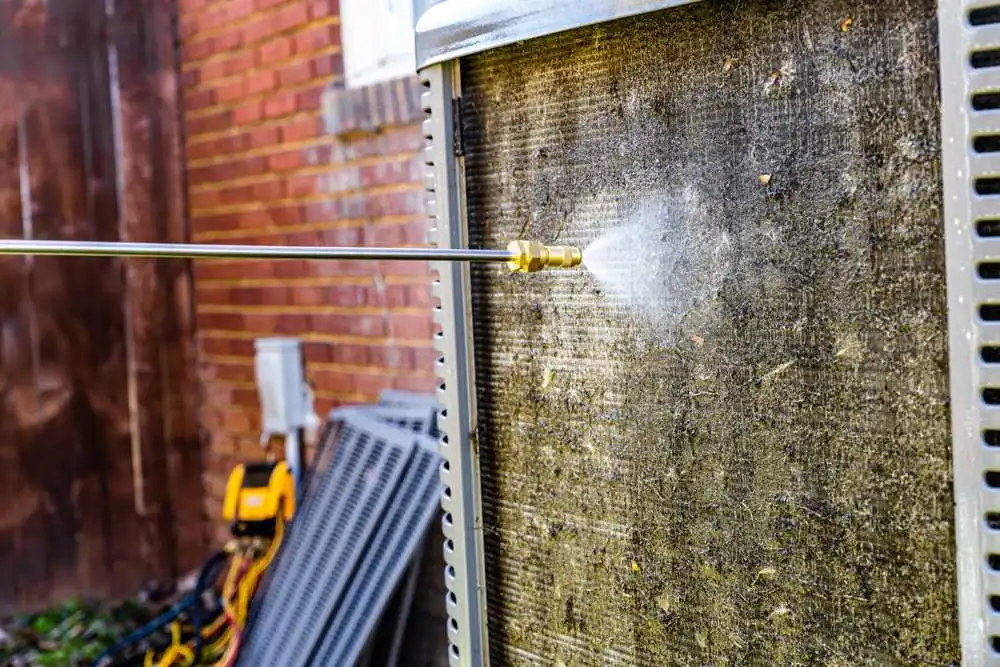
Never use harsh chemicals or high-pressure water, as these can damage the filter. Also, make sure the filter is completely dry before putting it back. A damp filter can grow mold and bacteria, which will then blow into your home.
Signs Your Filter Needs Changing
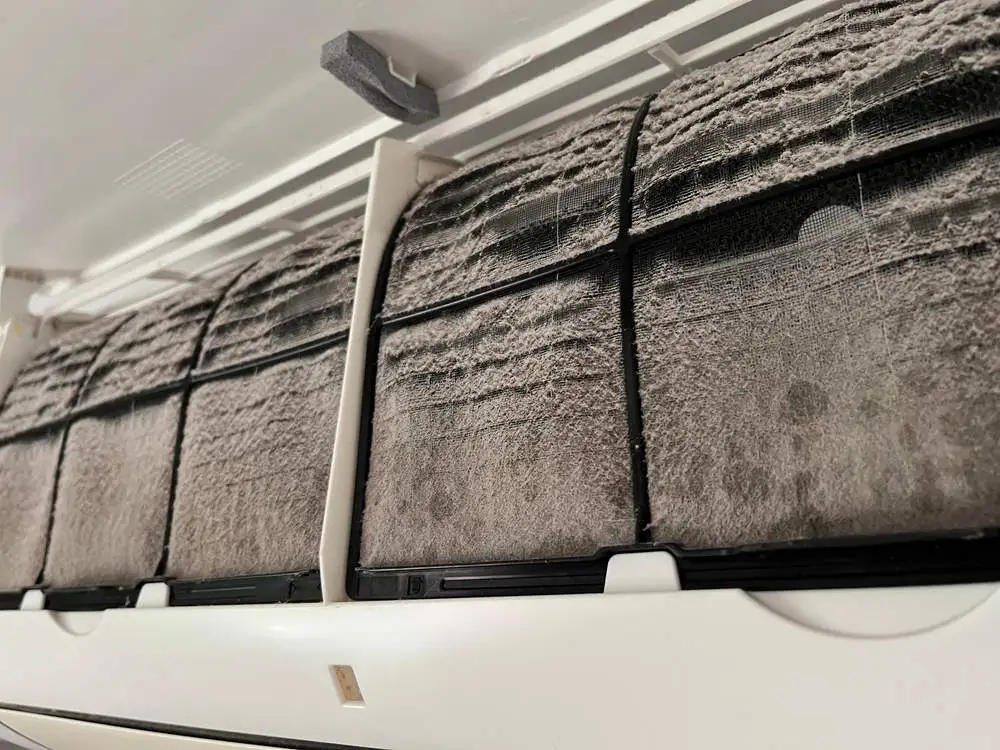
Don’t rely solely on the calendar to know when to change your filter. Watch for these signs that your HVAC filter types need attention:
- Visible dust or dirt on the filter
- Increased dust in your home
- Longer heating or cooling cycles
- Higher energy bills
- More frequent allergy symptoms
- Reduced airflow from vents
If you notice any of these signs, check your filter right away. A clogged filter can’t do its job and puts strain on your HVAC system. Regular filter maintenance is one of the easiest ways to extend the life of your heating and cooling equipment.
Frequently Asked Questions About HVAC Filter Types
Can I Use Any Filter Type in My HVAC System?
No, not all HVAC filter types work with all systems. Most residential systems are designed for filters with MERV ratings between 8 and 13. Using a filter with a higher MERV rating than recommended can restrict airflow and damage your system. Always check your HVAC manual or ask a professional before switching to a different filter type.
Are More Expensive HVAC Filters Always Better?
Not necessarily. The “best” filter depends on your specific needs. More expensive filters usually trap smaller particles, which is great for air quality but might not be necessary for everyone. If no one in your home has allergies or respiratory issues, a mid-range filter might be perfectly adequate. Balance filtration quality with cost and your system’s capabilities.
How Do HVAC Filter Types Affect Energy Efficiency?
Your choice of HVAC filter types can significantly impact energy efficiency. A filter that’s too restrictive makes your system work harder to pull air through, increasing energy use.
On the other hand, a filter that’s too basic won’t keep your system clean, which also reduces efficiency over time. The right filter—one that provides good filtration without excessive airflow restriction—can help your system run at peak efficiency.
Can HVAC Filters Remove Viruses and Bacteria?
Some HVAC filter types can capture certain viruses and bacteria. HEPA filters and high-MERV pleated filters (13 and above) can trap many microorganisms. However, standard residential filters with lower MERV ratings won’t catch most viruses. For comprehensive protection against airborne pathogens, consider adding UV lights or other air purification systems to work alongside your filters.
Should I Use the Same Filter Type Year-Round?
You might benefit from changing HVAC filter types seasonally. During high pollen seasons or when wildfire smoke is present, you might want a higher-MERV filter. During cleaner air months, you could switch to a lower-MERV filter to reduce energy use. Just make sure any filter you choose is compatible with your system.
Ready to Improve Your Indoor Air Quality?
Choosing the right HVAC filter types makes a big difference in your home’s air quality and your system’s performance. From basic fiberglass to advanced HEPA filters, each option offers different benefits. Consider your household’s needs, your HVAC system’s capabilities, and your maintenance preferences when making your choice.
Remember to check and replace your filters regularly according to the manufacturer’s recommendations. A clean filter means cleaner air and a more efficient HVAC system.
If you’re still unsure which filter is right for your home, or if you need help with installation or maintenance, don’t hesitate to contact a professional HVAC technician. They can assess your specific situation and recommend the perfect HVAC filter types for your needs.
Book an appointment today with Kay Plumbing, Heating & Cooling, Heating, and Cooling to discuss the best filtration options for your home. Your lungs—and your energy bill—will thank you! Call us now!