
Table of Contents
Air filter replacement is one of the most important maintenance tasks for your home’s heating and cooling system. Changing your air filter regularly helps your HVAC system run better and keeps the air in your home clean.
In Columbia, SC, where pollen counts are currently very high, replacing your air filter is even more important. A clean filter traps pollen, dust, and other particles that can make allergies worse and cause breathing problems. Most homeowners should replace their air filters every 1-3 months, depending on their home situation and the type of filter they use.
Why Air Filter Replacement Matters
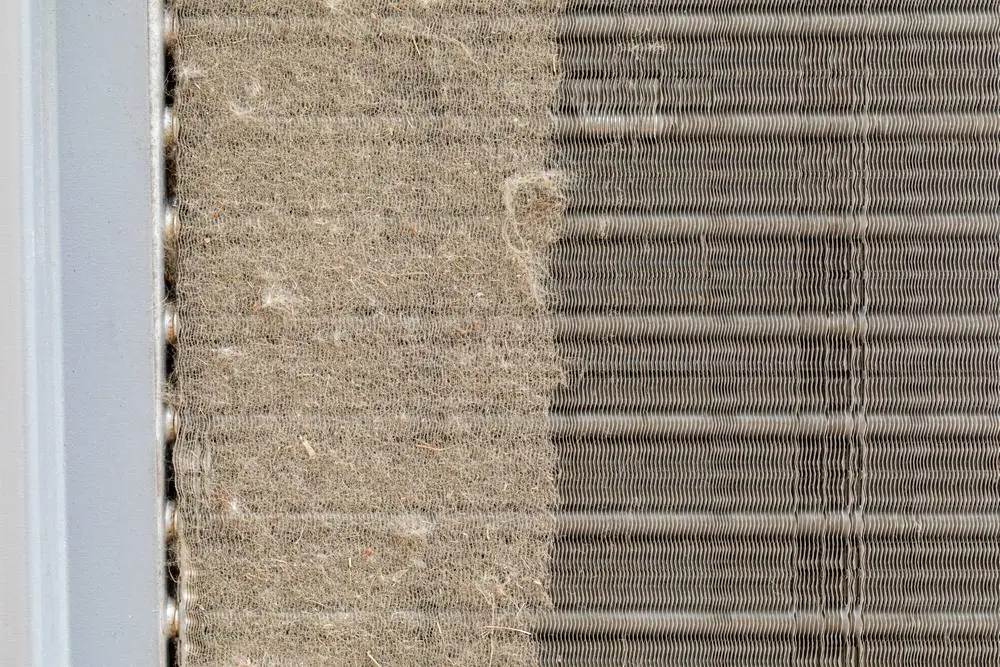
Your HVAC system’s air filter has a big job. It catches dust, dirt, pet hair, and other tiny particles that float in your home’s air. When you don’t replace your air filter regularly, these things build up and cause problems.
Better Air Quality
A clean air filter means cleaner air in your home. This is especially important if anyone in your family has allergies, asthma, or other breathing problems. When your filter is dirty, it can’t trap new particles, and your indoor air quality gets worse.
Energy Savings
Did you know a dirty air filter makes your HVAC system work harder? When air can’t flow easily through a clogged filter, your system uses more energy to push air through. This means higher energy bills for you. The U.S. Department of Energy says that replacing a dirty filter with a clean one can lower your air conditioner’s energy use by 5-15%. That’s money in your pocket!
Extended HVAC System Life
Regular air filter replacement helps your heating and cooling system last longer. When your system doesn’t have to work as hard, parts don’t wear out as quickly. This means fewer repairs and a longer life for your expensive HVAC equipment.
Reduced Maintenance Costs
Dirty filters can lead to bigger problems in your HVAC system. When dust and dirt get past a clogged filter, they can build up on important parts inside your system. This can cause breakdowns and expensive repairs. Spending a few dollars on a new filter can save you hundreds in repair costs.
Signs You Need to Replace Your Air Filter
How do you know when it’s time for an air filter replacement? Here are some clear signs to watch for:
Visual Inspection
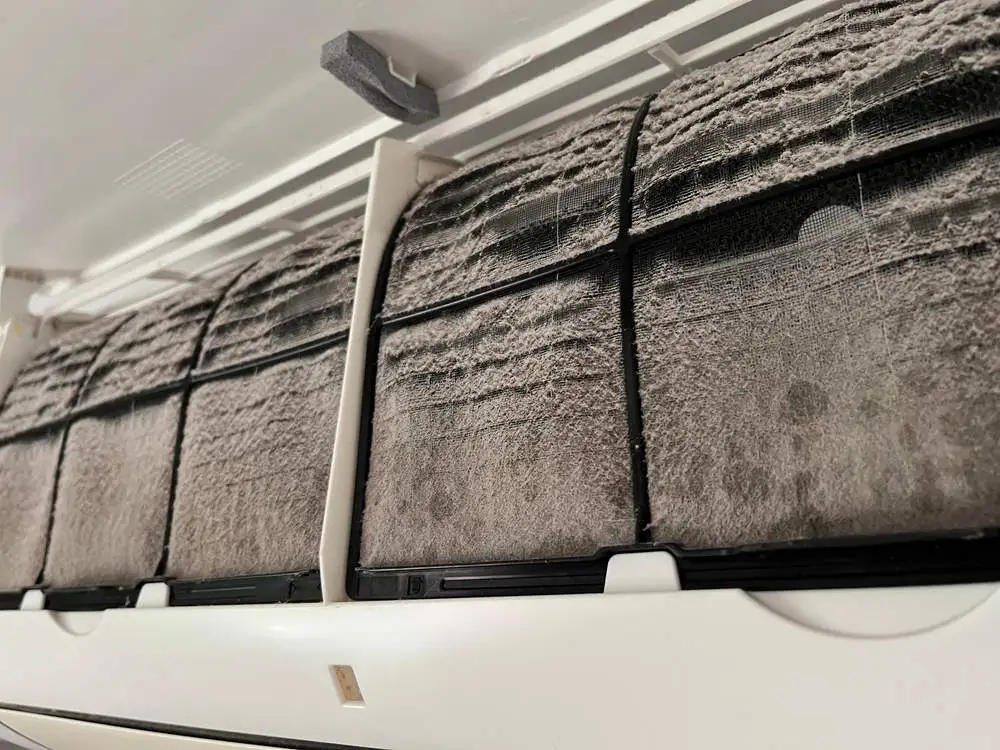
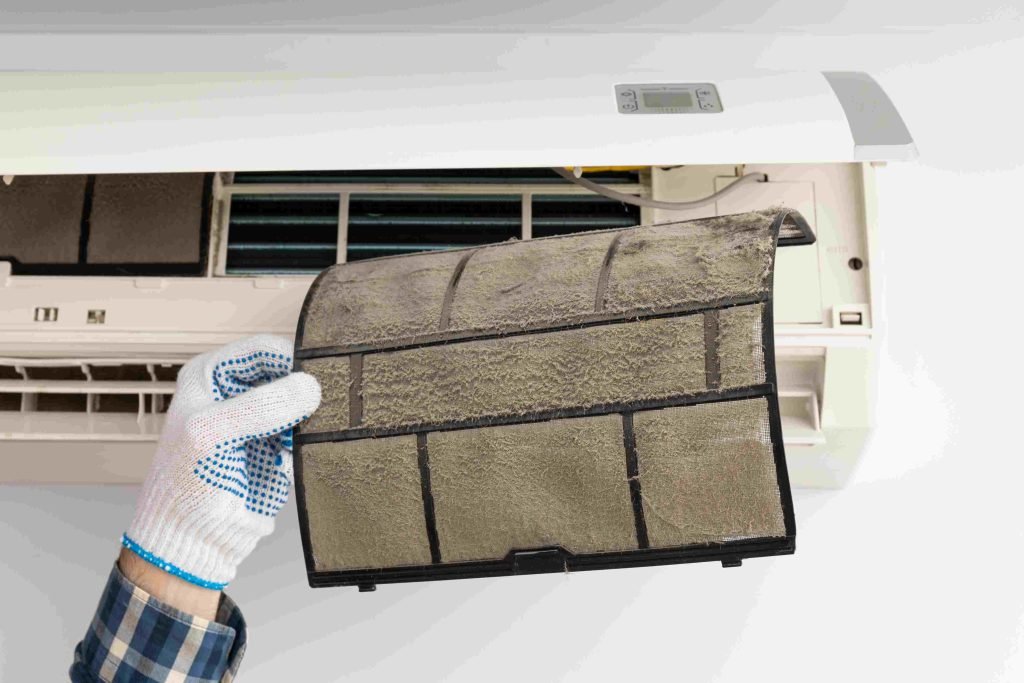
The easiest way to check is to simply look at your filter. Hold it up to a light source. If you can’t see light passing through it, the filter is too dirty and needs to be replaced. A clean filter appears white or off-white, while a dirty one looks gray or brown with visible dust and debris.
Increased Allergy Symptoms
If people in your home are sneezing more or having worse allergy symptoms, your air filter might be to blame. When filters get too dirty, they stop trapping allergens effectively. This is especially noticeable during high pollen seasons in Columbia, SC.
More Dust Around Your Home
Are you noticing more dust on your furniture, even after cleaning? This could mean your air filter isn’t catching dust particles as it should. When dust settles on surfaces quickly after cleaning, it’s often a sign your filter needs changing.
Higher Energy Bills
If your energy bills are suddenly higher without a change in usage, check your air filter. A clogged filter forces your system to work harder and use more energy. Many homeowners don’t realize that a simple air filter replacement can lower their monthly bills.
Reduced Airflow
Stand near your vents when your system is running. Is the airflow weaker than usual? This could mean your filter is so clogged that it’s restricting air movement through your system. This not only affects comfort but can damage your HVAC system over time.
How to Choose the Right Air Filter
Not all air filters are the same. Choosing the right one makes a big difference in your home’s air quality and your HVAC system’s performance.
Understanding MERV Ratings
MERV stands for Minimum Efficiency Reporting Value. This rating tells you how well a filter catches particles. MERV ratings range from 1 to 20, with higher numbers meaning better filtration.
- MERV 1-4: Basic filters that catch large particles. These are the cheapest but offer minimal protection.
- MERV 5-8: Mid-range filters that trap smaller particles like mold spores and pet dander. Good for most homes.
- MERV 9-12: High-efficiency filters that catch very small particles. Great for people with allergies.
- MERV 13-16: Very high-efficiency filters that can trap bacteria and smoke particles. Ideal for people with respiratory issues.
- MERV 17-20: Hospital-grade filters not typically used in homes.
For most homes in Columbia, SC, a filter with a MERV rating between 8 and 11 works well. It provides good air cleaning without restricting airflow too much.
Filter Types
There are several types of air filters to choose from:
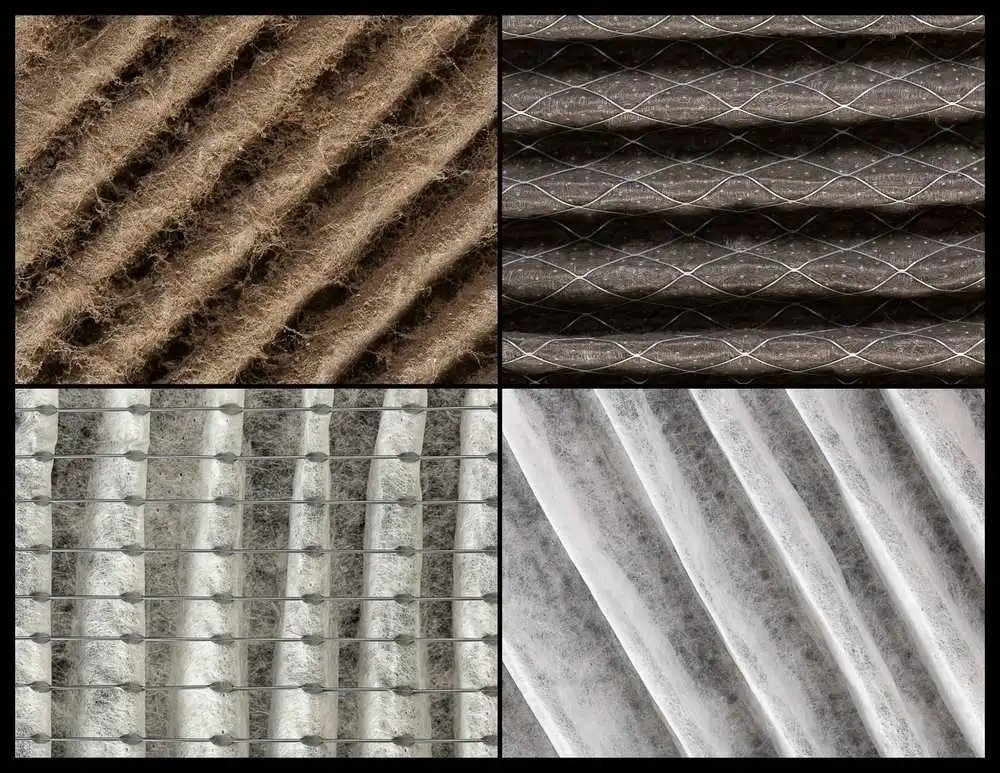
Fiberglass Filters: These are the cheapest option. They protect your HVAC equipment but don’t do much for air quality. They need to be replaced monthly.
Pleated Filters: Made of polyester or cotton paper, these filters trap more particles than fiberglass. They last 1-3 months, depending on use.
Washable Filters: These can be cleaned and reused. While they cost more upfront, they can save money over time. However, they must be completely dry before reinstalling.
HEPA Filters: These catch 99.97% of particles as small as 0.3 microns. They’re great for people with severe allergies but may not fit in standard residential HVAC systems.
Size Matters
Using the wrong size filter can damage your system or let air bypass the filter entirely. Check your current filter’s size, which is printed on its frame. Common sizes include 16×20, 20×25, and 16×25 inches. Always replace your filter with the exact same size.
Step-by-Step Air Filter Replacement Guide
Replacing your air filter is a simple task that most homeowners can do themselves. Here’s how to do it properly:
What You’ll Need
- New air filter (correct size and type)
- Screwdriver (for some systems)
- Vacuum cleaner (optional)
Step 1: Turn Off Your HVAC System
Always turn off your system before changing the filter. This prevents the system from pulling in dust and debris during the change and protects the fan motor.
Step 2: Locate Your Air Filter
Your filter could be in one of several places:
- In the return air duct
- In a slot on the side, bottom, or top of your furnace
- Behind a return air grille on your wall or ceiling
If you can’t find it, check your HVAC system’s manual or look for a slot that’s about 1 inch wide.
Step 3: Remove the Old Filter
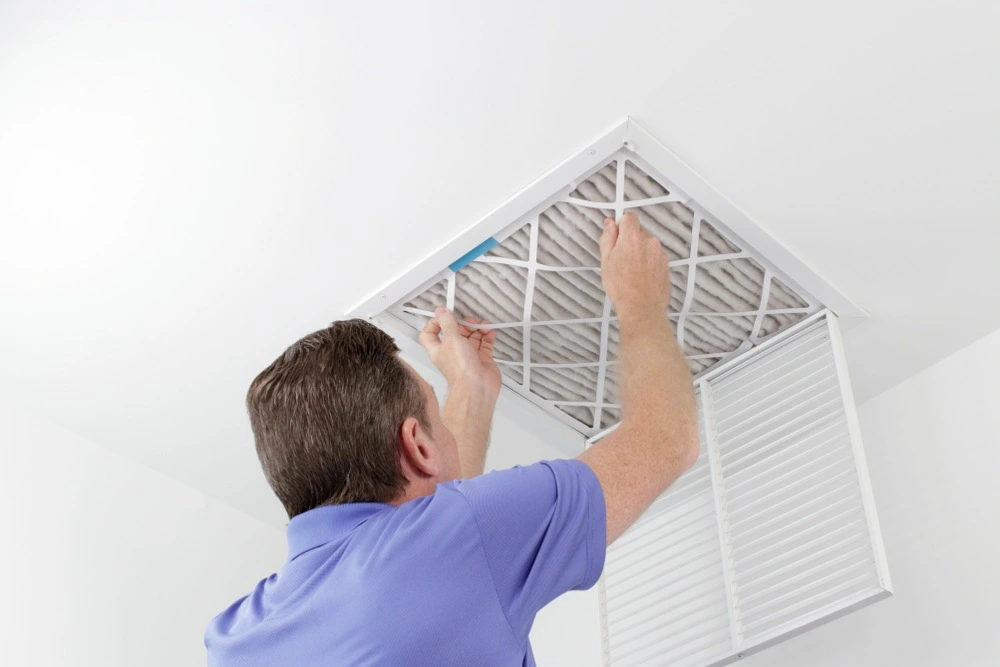
Carefully slide the old filter out. Note which way it was facing – most filters have arrows showing the correct airflow direction. If the area around the filter is dusty, you might want to vacuum it before installing the new filter.
Step 4: Check the Size and Direction
Confirm that your new filter is the same size as the old one. Look for arrows on the filter frame that show which way the air should flow. These arrows should point toward the furnace or air handler, not away from it.
Step 5: Install the New Filter
Slide the new filter into place with the arrows pointing in the correct direction. Make sure it fits snugly with no gaps around the edges where air could bypass the filter.
Step 6: Turn Your System Back On
Once the new filter is in place, turn your HVAC system back on. You might notice better airflow right away if the old filter was very dirty.
Step 7: Mark Your Calendar
Set a reminder to check your filter again in 30 days. Depending on what you find, you can adjust your replacement schedule. During high pollen seasons in Columbia, SC, you might need to replace filters more often.
Columbia’s High Pollen Count: Why Filter Replacement Is Crucial Now
Columbia, South Carolina, is currently experiencing very high pollen counts, making air filter replacement even more important for local residents.
Current Pollen Situation in Columbia
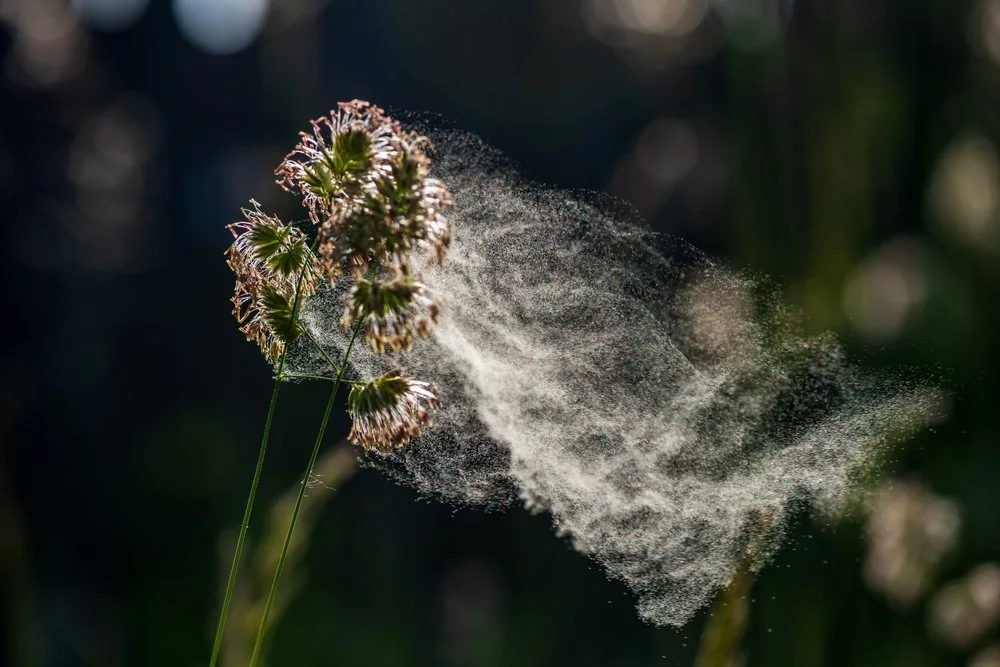
As of spring 2025, Columbia is seeing pollen counts above 9.0 on the pollen index, which is considered “very high.” The main culprits are oak, pine, and birch trees, along with various grasses. This yellow dust is covering cars, outdoor furniture, and making its way into homes throughout the area.
How Pollen Affects Your Indoor Air
Even if you keep your windows closed, pollen finds ways into your home. It comes in through your clothes, your pets, and tiny cracks around doors and windows. Once inside, it circulates through your HVAC system. Without a clean, effective air filter, this pollen remains in your indoor air, causing allergy symptoms even when you’re inside.
Special Considerations During High Pollen Season
During peak pollen season in Columbia, consider these additional tips:
Replace filters more frequently: Instead of waiting 3 months, check your filter monthly during high pollen season. It will likely get dirty much faster.
Consider upgrading your filter: If you normally use a basic filter, consider temporarily upgrading to one with a higher MERV rating (9-12) during pollen season.
Keep windows and doors closed: This reduces the amount of pollen entering your home in the first place.
Use the “recirculate” setting: When driving, use your car’s recirculate air setting rather than drawing in fresh air from outside.
Local Resources for Columbia Residents
Columbia residents can check daily pollen counts through the Pollen.com website or the local weather forecast. The South Carolina Department of Health and Environmental Control also provides air quality information that can help you decide when to replace your air filter.
Several local HVAC companies in Columbia offer filter subscription services that deliver the right filters to your door when it’s time for replacement. This can be especially helpful during high pollen seasons when you need to replace filters more often.
Frequently Asked Questions About Air Filter Replacement
Here are answers to common questions about air filter replacement:
How often should I replace my air filter?
The general rule is:
- 1-2 inch filters: Every 1-3 months
- 4-5 inch filters: Every 6-12 months
However, you should check more often if you have:
- Pets in your home
- Family members with allergies or asthma
- A home in a dusty area
- High pollen counts in your area (like Columbia, SC, currently has)
Can I clean and reuse my disposable air filter?
No, standard disposable filters aren’t designed to be cleaned and reused. Attempting to clean them can damage the filter material and reduce its effectiveness. Only filters specifically labeled as “washable” or “reusable” should be cleaned and reinstalled.
Will a higher MERV rating filter always be better?
Not necessarily. While higher MERV ratings catch more particles, they also restrict airflow more. If your HVAC system isn’t designed for high-MERV filters, using one could strain your system and cause problems. Always check your system’s manual or ask a professional before significantly upgrading your filter’s MERV rating.
What happens if I don’t replace my air filter?
Neglecting air filter replacement can lead to:
- Poor indoor air quality
- Higher energy bills
- Reduced HVAC system lifespan
- System overheating
- Frozen evaporator coils
- Complete system failure in extreme cases
Should I replace my air filter even if it doesn’t look dirty?
Yes, even if a filter doesn’t look visibly dirty, it may still be clogged with particles too small to see. Following the recommended replacement schedule is best, especially during high pollen seasons in Columbia when microscopic allergens are abundant.
Can changing my air filter really save money?
Absolutely! Regular air filter replacement can save you money in several ways:
- 5-15% lower energy costs
- Fewer repairs due to system strain
- Longer HVAC system life
- Potentially lower medical costs from improved air quality
The small cost of a new air filter is much less than the cost of HVAC repairs or higher energy bills.
Air Filter Replacement Schedule
Here’s a simple guide to help you remember when to replace your air filter:
| Home Type | Filter Type | Replacement Schedule |
|---|---|---|
| Average home, no pets | 1-2 inch filter | Every 3 months |
| Home with one pet | 1-2 inch filter | Every 2 months |
| Home with multiple pets or allergies | 1-2 inch filter | Every month |
| Any home during high pollen season | 1-2 inch filter | Check monthly, replace as needed |
| Any home | 4-5 inch filter | Every 6-12 months |
Keep Your Home Healthy with Regular Air Filter Replacement
Air filter replacement is a simple task that makes a big difference in your home’s comfort, your family’s health, and your wallet. In Columbia, SC, where pollen counts are currently very high, changing your filter regularly is even more important. Clean filters trap the pollen, dust, and other particles that can trigger allergies and make breathing difficult.
Remember to check your filter monthly during high pollen seasons and replace it when it looks dirty. Choose the right size and type of filter for your system, and always install it with the arrows pointing in the correct direction. This small maintenance task pays off in better air quality, lower energy bills, and a longer-lasting HVAC system.
Don’t wait until you notice problems with your system or your family’s health. Make air filter replacement part of your regular home maintenance routine. Your lungs and your wallet will thank you!
Ready to breathe easier? If you need help selecting the right filter for your system or want a professional to check your HVAC system’s overall health, give us a call today. Kay Plumbing, Heating & Cooling, Heating, and Cooling can ensure your system is running efficiently and keeping your home’s air clean and healthy, especially during Columbia’s high pollen season. Book an appointment today and take the first step toward better indoor air quality!