
Table of Contents
HVAC condenser coil care is essential for keeping your air conditioning system running efficiently. When condenser coils get dirty or damaged, your AC has to work harder, uses more electricity, and might break down sooner. Regular cleaning and maintenance of these coils can save you money on energy bills and expensive repairs. Taking care of your condenser coils is one of the simplest ways to extend the life of your HVAC system.
Let’s explore everything you need to know about caring for your HVAC condenser coils, from understanding what they do to simple maintenance tips you can do yourself.
What Are HVAC Condenser Coils and Why Do They Matter?
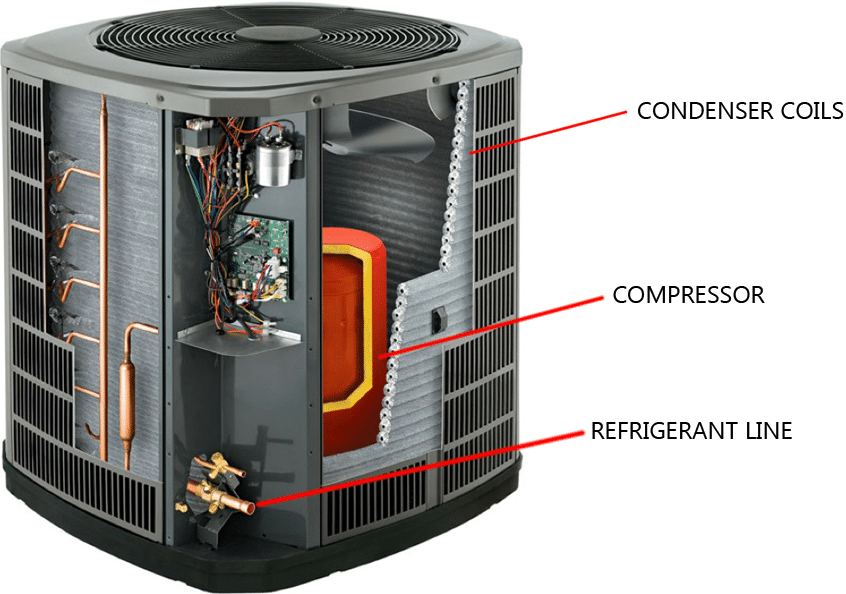
HVAC condenser coils are an important part of your air conditioning system. They sit inside the outdoor unit of your AC system. These coils look like a bunch of metal tubes with thin metal fins attached to them. Their job is to release heat from your home to the outside air.
When your AC runs, it removes heat from inside your house. This heat travels through the refrigerant to the condenser coils outside. The coils then transfer this heat to the outdoor air. This process is what makes your home feel cool.
Condenser coils matter because they’re like the lungs of your AC system. If they can’t breathe well because they’re dirty, your whole system struggles. Clean coils help your AC run better, use less energy, and last longer.
Common Problems with HVAC Condenser Coils
Dirt and Debris Buildup
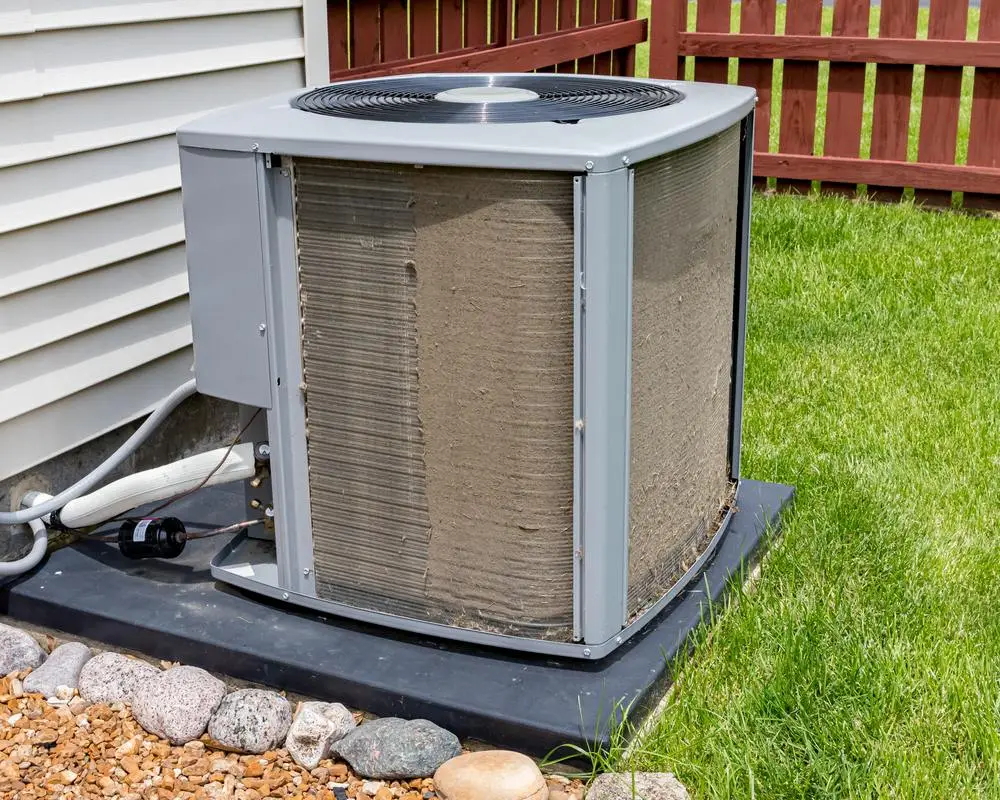
The most common problem with condenser coils is dirt buildup. Since these coils are outside, they collect dust, leaves, grass clippings, and other outdoor debris. This layer of dirt acts like a blanket, making it harder for heat to escape. When this happens, your AC has to work harder and longer to cool your home.
Bent or Damaged Fins
The thin metal fins on the condenser coils can easily get bent. This might happen during storms, from hitting them with a lawn mower, or even from hail. Bent fins block airflow, which reduces how well your system works. Severely damaged fins can even cause refrigerant leaks if they puncture the coil tubes.
Corrosion Issues
Over time, condenser coils can corrode, especially in areas with salty air or pollution. Corrosion eats away at the metal, weakening the coils and creating tiny holes. These holes can let refrigerant leak out, which is bad for both your AC system and the environment.
Refrigerant Leaks
When coils develop cracks or holes, refrigerant can leak out. Signs of a refrigerant leak include reduced cooling, ice forming on the coils, or hissing sounds. Refrigerant leaks are serious problems that need professional repair right away.
DIY HVAC Condenser Coil Maintenance
Regular Cleaning Steps
You can clean your condenser coils yourself with a few simple tools:
- Turn off the power to your AC unit at the breaker box.
- Remove large debris like leaves and twigs by hand.
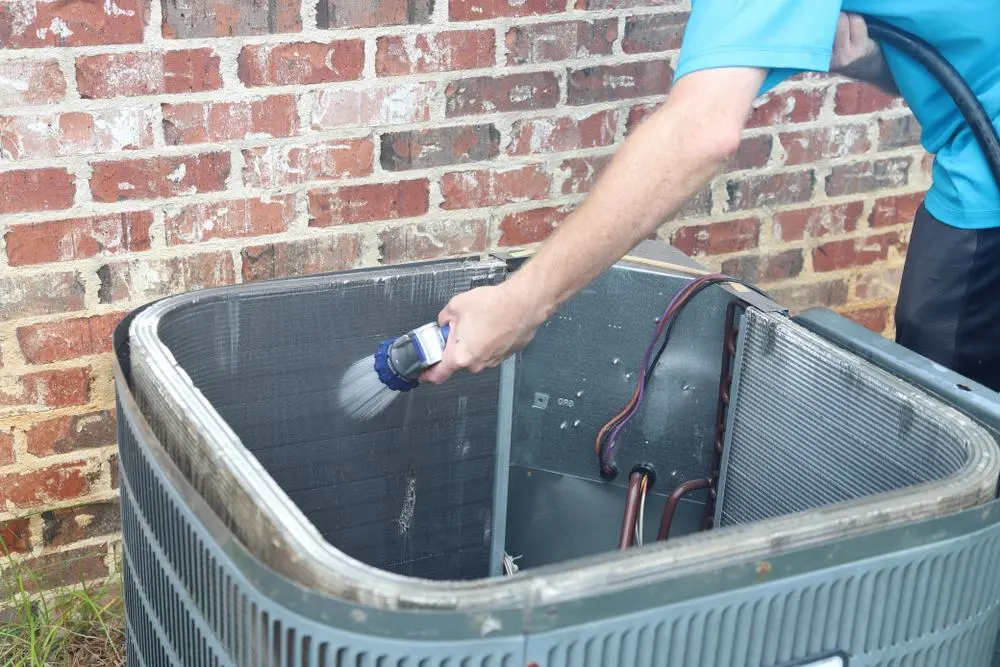
- Use a soft brush to gently remove dirt from the fins.
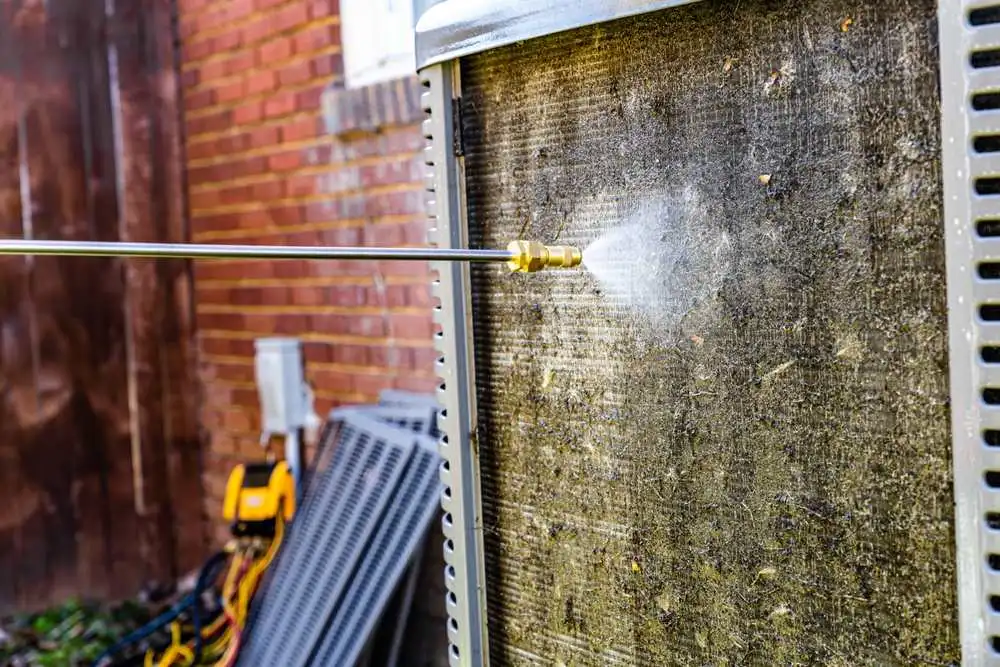
- Spray the coils with a garden hose (not a pressure washer).
- Spray from the inside out to push dirt away from the unit.
Do this cleaning at least twice a year – once before summer starts and once in the fall after leaves have fallen.
Safe Cleaning Products to Use
For regular cleaning, plain water works well. If your coils are very dirty, you can use:
- Mild dish soap mixed with water
- Commercial coil cleaner (follow package directions)
- Vinegar and water solution (equal parts)
Avoid using bleach or harsh chemicals that could damage the metal coils or harm plants around your unit.
Clearing the Area Around Your Unit
Keep the area around your outdoor unit clear:
- Remove plants, weeds, and grass within 2 feet of the unit.
- Trim back branches that hang over the unit.
- Clear away leaves and debris regularly.
- Make sure the unit sits level on its pad.
Good airflow around your unit helps it work better. Think of it like giving your AC room to breathe.
When to Call a Professional
While regular cleaning is something you can do, some situations need a professional:
- If you notice refrigerant leaks
- If many fins are bent or damaged
- If the coils show signs of corrosion
- If your unit makes unusual noises
- If you haven’t had professional maintenance in over a year
Professionals have special tools and training to handle more serious coil problems safely.
Professional HVAC Condenser Coil Services
What Professional Cleaning Includes
When you hire a professional to clean your condenser coils, they’ll do a more thorough job than most homeowners can. Professional cleaning typically includes:
- Complete power shutdown and safety checks
- Removal of the outer cabinet for better access
- Deep cleaning with specialized equipment and solutions
- Straightening bent fins with a fin comb
- Checking for and repairing minor damage
- Testing system performance after cleaning
Professionals can reach parts of the coils that are hard to access and can clean without risking damage to delicate components.
Repair vs. Replacement Decisions
Sometimes coils are too damaged to just clean. Here’s how pros decide whether to repair or replace:
Repair might be recommended when:
- Damage is limited to a small area
- The unit is relatively new (less than 8 years old)
- The cost of repair is less than half the cost of replacement
Replacement might be better when:
- Coils have widespread corrosion or damage
- The unit is older (more than 10 years old)
- Repairs would cost more than half of a new unit
- The system has had multiple repairs already
A good HVAC technician will explain your options and help you make the best choice for your situation.
Cost Considerations
Professional condenser coil services vary in cost:
- Basic professional cleaning: $100-$200
- Coil repair: $200-$600, depending on the damage
- Coil replacement: $900-$2,800, depending on your unit
- Full condenser unit replacement: $1,500-$4,000+
While these costs might seem high, remember that regular maintenance is much cheaper than emergency repairs or early replacement of your whole system.
Preventing HVAC Condenser Coil Problems
Seasonal Maintenance Schedule
Follow this simple schedule to keep your condenser coils in good shape:
Spring (Before Summer):
- Clean coils thoroughly
- Clear away winter debris
- Check for damage from winter weather
- Schedule professional maintenance
Summer:
- Remove debris monthly
- Rinse coils with water during dry periods
- Keep grass clippings away when mowing
Fall:
- Clean coils again
- Remove fallen leaves regularly
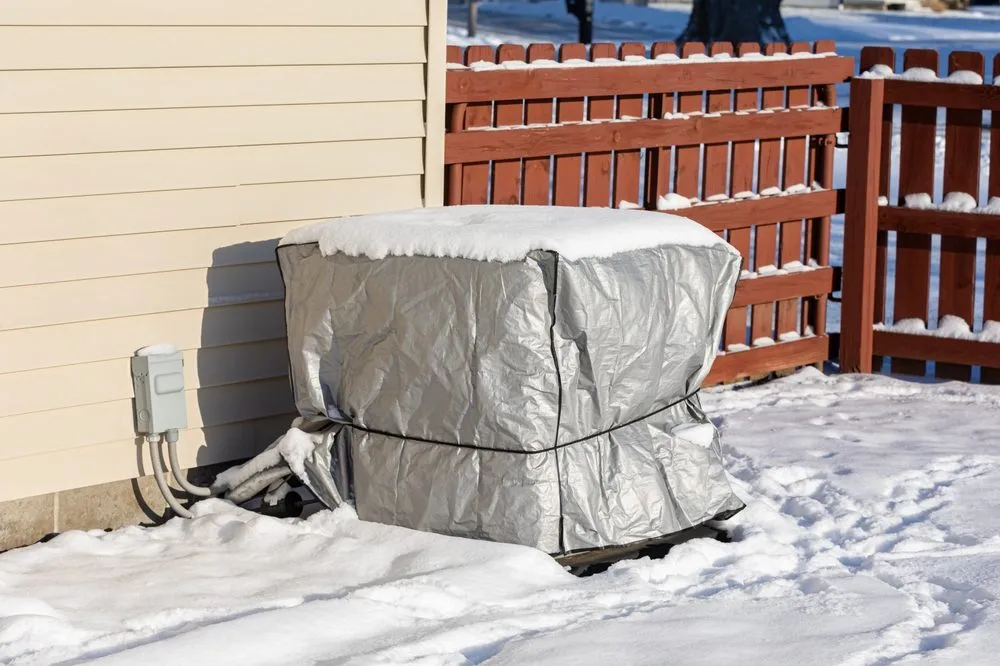
- Consider using a cover for winter (in very snowy areas)
Winter:
- Check the unit after storms
- Remove snow buildup carefully
- Plan for spring professional service
Protective Measures for Your Unit
These simple steps can protect your condenser coils:
- Install a mesh guard to keep out large debris
- Create a small roof or shelter above (but not touching) the unit to block falling debris
- Place the unit on a concrete pad to keep it level and above the soil
- Consider a fence around the unit (with plenty of space for airflow)
- Use a proper winter cover in extreme climates (but never wrap the unit completely)
Benefits of Regular Maintenance
Taking care of your condenser coils pays off in many ways:
- Lower energy bills (dirty coils can increase energy use by 30%)
- More consistent cooling throughout your home
- Fewer breakdowns during hot weather
- Extended system life (possibly 5-10 years longer)
- Better indoor air quality
- Maintained manufacturer warranty (many require regular maintenance)
Regular maintenance is like changing the oil in your car—it’s a small investment that prevents big problems.
HVAC Condenser Coil Care FAQ
How often should I clean my condenser coils?
You should clean your condenser coils at least twice a year. Clean them once in spring before you start using your AC heavily, and again in fall after leaves have fallen. If you live in a dusty area or have lots of trees nearby, you might need to clean them more often, maybe every three months.
Can I use a pressure washer to clean my condenser coils?
No, you should not use a pressure washer on condenser coils. The high pressure can bend the delicate fins and even damage the coils themselves. Instead, use a garden hose with normal water pressure. If you need extra cleaning power, use a soft brush and mild cleaning solution, not more water pressure.
Why is my AC running but not cooling well?
Dirty condenser coils are a common reason why an air conditioner runs but doesn’t cool effectively. When coils are dirty, heat can’t escape from your system properly. Other possible causes include low refrigerant levels, a dirty air filter, or issues with your thermostat. If cleaning the coils and changing the air filter doesn’t help, it’s time to call a professional.
How long do condenser coils typically last?
With proper care, condenser coils can last 10-15 years, which is about the same as the lifespan of the whole AC unit. However, coils in coastal areas (with salt air) or industrial areas might corrode faster. Regular cleaning and maintenance can help your coils reach their full lifespan.
Is it normal for ice to form on my condenser unit?
No, ice on your condenser unit is not normal and indicates a problem. Ice usually forms when airflow is restricted or when refrigerant levels are low. If you see ice, turn off your system and let it thaw completely. Then check for dirty coils or blocked airflow. If the problem returns after cleaning, call a professional, as you might have a refrigerant leak.
Can I cover my AC unit in winter?
You can cover the top of your AC unit in winter to protect it from falling debris and heavy snow, but don’t wrap the whole unit tightly. Units are designed to withstand outdoor conditions, and a completely covered unit can trap moisture inside, leading to rust and providing a home for small animals. If you do cover it, use a breathable, commercial AC cover that just covers the top and allows for airflow.
Taking Care of Your HVAC Condenser Coils
HVAC condenser coil care is one of the most important things you can do to keep your air conditioning system running well. Clean coils help your system cool better, use less energy, and last longer. By following the simple cleaning steps we’ve shared, you can take care of many maintenance tasks yourself.
Remember to clear debris regularly, clean your coils at least twice a year, and keep the area around your unit open for good airflow. For deeper problems like refrigerant leaks or damaged coils, don’t hesitate to call a professional.
Taking care of your HVAC system now saves you money and headaches later. Your future self will thank you when your AC keeps running smoothly during the hottest days of summer!
Need help with your HVAC system’s condenser coils? Kay Plumbing, Heating & Cooling’s experienced technicians can clean, repair, or replace your condenser coils to keep your system running at its best. Contact us today to schedule an appointment and ensure your home stays comfortable all year round!