
Table of Contents
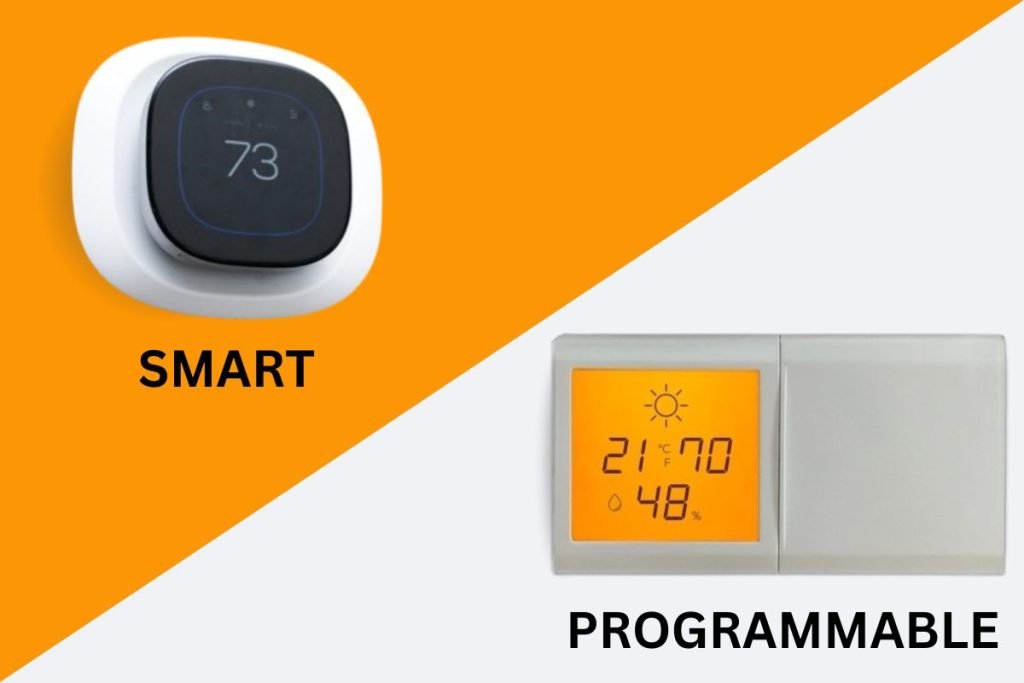
Smart thermostats and programmable thermostats both help control your home’s temperature and save energy, but they work in very different ways. Smart thermostats connect to the internet and learn your habits, while programmable thermostats follow schedules you set manually.
Smart thermostats offer remote control through apps and can adjust automatically based on your behavior. Programmable thermostats are simpler, less expensive, and don’t require an internet connection, but lack advanced features like learning capabilities and remote access.
What Are Smart Thermostats?
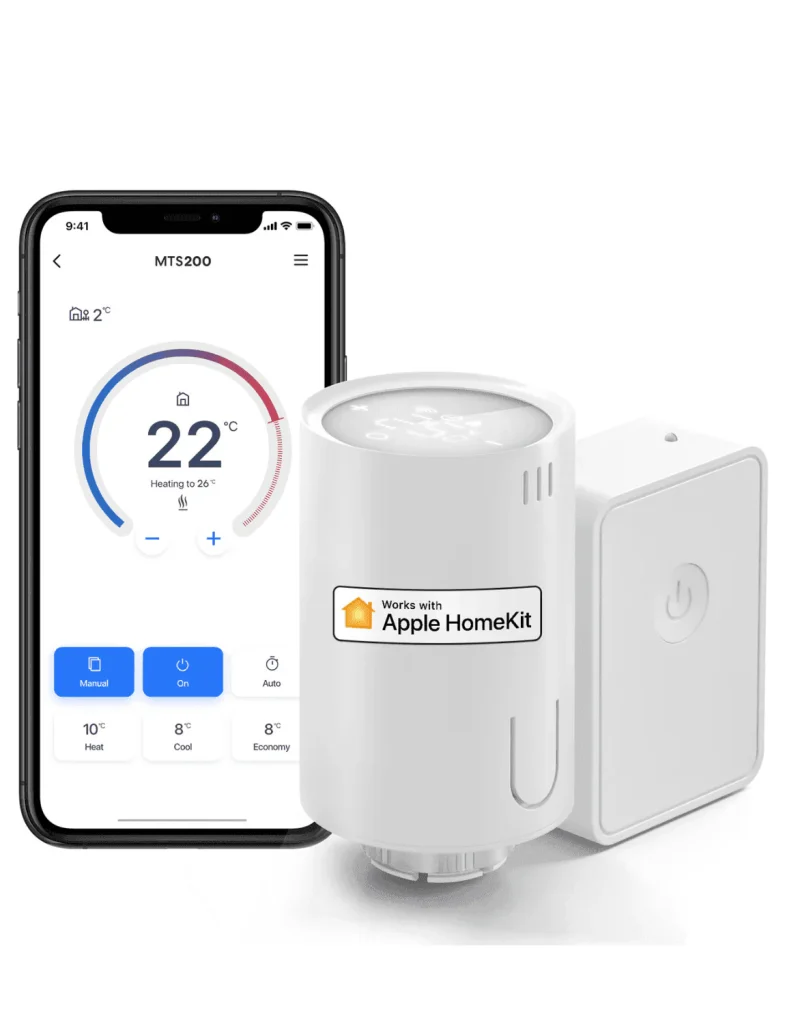
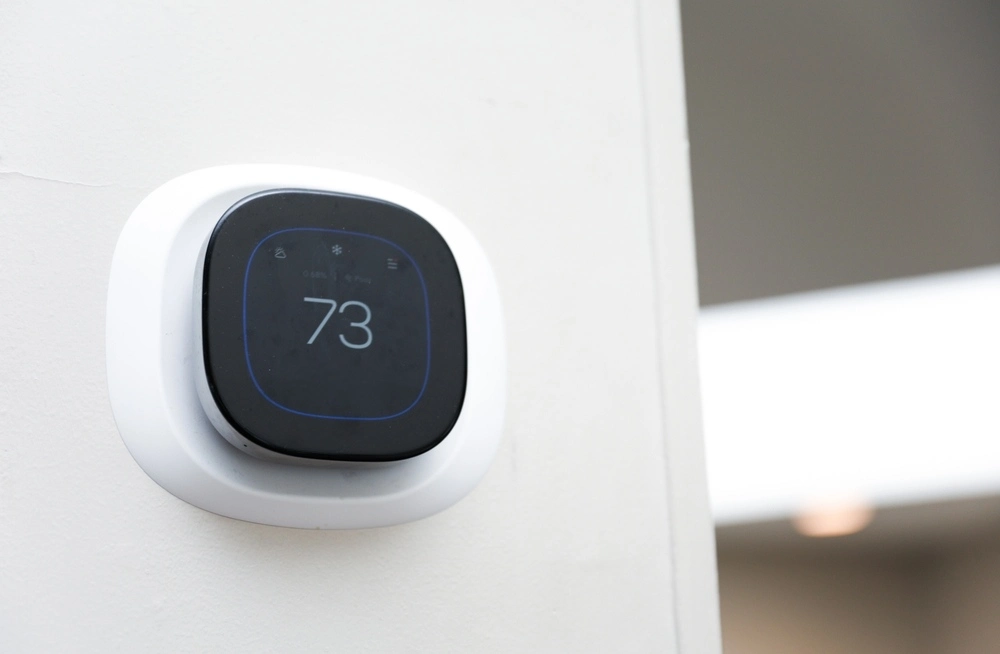
Smart thermostats are the newest type of temperature control devices for your home. They connect to your home’s Wi-Fi network and can be controlled using your smartphone, tablet, or computer. This means you can change your home’s temperature even when you’re not there!
Key Features of Smart Thermostats
Smart thermostats have special abilities that make them different from regular thermostats. Here are some cool things they can do:
- Learning capabilities: They can learn your schedule and preferences over time without you having to program them.
- Remote access: Control your thermostat from anywhere using a smartphone app.
- Voice control: Many work with voice assistants like Amazon Alexa or Google Assistant.
- Energy reports: They show you how much energy you’re using and suggest ways to save.
- Smart home integration: They can work with other smart devices in your home.
Popular Smart Thermostat Brands
There are several good smart thermostats you can choose from:
- Nest Learning Thermostat: Made by Google, it learns your habits and adjusts automatically.
- Ecobee: Comes with room sensors to detect temperature in different areas of your home.
- Honeywell Home: Offers several smart models with different features.
- Amazon Smart Thermostat: Works with Alexa and is more affordable than some other options.
What Are Programmable Thermostats?
Programmable thermostats have been around longer than smart thermostats. They let you set temperature schedules for different times of the day and different days of the week. This helps you save energy by automatically adjusting temperatures when you’re asleep or away from home.

Key Features of Programmable Thermostats
Programmable thermostats have their own set of helpful features:
- Schedule settings: Most allow you to set different schedules for weekdays and weekends.
- Multiple periods: You can usually program 4 different temperature periods each day (morning, day, evening, night).
- Hold function: Lets you temporarily override the schedule without erasing it.
- No internet is required: Works without Wi-Fi or an internet connection.
- Simple interface: Usually has buttons or a small screen for programming.
Types of Programmable Thermostats
There are different kinds of programmable thermostats based on how flexible their scheduling is:
- 7-day models: Let you set a different schedule for each day of the week.
- 5-2 day models: Allow one schedule for weekdays and another for weekends.
- 5-1-1 day models: Have one schedule for weekdays and separate schedules for Saturday and Sunday.
- 1-week models: Use the same schedule every day.
Key Differences Between Smart vs Programmable Thermostats
When comparing smart vs programmable thermostats, several important differences stand out. Understanding these differences will help you decide which type is best for your home and lifestyle.
Connectivity and Control
The biggest difference between smart vs programmable thermostats is how you control them:
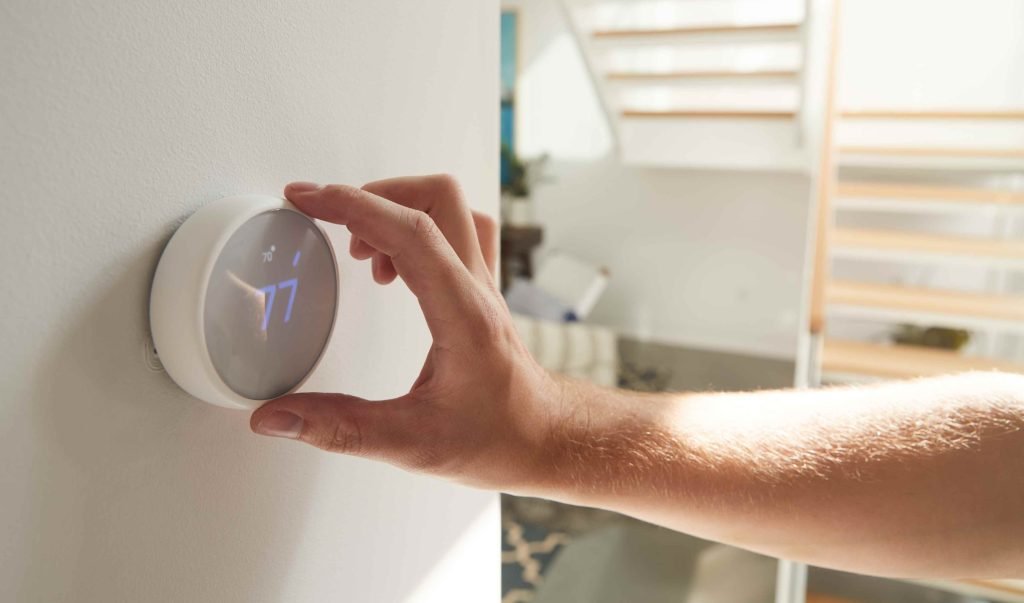
- Smart thermostats: Connect to Wi-Fi and can be controlled from anywhere using a smartphone app. They also work with voice assistants like Alexa or Google Assistant.
- Programmable thermostats: Must be controlled directly at the device. You need to be physically present to make changes to the schedule or temperature.
Learning Capabilities
How they adapt to your lifestyle is another major difference:
- Smart thermostats: Learn your habits over time and can adjust automatically. For example, they might notice you usually turn the heat up at 6 PM and start doing it for you.
- Programmable thermostats: Follow only the exact schedules you program. They don’t adapt or learn on their own.
Installation and Setup
Setting up these thermostats can be quite different:
- Smart thermostats: Usually require a Wi-Fi connection and app setup. Some models might need a C-wire (common wire) for power.
- Programmable thermostats: Simpler to install but can be more complicated to program initially. They don’t need Wi-Fi or internet connection.
Convenience Features Comparison
Here’s a simple comparison chart of features between smart vs programmable thermostats:
| Feature | Smart Thermostat | Programmable Thermostat |
|---|---|---|
| Remote control | Yes | No |
| Learning capability | Yes | No |
| Energy usage reports | Yes | Usually No |
| Works without internet | Limited functionality | Full functionality |
| Voice control | Yes | No |
| Geofencing | Yes | No |
Cost Comparison: Smart vs Programmable Thermostats
Price is often an important factor when choosing between smart vs programmable thermostats. Let’s look at what you can expect to pay for each type.
Initial Purchase Price
There’s a significant difference in how much these thermostats cost to buy:
- Smart thermostats: Usually cost between $100-$300, with premium models costing even more. The most popular models like Nest and Ecobee typically cost around $200-$250.
- Programmable thermostats: Much more affordable, usually between $20-$100. Basic models can be found for as little as $25.
Installation Costs
Beyond the purchase price, you might need to consider installation:
- Smart thermostats: If you’re not comfortable with electrical work or setting up Wi-Fi devices, professional installation might cost $100-$200 extra.
- Programmable thermostats: Professional installation is similar in cost, but many homeowners find these easier to install themselves.
Long-Term Costs and Savings
When comparing smart vs programmable thermostats, it’s important to think about long-term costs:
- Smart thermostats: May have subscription fees for premium features (though most core functions are free). However, they typically save more on energy bills over time.
- Programmable thermostats: No ongoing costs, but may save less on energy bills compared to smart models.
Available Rebates and Incentives
You might be able to get money back for buying an energy-efficient thermostat:
- Smart thermostats: Many utility companies offer rebates of $50-$100 for ENERGY STAR-certified smart thermostats.
- Programmable thermostats: Fewer rebates are available for basic programmable models.
Energy Savings: Which Type Saves More?
Both smart and programmable thermostats can help you save energy, but they do it in different ways. Let’s see which might save you more money on your energy bills.
How Smart Thermostats Save Energy
Smart thermostats have several ways they help reduce energy use:
- Learning algorithms: They learn when you’re home and away, adjusting temperatures automatically.
- Geofencing: They can detect when your phone leaves or enters your home area and adjust accordingly.
- Smart home integration: They can work with other devices like window sensors to optimize heating and cooling.
- Usage reports: They show you how to improve your energy habits.
- Maintenance alerts: They remind you when to change filters or service your HVAC system.
How Programmable Thermostats Save Energy
Programmable thermostats save energy in more basic ways:
- Scheduled adjustments: They follow your pre-set schedule to reduce heating or cooling when you don’t need it.
- Temperature setbacks: They can automatically lower heat or raise cooling temperatures at night or when you’re away.
Actual Savings Comparison
When comparing smart vs programmable thermostats for energy savings:
- Smart thermostats: Manufacturers claim savings of 10-15% on heating and 15-20% on cooling costs. Independent studies suggest actual savings of about 8-10% on total energy bills.
- Programmable thermostats: When used correctly, they can save about 5-10% on energy bills. However, studies show many people don’t program them properly.
The key difference is that smart thermostats are more likely to actually deliver savings because they require less effort from you. Many programmable thermostats end up not saving energy because people find them confusing to program or forget to update them.
Making the Right Choice for Your Home
Choosing between smart vs programmable thermostats depends on your specific needs, budget, and lifestyle. Here’s how to decide which is best for you.
When to Choose a Smart Thermostat
A smart thermostat might be better if:
- You have an unpredictable schedule that changes frequently
- You want to control your thermostat remotely
- You’re comfortable with technology and smartphone apps
- You want detailed energy usage data
- You have other smart home devices you want to connect with
- You’re willing to spend more upfront for greater convenience and potentially more savings
When to Choose a Programmable Thermostat
A programmable thermostat might be better if:
- You have a regular, predictable schedule
- You’re on a tight budget
- You don’t need remote access to your thermostat
- You prefer simpler technology without an internet connection
- You don’t have reliable Wi-Fi
- You’re concerned about privacy and data collection
Compatibility Considerations
Before making your final decision between smart vs programmable thermostats, check:
- HVAC system compatibility: Make sure the thermostat works with your heating and cooling system type.
- Wiring requirements: Some smart thermostats need a C-wire for power.
- Wi-Fi reliability: Smart thermostats need a stable internet connection to use all features.
- Home automation: If you want integration with other smart devices, check compatibility.
Smart vs Programmable Thermostats FAQs
What’s the main difference between smart vs programmable thermostats?
The main difference between smart vs programmable thermostats is that smart thermostats connect to the internet, learn your habits, and can be controlled remotely through apps. Programmable thermostats follow fixed schedules you set manually and don’t have internet connectivity or learning capabilities.
Do smart thermostats really save more money than programmable ones?
Yes, smart thermostats typically save more money than programmable thermostats because they optimize heating and cooling more effectively through learning algorithms and automatic adjustments. Studies show smart thermostats save about 8-10% on energy bills, while programmable thermostats save about 5-10% when used correctly (though many people don’t program them properly).
Can I install a smart or programmable thermostat myself?
Yes, many homeowners can install both smart and programmable thermostats themselves. Most come with clear instructions and often video tutorials. However, if you’re not comfortable with basic electrical work or if your system is complex, it’s better to hire a professional installer.
Will a smart thermostat work if my internet goes down?
Yes, smart thermostats will continue to work if your internet goes down, but with limited functionality. They’ll maintain your basic temperature settings and schedules stored in their memory, but you won’t be able to control them remotely or use features that require an internet connection until service is restored.
Are smart thermostats worth the extra cost?
For many people, smart thermostats are worth the extra cost because of their convenience, energy savings, and advanced features. If you have an irregular schedule, want remote access, or tend to forget to adjust your thermostat, a smart thermostat can pay for itself through energy savings within 1-2 years.
Do programmable thermostats require batteries?
Some programmable thermostats run on batteries, while others draw power from your HVAC system. Battery-powered models typically use AA or AAA batteries that need to be replaced every 6-12 months. Models that connect to your system’s wiring don’t need battery replacement.
Smart vs Programmable Thermostat: Making Your Final Decision
When deciding between smart vs programmable thermostats, think about what matters most to you. Smart thermostats offer convenience, learning capabilities, and potentially higher energy savings, but at a higher price. Programmable thermostats provide basic scheduling at a more affordable cost without requiring an internet connection.
For tech-savvy homeowners with changing schedules who want maximum convenience and energy savings, smart thermostats are usually worth the investment. For those with regular routines who prefer simplicity and lower upfront costs, programmable thermostats can still provide good energy savings when used correctly.
Whichever type you choose, the most important thing is to actually use the features available. Even the most advanced smart thermostat won’t save energy if you constantly override its settings, and even the simplest programmable thermostat can save money if programmed properly.
Ready to upgrade your home’s temperature control system? Contact Kay Plumbing, Heating & Cooling, Heating, and Cooling today to discuss which thermostat option is best for your specific home and needs. We can help with selection, installation, and setup to ensure you get the most comfort and savings from your new thermostat!