
Table of Contents
If your heat pump is making noise, it’s usually due to loose components, airflow issues, or normal operation sounds that seem louder than usual. Most heat pump noises can be fixed by tightening loose parts, cleaning filters, removing debris, or calling a professional for more complex issues.
Normal operating sounds include clicking when starting up, whooshing from airflow, and mild humming from the compressor. However, loud banging, grinding, or high-pitched squealing indicates problems that need immediate attention.
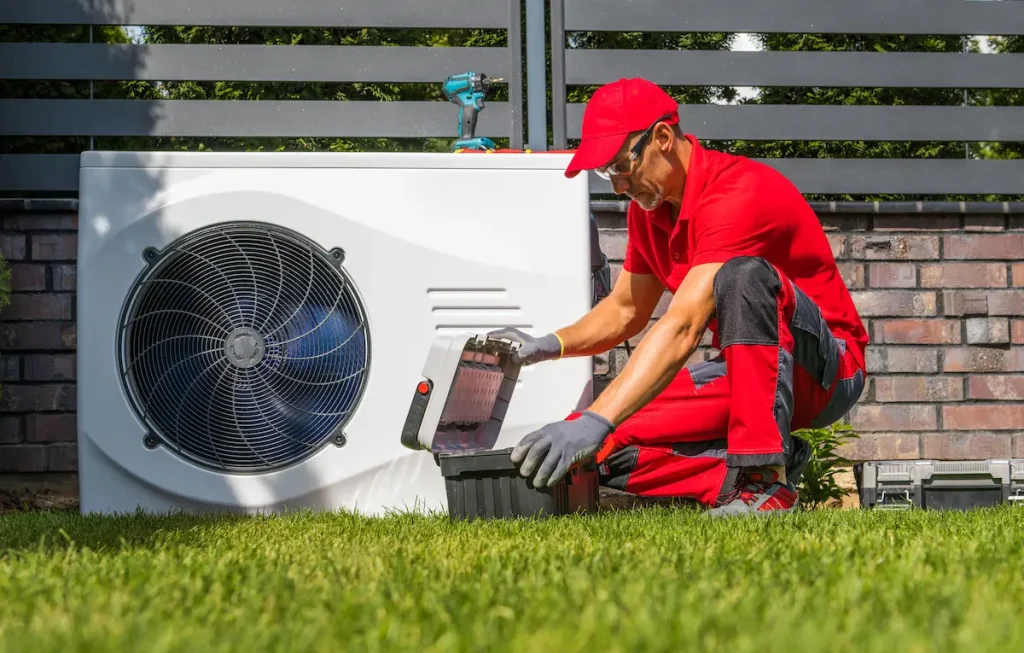
Normal vs. Abnormal Heat Pump Noises
Heat pumps naturally make some noise during operation. Knowing which sounds are normal and which ones signal trouble can save you worry and money.
Normal Heat Pump Sounds
Gentle Humming: A soft, steady humming is the sound of your heat pump’s compressor working. This is completely normal and means your system is running as it should.
Clicking When Starting or Stopping: Brief clicking noises when your heat pump turns on or off are normal. These sounds come from electrical components activating or deactivating.
Whooshing Air: The sound of air moving through vents and ducts is expected. This gentle whooshing means air is flowing properly through your system.
Defrost Cycle Sounds: During cold weather, your heat pump may make different sounds during defrost cycles. You might hear hissing or light sizzling as the unit melts the ice buildup.
Abnormal Heat Pump Sounds
Loud Banging or Clanking: These sounds often mean loose or broken parts inside your heat pump. The fan blade might be hitting something, or internal components could be loose.
Grinding Noises: Grinding usually points to motor bearing problems. This is serious and needs quick professional attention.
High-Pitched Squealing: Squealing often means there’s too much pressure in the compressor or a failing motor bearing. Both require professional help.
Bubbling or Gurgling: While some refrigerant movement noise is normal, loud bubbling might mean a refrigerant leak. This needs professional repair.
Rattling: Rattling sounds usually come from loose screws, panels, or other components. These should be tightened before they cause bigger problems.
Common Heat Pump Noises and Their Causes
Let’s look at specific noises your heat pump might make and what they typically mean.
Banging or Clanking
When your heat pump is making noise like banging or clanking, it often means something is loose or broken inside. The most common causes include:
- Loose fan blades hitting other components
- Damaged compressor parts
- Loose mounting hardware
- Unbalanced blower wheel
These sounds need attention soon because they can lead to bigger, more expensive problems if ignored.
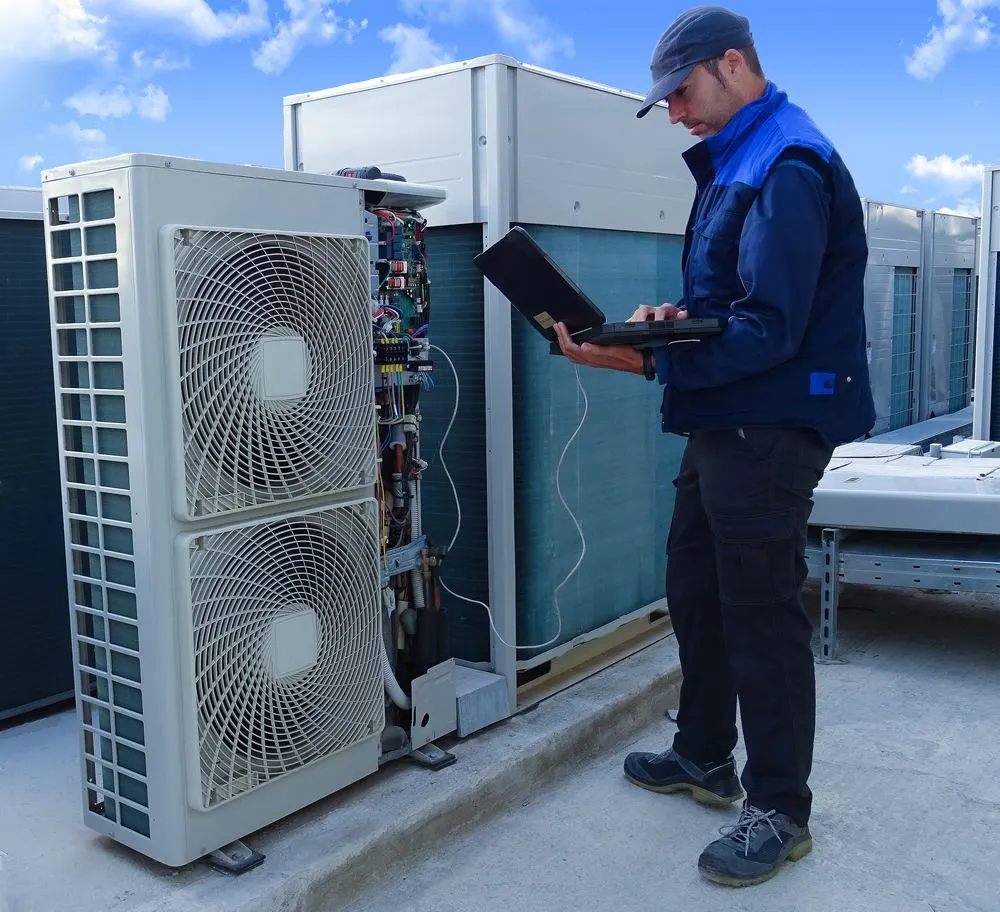
Buzzing or Humming
A loud buzzing that’s stronger than the normal operational hum might indicate:
- Electrical problems
- Loose wiring connections
- Contactor issues in the compressor
- Failing capacitor
- Refrigerant leaks, causing the compressor to work harder
Some buzzing is normal, but if it suddenly gets louder, it’s worth checking out.
Whistling or Screaming
High-pitched whistling or screaming from your heat pump is a serious warning sign. This often means:
- Refrigerant leaks creating high pressure
- Compressor internal valve issues
- Dangerously high internal pressure
If you hear these sounds, turn off your heat pump right away and call a professional. These noises can signal safety hazards.
Rattling Noises
Rattling usually means something is loose, such as:
- Cabinet screws or panels
- Loose fan components
- Debris caught in the unit (like twigs or leaves)
- Copper lines touching the unit or each other
Rattling is often easy to fix but should be addressed before it causes damage.
Grinding Sounds
Grinding noises almost always point to problems with motor bearings. When bearings wear out, metal rubs against metal, creating this distinctive sound. This requires professional repair before the motor fails completely.
DIY Fixes for Noisy Heat Pumps
Before calling a professional, there are several things you can safely check and fix yourself when your heat pump is making noise.
Clean or Replace Air Filters
Dirty filters restrict airflow, making your heat pump work harder and often louder.
- Turn off your heat pump at the thermostat and circuit breaker
- Locate the air filter (usually in the indoor air handler)
- Remove the old filter
- Clean it if it’s reusable, or replace it with a new one
- Make sure the filter fits properly when reinstalling
You should check filters monthly and clean or replace them every 1-3 months.
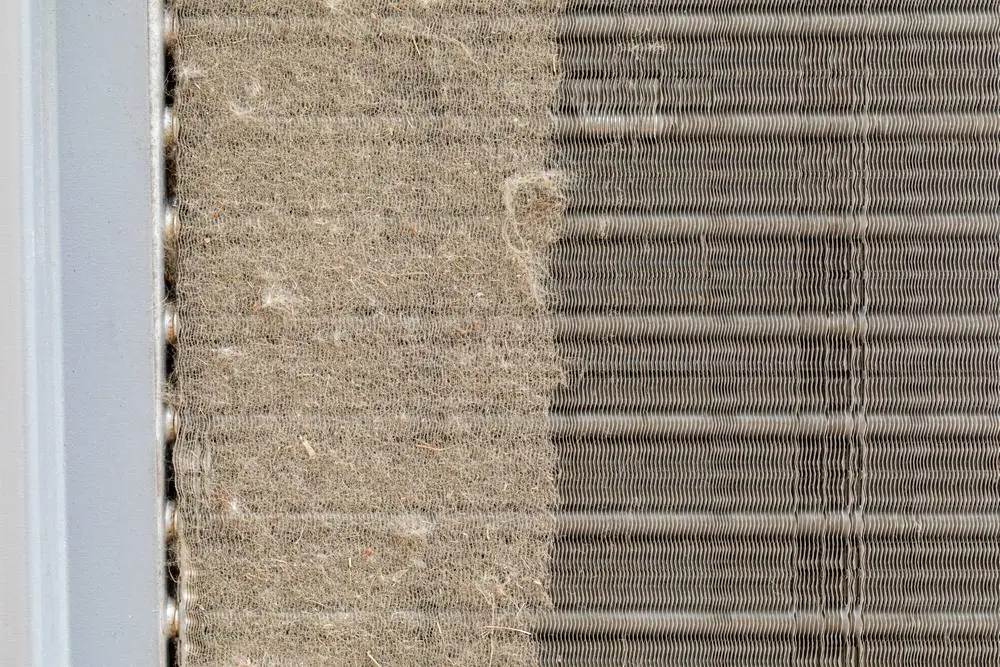
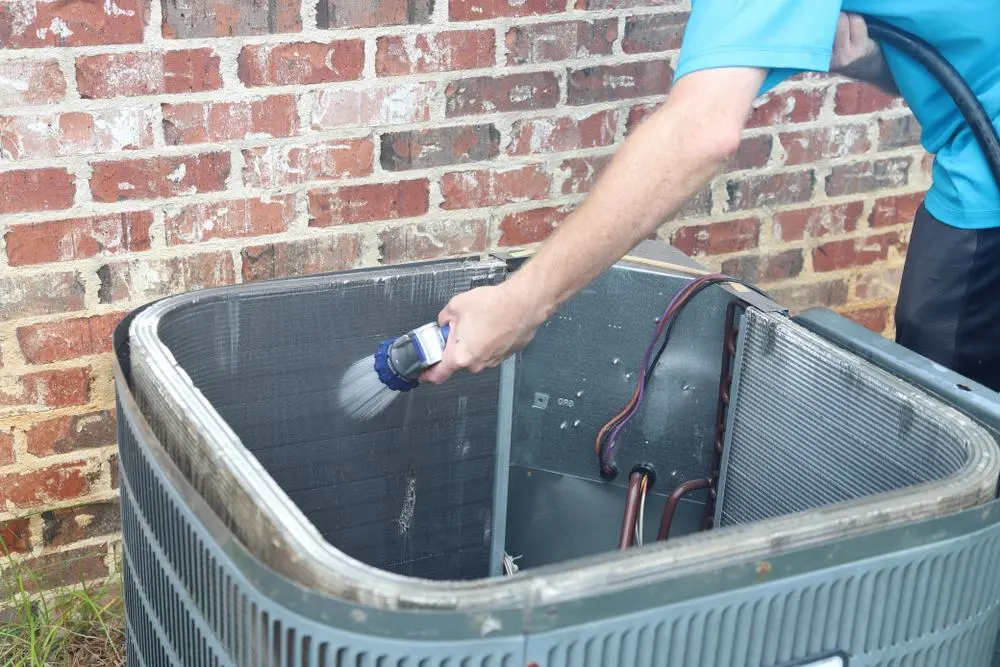
Clear Debris Around Outdoor Unit
Leaves, twigs, grass clippings, and other debris can cause rattling noises and reduce efficiency.
- Turn off the power to the unit
- Remove any visible debris from around and on top of the unit
- Clear at least 2 feet of space around all sides
- Gently clean the exterior fins with a soft brush or vacuum
- Remove any plants growing too close to the unit
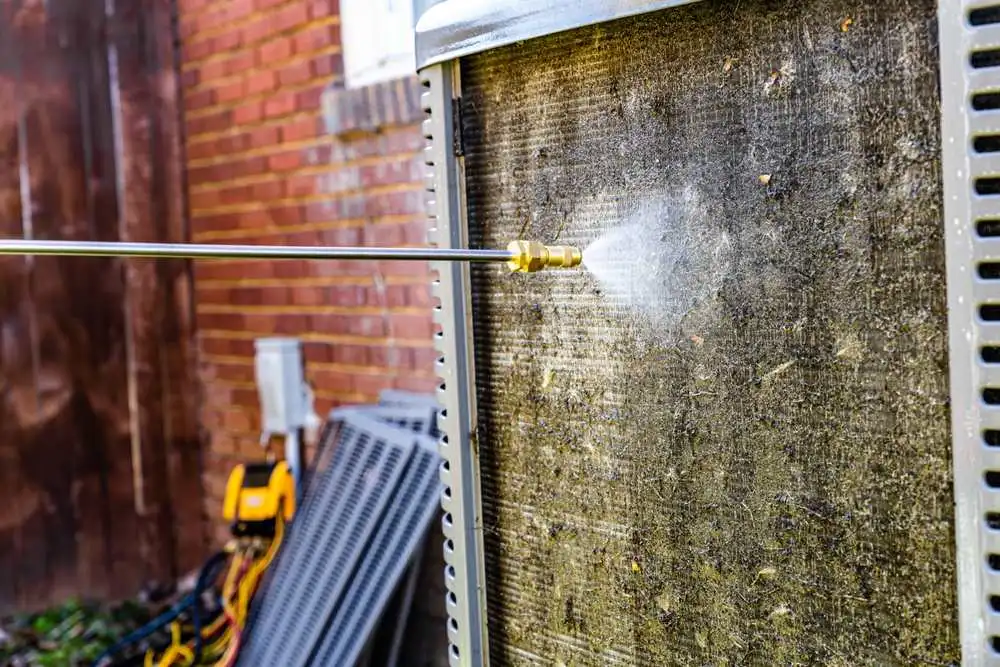
Tighten Loose Components
Many rattling noises come from loose screws or panels.
- Turn off the power to the heat pump
- Check all visible screws on the outer cabinet
- Tighten any loose screws with the appropriate screwdriver
- Make sure access panels are secure
- Check that the unit is level on its pad
Safety tip: Never remove sealed panels or attempt to access internal components unless you’re qualified to do so.
Check and Clean Vents
Blocked or dirty vents can cause whistling noises and airflow problems.
- Remove vent covers in your home
- Vacuum inside the visible portion of the ducts
- Wipe down the vent covers
- Make sure all vents are fully open
- Check that the furniture isn’t blocking any vents
Add Vibration Dampeners
Sometimes, your heat pump is making noise because vibrations travel through mounting brackets or pads.
- Purchase rubber vibration pads from a hardware store
- Place them under the corners of the outdoor unit
- Consider installing a compressor sound blanket (though this is more advanced)
When to Call a Professional
While some heat pump noises can be fixed with DIY methods, others require professional attention. Here’s when to call in the experts.
Signs You Need Professional Help
Call a licensed HVAC technician immediately if:
- Your heat pump is making noise like grinding or high-pitched squealing
- You hear loud banging that doesn’t stop after checking for loose parts
- The unit makes gurgling or hissing sounds that are new or very loud
- Strange noises are accompanied by poor heating or cooling performance
- You smell burning or electrical odors along with unusual noises
- The circuit breaker trips repeatedly when the heat pump runs
These symptoms often indicate internal problems that require specialized tools and knowledge to fix safely.
What to Expect from a Professional Visit
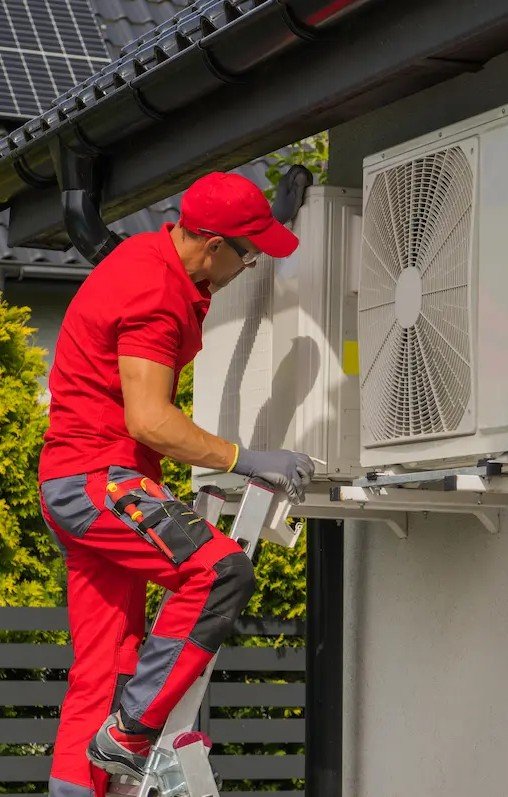
When a technician comes to check why your heat pump is making noise, they’ll typically:
- Listen to the unit in operation to identify the specific noise
- Inspect the entire system, including indoor and outdoor components
- Check refrigerant levels and pressure
- Examine electrical connections and components
- Inspect the compressor, fan motors, and blower
- Test the unit’s operation through a complete cycle
After diagnosis, they’ll explain what’s causing the noise and recommend repairs. Common professional repairs include:
- Replacing worn bearings
- Fixing refrigerant leaks
- Replacing damaged fan blades
- Repairing or replacing the compressor
- Fixing electrical issues
- Rebalancing or replacing the blower wheel
Costs of Professional Repairs
Repair costs vary widely depending on what’s causing your heat pump to make noise:
- Minor repairs (loose parts, simple replacements): $150-$400
- Moderate repairs (fan motor, capacitor): $250-$650
- Major repairs (compressor issues): $800-$2,000+
Getting regular maintenance can help catch problems early when they’re less expensive to fix.
Preventing Heat Pump Noise Problems
The best way to deal with a heat pump making noise is to prevent problems before they start.
Regular Maintenance Schedule
Professional maintenance twice yearly can prevent many noise issues:
- Spring check-up before cooling season
- Fall check-up before heating season
During these visits, technicians will:
- Lubricate moving parts to prevent friction noises
- Check and tighten electrical connections
- Clean coils and components
- Inspect for worn parts before they fail
- Ensure proper refrigerant levels
Homeowner Maintenance Tasks
Between professional visits, you can:
- Change air filters monthly
- Keep the outdoor unit clean and free of debris
- Listen for new or changing noises
- Keep vents unblocked
- Ensure the outdoor unit stays level
Smart Installation Practices
If you’re installing a new heat pump, these choices can reduce noise problems:
- Choose a quality unit with good sound ratings
- Install on a solid, level surface
- Use vibration isolation pads
- Place the outdoor unit away from bedrooms
- Consider sound blankets or barriers for existing units
- Ensure proper sizing – an oversized unit cycles more frequently, creating more noise
Troubleshooting Guide for Heat Pump Noises
Use this quick reference guide when your heat pump is making noise to identify possible causes and solutions.
Noise Identification Chart
| Noise Type | Possible Causes | Recommended Action |
|---|---|---|
| Banging/Clanking | Loose components, damaged fan | Check for loose parts; call a professional if persistent |
| Buzzing/Humming (loud) | Electrical issues, failing parts | Check for loose panels; call a professional for electrical issues |
| Whistling/Screaming | Refrigerant leaks, high pressure | Turn off the unit immediately and call a professional |
| Rattling | Loose hardware, debris | Tighten screws, clear debris |
| Grinding | Motor bearing issues | Call a professional immediately |
| Clicking (excessive) | Electrical component issues | Call a professional for an inspection |
| Gurgling/Hissing | Refrigerant issues | Call a professional to check the refrigerant |
Step-by-Step Troubleshooting Process
When your heat pump is making noise, follow these steps:
- Identify the noise type – Is it banging, buzzing, whistling, etc.?
- Note when it happens – During startup, constantly, when defrosting?
- Check the basics:
- Is the filter clean?
- Is the outdoor unit clear of debris?
- Are any panels or components visibly loose?
- Take appropriate action:
- For minor issues like rattling panels: tighten screws
- For concerning noises like grinding or screaming, call a professional
- For new but mild noises: monitor closely for changes
- Document the issue – Note when it started and any patterns to tell your technician
When Your Heat Pump Is Making Noise in Specific Situations
During Cold Weather:
Heat pumps often make more noise during defrost cycles in winter. Hissing, sizzling, or whooshing during defrost is normal. However, loud banging during defrost is not normal and should be checked.
After Power Outages:
If your heat pump is making noise after a power outage, it might be:
- Normal startup sounds as the system rebalances
- Electrical components are struggling to restart properly
If unusual noises persist more than 15 minutes after power returns, call a professional.
Only at Night:
If you notice more noise at night, it’s often because:
- The environment is quieter, making normal sounds more noticeable
- Temperature changes cause the system to work differently
- The unit might be freezing and defrosting more
FAQ About Heat Pump Noises
Why does my heat pump only make noise at night?
Nighttime is quieter, so normal sounds stand out more. But if the noise is new or getting louder, it’s worth having it checked.
Can a heat pump make noise after a power outage?
Yes, some clicking or buzzing is normal while it resets. If it lasts more than 15 minutes or sounds aggressive, contact a technician.
How do I know if my heat pump noise is actually serious?
If the sound is loud, changes suddenly, or comes with performance issues, it’s a red flag. Grinding, squealing, or banging should be checked immediately.
Will ignoring a noisy heat pump cause long-term damage?
Yes, minor noise often signals parts starting to fail. Waiting too long can turn small repairs into costly breakdowns.
Final Thoughts on Heat Pump Noises
Remember that while some noise is normal, significant changes in your heat pump’s sound usually indicate a problem. Addressing these issues promptly can prevent more expensive repairs and extend your system’s life.
Regular maintenance remains the best way to keep your heat pump running quietly and efficiently. By understanding what’s normal and what’s not, you can catch problems early and keep your home comfortable year-round.
Is your heat pump making noise that’s disrupting your peace and quiet? Don’t wait until a minor issue becomes a major problem. Contact Kay Plumbing, Heating & Cooling, Heating, and Cooling today to schedule a comprehensive inspection. We’ll identify the source of the noise, provide clear solutions, and restore your system to quiet, efficient operation.
Your comfort is our priority—call now to book your appointment and enjoy the peace of mind that comes with a properly functioning heat pump.