
Table of Contents
Introduction
As spring arrives and winter fades away, your water heater deserves some attention after working overtime during the colder months. Spring water heater fixes are essential for ensuring your system continues to operate efficiently and reliably.
Addressing small issues now can prevent major breakdowns later, saving you time, money, and the inconvenience of cold showers. This guide will walk you through everything you need to know about maintaining your water heater this spring.
Why Spring Maintenance Matters
Spring is the ideal time to check your water heater after the heavy demands of winter. During winter months, water heaters work harder as they battle colder incoming water temperatures and increase hot water usage. This extra strain can accelerate wear and tear on components, making spring the perfect opportunity to address any developing issues.
Regular spring water heater fixes and maintenance can extend your unit’s lifespan by up to 3-5 years. According to the U.S. Department of Energy, proper maintenance can also improve energy efficiency by 10-15%, reducing your utility bills. Additionally, catching small problems early prevents them from developing into costly emergency repairs.
Common Water Heater Problems in Spring
Sediment Buildup
Sediment accumulation is one of the most common issues affecting water heaters after winter. Minerals from hard water settle at the bottom of your tank, creating an insulating layer that forces your heater to work harder. This can cause popping or rumbling noises as water bubbles through the sediment.
Signs of sediment buildup include:
- Reduced hot water capacity
- Longer heating times
- Strange noises during operation
- Higher energy bills despite normal usage
Pressure Relief Valve Issues
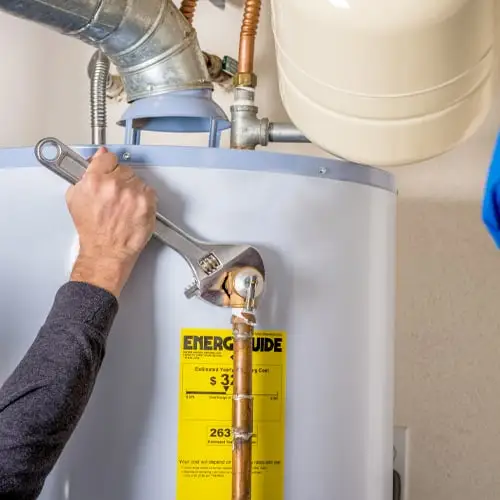
The temperature and pressure relief valve (T&P valve) is a critical safety component. During spring water heater fixes, checking this valve should be a priority. After winter, these valves can sometimes stick or fail due to mineral buildup or wear.
A malfunctioning T&P valve may:
- Leak constantly
- Fail to open when needed
- Become stuck in the open position
- Show signs of corrosion or mineral deposits
Thermostat Problems
Thermostats can sometimes malfunction after the winter season. Incorrect calibration might leave you with water that’s too hot (wasting energy) or too cold (causing discomfort). According to a Johns Hopkins University study, keeping your water heater at 120°F provides the best balance between safety and performance.
DIY Spring Water Heater Fixes
Flushing Your Water Heater
One of the most important spring water heater fixes is flushing the tank to remove sediment buildup. This simple maintenance task can significantly improve efficiency and extend your heater’s lifespan.
To flush your water heater:
- Turn off the power supply (for electricity) or set it to pilot (for gas).
- Turn off the cold water supply to the heater.
- Connect a garden hose to the drain valve at the bottom of the tank.
- Open the valve and allow water to drain until it runs clear.
- Close the valve, disconnect the hose, restore the water supply, and turn the power back on.
Safety note: Always ensure the power is completely off before performing any maintenance on your water heater.
Testing the Pressure Relief Valve
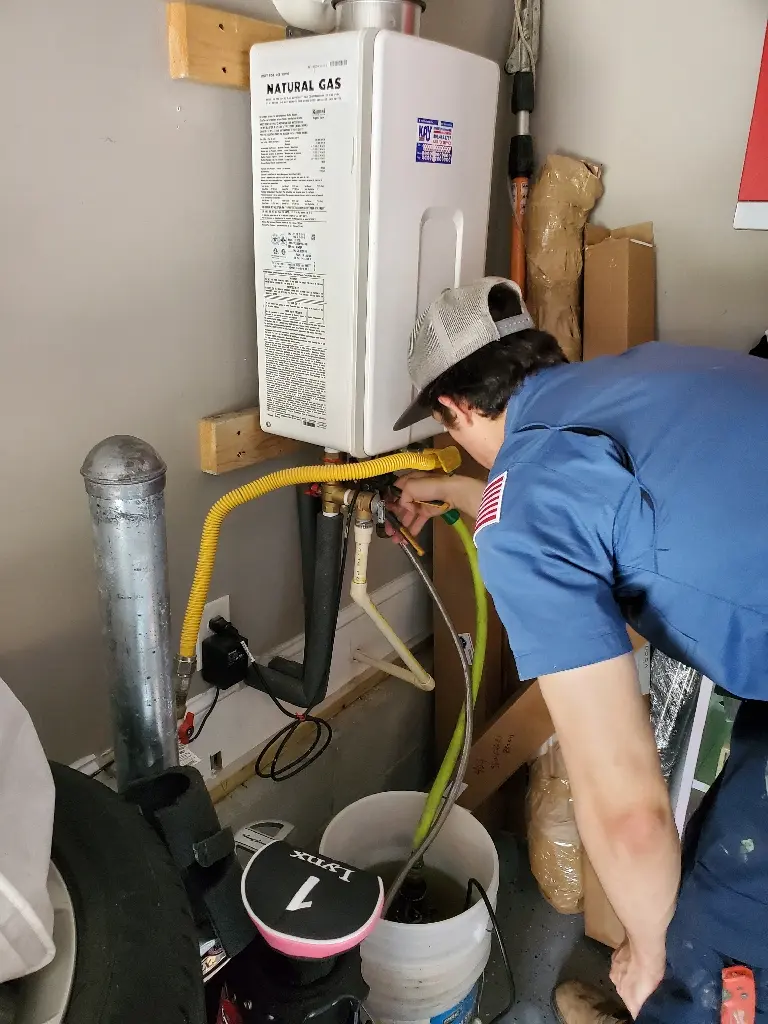
Testing your T&P valve is a quick spring water heater fix that ensures this important safety feature is working properly.
Follow these steps:
- Place a bucket under the discharge pipe connected to the valve.
- Gently lift the valve’s lever halfway and release it.
- You should hear a gurgling sound as water is released into the discharge pipe.
- If little or no water comes out, or if it doesn’t stop, the valve needs replacement.
Checking the Anode Rod
The anode rod sacrifices itself to prevent tank corrosion. Inspecting it during your spring water heater fixes routine can add years to your tank’s life.
To check the anode rod:
- Shut off power and water supply
- Locate the hex head of the anode rod (usually on top of the heater)
- Use a socket wrench to unscrew it
- Replace if more than 6 inches of the core steel wire is exposed or if it’s less than 1/2 inch thick
When to Call a Professional
While DIY spring water heater fixes can address many common issues, some problems require professional expertise. According to HomeAdvisor, attempting complex repairs without proper training can void warranties and create safety hazards.
Call a professional plumber if you notice:
- Rusty water that doesn’t clear after flushing
- Consistent leaking around the base of the heater
- Failure to heat water despite proper power supply
- Strange sounds that persist after flushing
- Significant drops in hot water pressure throughout your home
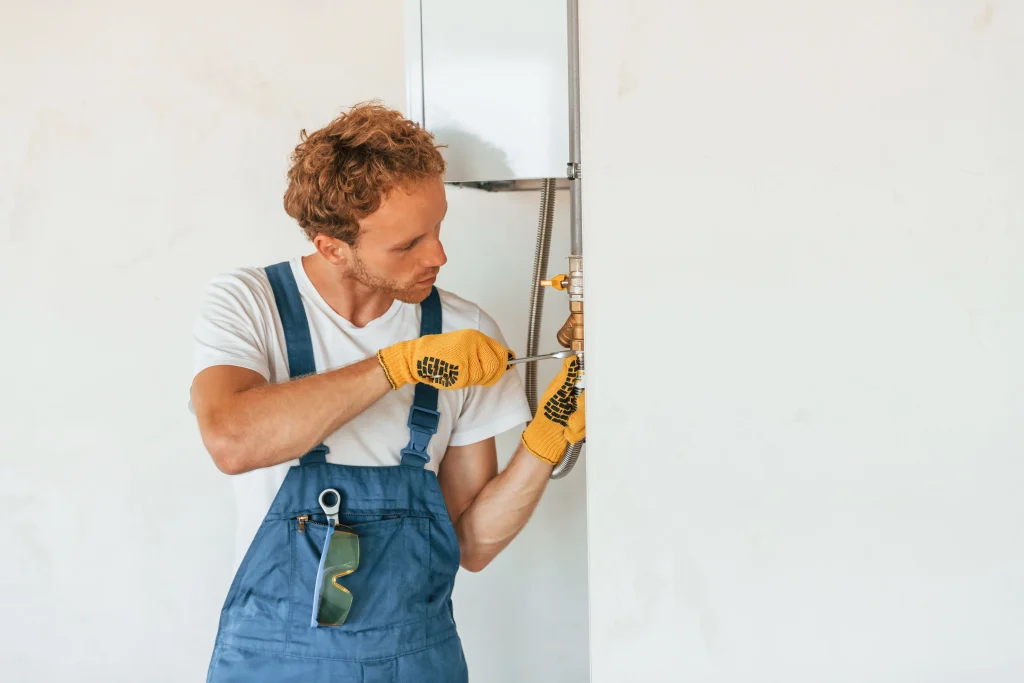
Professional plumbers have specialized tools to diagnose problems that might not be apparent to homeowners. They can also perform more complex spring water heater fixes like replacing heating elements, thermostats, or addressing gas line issues safely.
Upgrading Your Water Heater
Spring is an excellent time to consider upgrading an aging water heater. Most standard water heaters last 8-12 years, according to the International Association of Certified Home Inspectors. If yours is approaching this age range, replacement might be more economical than continuing repairs.
Modern options to consider include:
| Water Heater Type | Advantages | Disadvantages | Energy Savings |
| Tankless | Endless hot water, space-saving, longer lifespan (20+ years) | Higher upfront cost, may require electrical upgrades | 24-34% for homes using <41 gallons daily |
| Heat Pump | Very efficient, lower operating costs | Requires specific installation location, higher upfront cost | Up to 63% compared to standard electric |
| Solar | Minimal operating costs, eco-friendly | Weather dependent, highest upfront investment | 50-80% depending on climate |
| High-Efficiency Tank | Familiar operation, moderate cost | Still has standby heat loss | 7-14% compared to standard models |
Water Conservation Tips
As part of your spring water heater fixes, consider implementing water conservation measures. Efficient water use reduces the workload on your heater and lowers utility bills.
Easy conservation steps include:
- Insulating hot water pipes to minimize heat loss during delivery
- Installing low-flow fixtures that reduce hot water consumption by up to 60%
- Scheduling high hot water activities (laundry, dishwashing, showers) with breaks in between to allow the heater to recover
- Repairing dripping hot water faucets promptly (a faucet dripping one drop per second wastes 1,661 gallons annually)
These simple changes can reduce the demand on your water heater while supporting environmental conservation efforts. According to the EPA, the average family can save 2,700 gallons of water per year by implementing basic water-saving practices.
Spring Water Heater Fixes Checklist
Use this convenient checklist to ensure you’ve covered all essential spring water heater fixes:
- Flush tank to remove sediment
- Test temperature and pressure relief valve
- Inspect anode rod condition
- Check for leaks around connections
- Verify thermostat settings (120°F recommended)
- Insulate hot water pipes
- Clear area around heater for proper ventilation
- For gas heaters: check venting system and gas line connections
- For electric heaters: inspect wiring connections
- Consider a professional maintenance appointment for comprehensive service
Completing this checklist helps ensure your water heater operates efficiently through the coming seasons. A small investment of time now prevents inconvenient breakdowns later.
Frequently Asked Questions
How often should I flush my water heater?
For most households, flushing your water heater annually during your spring water heater fixes routine is sufficient. However, if you have hard water, you might benefit from flushing twice a year. Signs that more frequent flushing is needed include reduced hot water output, unusual noises, or visible sediment in your hot water.
Why is my water heater making popping noises?
Popping or rumbling sounds typically indicate sediment buildup at the bottom of the tank. As water heats, it creates bubbles that rise through the sediment layer, causing these distinctive sounds. This is a clear sign that your water heater needs flushing as part of your spring water heater fixes.
Should I turn my water heater temperature down for spring?
While you might use less hot water in warmer months, keeping your water heater at 120°F year-round is recommended. This temperature prevents harmful bacteria growth while avoiding scalding risks. Lowering it further may save minimal energy but could create health hazards.
How do I know if my water heater needs replacement rather than repairs?
Consider replacement as part of your spring water heater fixes if your unit is over 10 years old and showing multiple issues, rust-colored water persists after flushing, the tank is leaking, or repair costs exceed one-third of replacement. A professional inspection can help you make this decision.
Can I perform spring water heater fixes myself if I have a tankless unit?
While some maintenance tasks for tankless units can be DIY (like cleaning external filters), most spring water heater fixes for tankless systems require professional service. These systems have complex components and often need specialized descaling procedures to remove mineral buildup from heat exchangers.
Conclusion
Taking time for spring water heater fixes ensures your system runs efficiently all year long. Regular maintenance extends your water heater’s lifespan, improves energy efficiency, and prevents unexpected cold showers. By following the steps outlined in this guide, you’ll save money while ensuring reliable hot water for your family.
Ready to give your water heater the professional attention it deserves? Kay Plumbing, Heating & Cooling’s certified technicians specialize in comprehensive spring water heater fixes and can help with everything from routine maintenance to complex repairs or system upgrades. Book your appointment today and enjoy worry-free hot water all year long.