
Table of Contents
Spring Is Here: Prepare Your Plumbing
After a long winter, your home’s plumbing system needs attention before the warmer months arrive. Spring plumbing prep is crucial for preventing costly emergencies and ensuring your system runs efficiently all season. This guide will walk you through everything you need to know about preparing your plumbing for spring, helping you protect your home, and saving money in the long run.
Why Spring Plumbing Prep Matters
Spring plumbing prep isn’t just another item on your seasonal to-do list—it’s an investment in your home’s health and your family’s comfort. Winter’s freezing temperatures and fluctuating conditions can put significant stress on your plumbing system, creating hidden issues that might only become apparent when it’s too late. Taking preventative action now can help you avoid emergency calls and expensive repairs later.
For homeowners who take pride in maintaining their property, proper plumbing maintenance reflects your commitment to protecting your investment. Studies show that proactive plumbing maintenance can extend the lifespan of your system by up to 10 years, according to EPA estimates. Additionally, addressing small issues early can prevent water damage that costs American homeowners an average of $3,000 per incident to repair.
Your Spring Plumbing Checklist
Starting your spring plumbing prep with a comprehensive checklist ensures you won’t miss any critical areas. Here’s what every homeowner should check as the weather warms up:
- Inspect visible pipes: Look for cracks, leaks, or signs of corrosion on exposed pipes throughout your home. Even small drips can indicate larger problems developing behind walls or under floors.
- Check water pressure: Test your water pressure throughout the house. Low pressure might signal pipe obstructions, while sudden high pressure can damage appliances and fixtures.
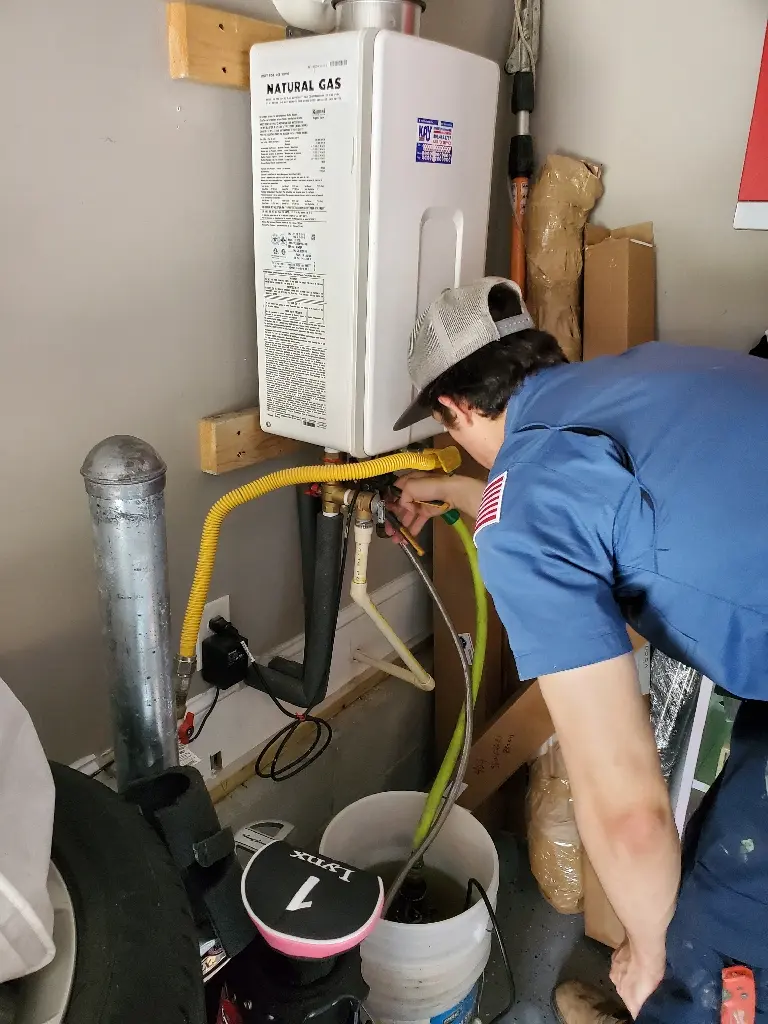
- Examine water heater: Flush your water heater to remove sediment buildup that occurs during winter. This improves efficiency and extends the life of this essential appliance.
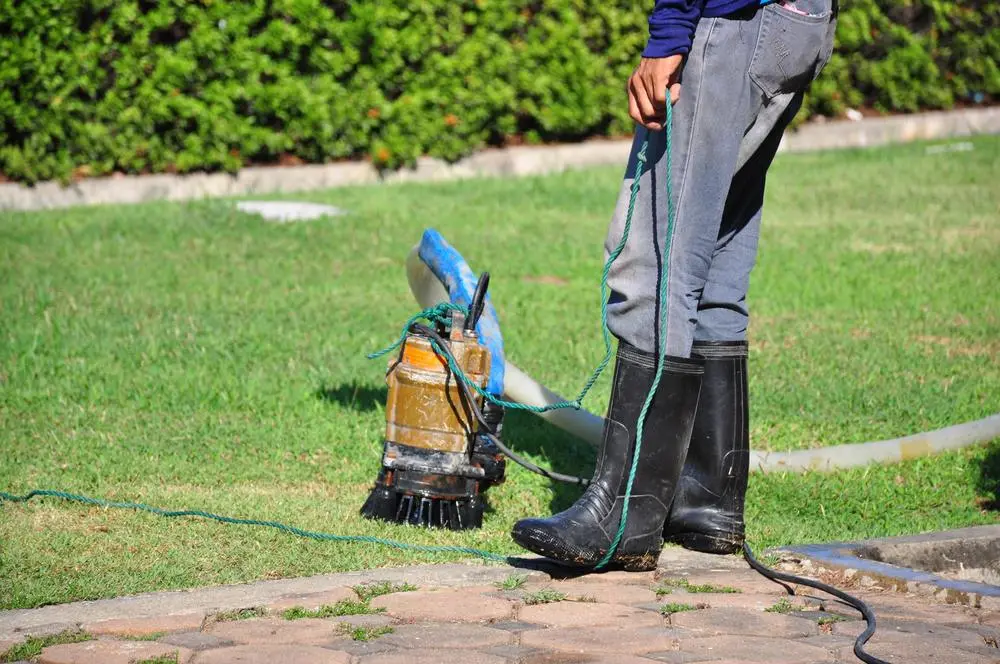
- Test sump pump: Pour water into the sump pit to ensure the pump activates and properly discharges water. Spring rains are coming, and you need this system to work flawlessly.
- Clean gutters and downspouts: Remove debris to prevent water from backing up onto your roof or around your foundation, which can lead to leaks and water damage.
Completing these checks takes just a few hours but can save you significant time, money, and stress throughout the spring and summer months. According to Consumer Reports, regular maintenance can prevent up to 70% of plumbing failures.
Outdoor Plumbing Preparation
Your outdoor plumbing is particularly vulnerable after winter and requires special attention during spring plumbing prep. Start by carefully inspecting all outdoor faucets and hose bibs for freeze damage. Turn each one on to verify proper water flow and check for leaks around handles and connections.
Sprinkler systems need thorough inspection before their first use of the season. Look for damaged heads, leaking valves, and proper coverage patterns. Consider having your backflow prevention device professionally tested as part of your spring plumbing prep routine—this is not just good practice but is often required by local regulations.
Don’t forget to check drainage areas around your property. Clear any debris from yard drains, French drains, and other drainage systems. Proper drainage prevents water from pooling near your foundation, which can lead to basement leaks and structural damage over time.
Indoor Plumbing Maintenance
Inside your home, spring plumbing prep should focus on the fixtures and systems you use daily. Start with your toilets—check for leaks by adding food coloring to the tank and seeing if it appears in the bowl without flushing. A leaky toilet can waste up to 200 gallons of water daily, according to the American Water Works Association.
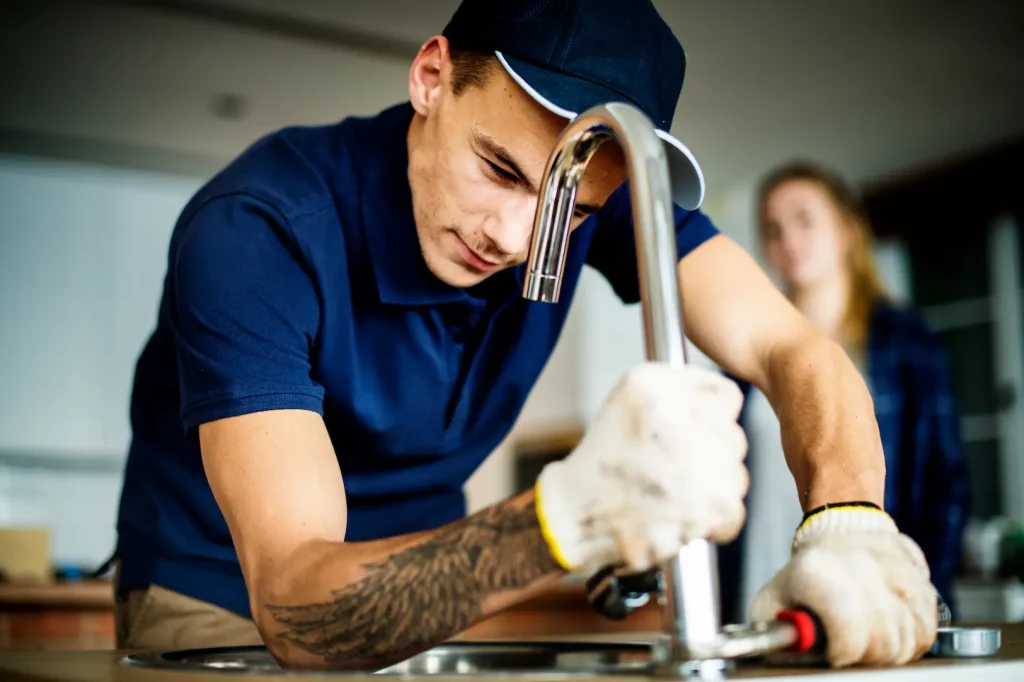
Next, inspect all faucets and showerheads for leaks or mineral buildup. A simple mixture of vinegar and water can dissolve mineral deposits that affect water flow. Remember to check under sinks for any signs of leaks or water damage—these hidden areas often reveal problems before they become major issues.
Your water-using appliances also need attention during spring plumbing prep:
- Dishwasher: Clean the filter and check the hoses for cracks or leaks.
- Washing machine: Examine supply hoses for bulging or cracking and replace them if they’re more than 5 years old. Consider upgrading to stainless steel-braided hoses for better durability.
- Refrigerator water line: Ensure the connection is secure and look for any signs of leakage around the water dispenser or ice maker.
Water Efficiency Upgrades
Spring is the perfect time to consider water efficiency upgrades as part of your plumbing prep. Modern, efficient fixtures not only conserve water but also reduce your utility bills. Low-flow faucets and showerheads can reduce water usage by up to 30% without sacrificing performance.
For homeowners concerned about water conservation, consider installing a smart water monitor. These devices connect to your plumbing system and alert you to unusual usage patterns or potential leaks. Many can even automatically shut off your water in case of a major leak, providing peace of mind especially for families with busy schedules.
Toilet upgrades offer some of the best returns on investment in water savings. Replacing older models with WaterSense-labeled toilets can save a family of four over 16,000 gallons of water annually, according to the EPA’s WaterSense program. During your spring plumbing prep, evaluate whether your toilets might be due for an upgrade.
When to Call a Professional
While many spring plumbing prep tasks are perfect for DIY-minded homeowners, some situations call for professional expertise. If you notice any of these warning signs, it’s time to contact a qualified plumber:
- Persistent low water pressure throughout your home
- Water heater making unusual noises or not heating properly
- Multiple slow-draining fixtures
- Sewage odors inside or outside your home
- Water meter running when all fixtures are turned off
- Discolored water coming from taps
- Unexplained increases in your water bill
Professional plumbers have specialized tools like video inspection equipment that can identify problems hidden within your pipes. During spring plumbing prep, a professional inspection every 2-3 years is a wise investment that can identify potential issues before they become costly emergencies.
Spring Plumbing Prep Timeline
Timing your spring plumbing prep tasks correctly ensures you’ll be ready for the season ahead. Here’s a suggested timeline to follow:
| Timing | Tasks to Complete |
| Early Spring (March) | • Inspect outdoor faucets and spigots • Check for visible leaks • Test sump pump functionality |
| Mid-Spring (April) | • Flush water heater
• Clean gutters and downspouts • Inspect sprinkler system |
| Late Spring (May) | • Check washing machine hoses
• Consider efficiency upgrades • Schedule professional inspection if needed |
Following this timeline spaces out your spring plumbing prep tasks to make them more manageable while ensuring your system is fully prepared before summer heat arrives. Remember that being proactive with maintenance now prevents reactive emergency calls later.
Remember to document your spring plumbing prep activities. Keeping records of when you performed maintenance tasks helps track your system’s health over time and provides valuable information should you ever sell your home.
Frequently Asked Questions
How often should I check my water pressure during spring plumbing prep?
Check your water pressure at least once during your spring plumbing prep. Normal residential water pressure should be between 40-60 PSI. Pressures consistently above 60 PSI can damage your plumbing system and appliances over time.
What’s the best way to prevent basement flooding during spring rains?
Ensure your sump pump is working properly, clean gutters and downspouts, check that the ground slopes away from your foundation, and consider installing a battery backup for your sump pump system. These steps are crucial parts of complete spring plumbing prep.
How can I tell if my pipes experienced freeze damage over winter?
Look for decreased water flow, water discoloration, unusual sounds when running water, or visible cracks and bulges in exposed pipes. If you suspect freeze damage, address it promptly during your spring plumbing prep to prevent more serious issues.
Is professional drain cleaning necessary every spring?
Not necessarily. However, if you notice multiple slow drains or recurring clogs, professional drain cleaning as part of your spring plumbing prep can prevent bigger problems. Most homes benefit from professional drain cleaning every 1-2 years.
When should I turn on my outdoor irrigation system?
Wait until the threat of freezing temperatures has passed, typically mid-to-late spring depending on your location. Before full activation, inspect the system thoroughly as part of your spring plumbing prep routine.
Spring into Action with Your Plumbing Prep
Spring plumbing prep is an essential part of responsible home ownership that protects your investment and provides peace of mind. By following this guide, you’re taking proactive steps to ensure your plumbing system serves you reliably throughout the warmer months ahead. Don’t wait for problems to appear—preventative maintenance is always less expensive than emergency repairs.
Ready to get expert help with your spring plumbing prep? Kay Plumbing, Heating & Cooling‘s experienced technicians can provide comprehensive inspections, address any concerns, and help you implement water-saving upgrades that benefit both your home and the environment. Contact us today to schedule your professional spring plumbing checkup and enjoy worry-free plumbing all season long.