
Expert Tips on Water Heater Replacement
That rumbling from your basement isn’t always the dryer. Sometimes, it’s a warning sign that your trusty water heater is nearing its end. When is it time to replace your water heater?
It’s a question many homeowners face, often putting it off until a cold shower jolts them into action. This comprehensive guide will help you answer this question so you can make a proactive decision and avoid a plumbing emergency.
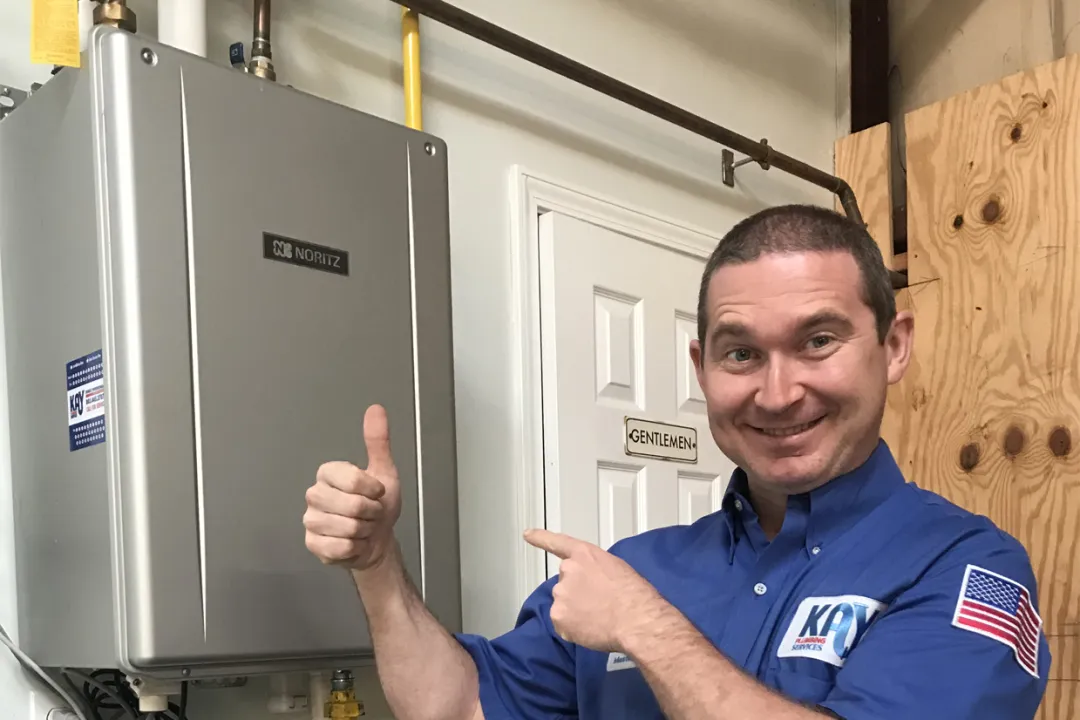
Decoding Your Water Heater’s Age
Like any appliance, water heaters have a limited lifespan. Tank water heaters typically last 8-12 years. Tankless water heaters have a longer heater lifespan, often exceeding 20 years.
But how can you tell how old your unit is? The water heater serial number holds the key. This isn’t a random string of characters; it contains coded information about the manufacturing date. Look for resources such as the Building Intelligence Center to determine your heater’s serial number’s age.
You can also check your manufacturer’s site. If your tank heater is over ten years old, start thinking about a heater replacement.
Telltale Signs Your Water Heater is on Its Last Legs
Even if your water heater isn’t that old, certain symptoms indicate it’s time for a water heater replacement. Ignoring these warning signs can lead to an inconvenient and costly breakdown. These signs are crucial when considering when to replace your water heater.
Rusty Water
Rust-colored water isn’t just unsettling; it signals corrosion inside your tank. This rust can contaminate your water supply. If left unchecked, corrosion could lead to leaks and the need for water heater repair. 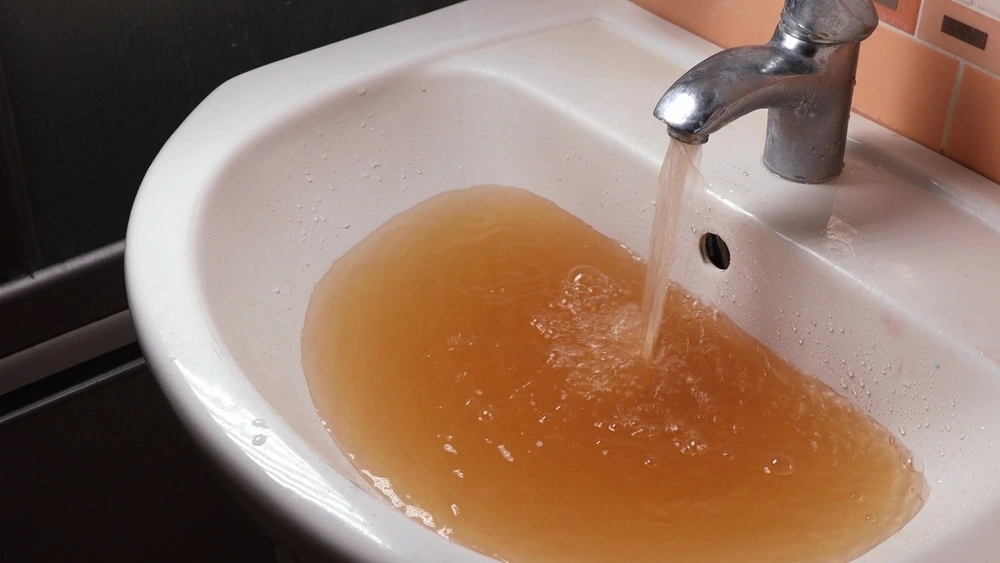
Rumbling Noises
If your water heater sounds like a monster truck rally, it’s often due to sediment buildup. Over time, minerals in your water settle and harden at the bottom of the heater tank.
When heated, this sediment bangs against the interior. These rumbling noises, while seemingly minor, strain your water heater and hint at future problems.
Lukewarm Showers
Consistently lukewarm or cold water is a sure sign your water heater is failing. A failing heating element is a common culprit. Excessive sediment can also prevent proper heating.
Leaks
A leaking water heater is a plumbing emergency. It signals imminent failure. A leak could also quickly cause extensive water damage to your home.
When Is It Time to Replace Your Water Heater? A Proactive Approach
Beyond the obvious warning signs, a proactive approach is often best. If your water heater is nearing its expected lifespan, consider replacing it before disaster strikes.
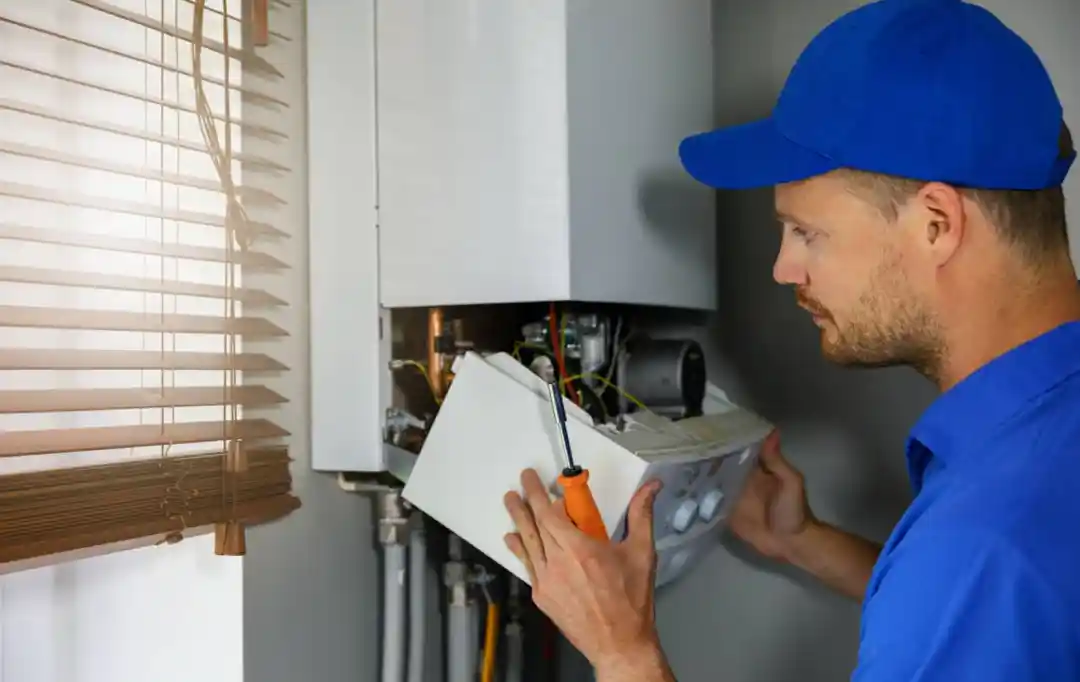
This proactive replacement can save you money on energy. It can also prevent costly water damage to your home and belongings while providing peace of mind and hot showers. Check for available federal tax credits on new, energy-efficient water heaters.
Choosing the Right Replacement
Once you’ve determined it’s time to replace your water heater, the next step is selecting the right model. Understanding the pros and cons of tank vs. tankless water heaters can help you make the best choice for your home.
Tankless Water Heaters: Energy Efficiency & Continuous Hot Water
Pros:
- Energy-efficient – Heats water only when needed, reducing standby heat loss.
- Continuous hot water – No running out, even during high usage.
- Longer lifespan – Lasts up to 20 years, nearly double the life of tank models.
- Space-saving design – Compact and wall-mounted, freeing up storage space.
Cons:
- Higher upfront cost – More expensive than traditional models.
- Installation requirements – May need electrical or gas line upgrades.
Tank Water Heaters: Lower Cost & Simpler Installation
Pros:
- Lower initial cost – More affordable than tankless options.
- Easier installation – Works with existing plumbing, avoiding major upgrades.
- Reliable supply – Stores hot water for immediate use.
Cons:
- Less energy-efficient – Uses energy to keep water hot, even when not in use.
- Shorter lifespan – Typically lasts 10-15 years.
- Limited capacity – Can run out of hot water during peak use.
Making the Best Choice
When choosing a replacement, consider:
- Household size & water usage – Large families may benefit from a tankless system.
- Budget – If cost is a concern, a tank model may be a better short-term solution.
- Energy efficiency – A tankless unit saves money in the long run on utility bills.
By evaluating these factors, you can select the best water heater for your needs and budget, ensuring reliable hot water and long-term efficiency.
Conclusion
Knowing when to replace your water heater involves understanding the warning signs, such as rusty water, rumbling noises, lukewarm showers, and leaks. It also means recognizing the importance of maintaining water heating systems.
Replacing an aging water heater can save you money and ensure hot showers for years to come. Armed with this information, you can confidently decide when it’s time for a new water heater.
Contact us today for more information or to schedule a free consultation.