
Enjoy Hot Showers Without Any Complications
Brrr. It’s cold outside, and you might notice your water heater working harder. There are specific reasons why water heaters struggle in cold weather. You might take longer showers trying to warm up or wonder why the dishes aren’t as clean. This post tackles those chilly challenges, explaining why your water heater struggles in cold weather and offers ways to keep your water flowing hot all winter.
The Science Behind the Struggle During Cold Weather
Ever notice how much colder tap water feels in winter? That’s your first clue to why water heaters struggle as temperatures drop. Incoming water in winter is much colder than in other seasons because of the groundwater temperature. This means your hot water tank has to work overtime to bring that frigid water up to your set water temperature.
The Incoming Water Temperature
Water heaters use energy to heat water. The colder the input, the more energy is needed. Think of boiling water – a pot of ice water takes longer than room-temperature water.
Similarly, a water heater uses more energy to heat freezing water compared to milder autumn water. As colder weather sets in, consider this increased energy demand.
Heat Loss Through Pipes
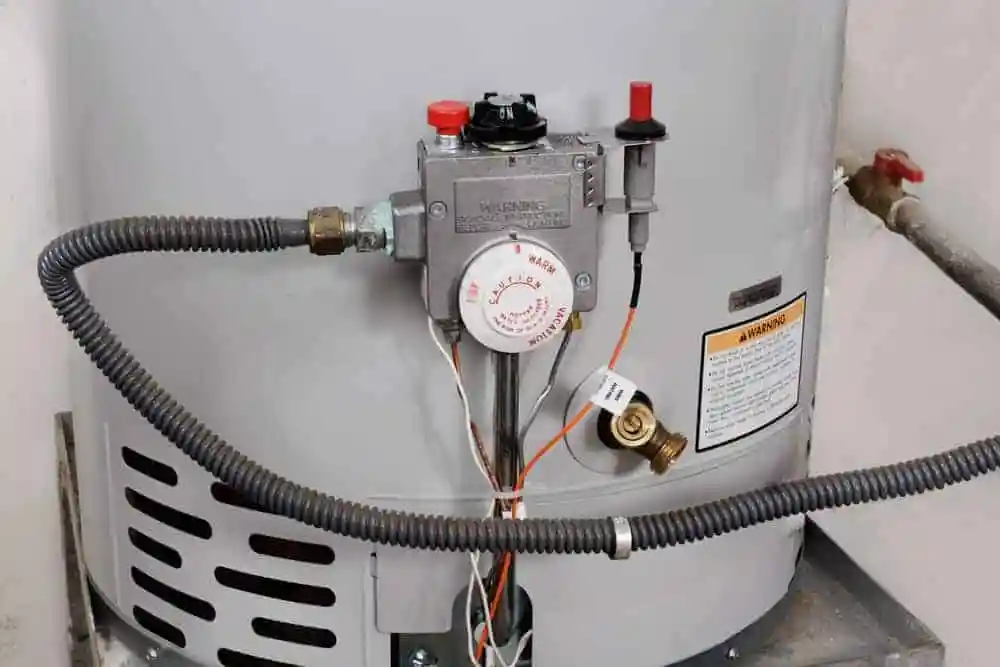
Leaky pipes can contribute to the problem. Uninsulated or poorly insulated pipes lose heat in your cold basement or crawlspace.
This heat loss forces the water heater to continuously reheat lukewarm water. This is a common plumbing issue as temperatures plummet.
This outside factor leads to a greater need for your water heater, resulting in greater output in cold weather. Leaving the water running, hoping it warms up, isn’t effective.
Increased Hot Water Demands
Cold weather increases hot water use: longer showers, laundry from heavier winter items, and dishwashing. This increase in demand also puts extra stress on the pressure relief valve, impacting the pressure of your water delivered.
Your appliances combat additional forces, not usually an issue in summer. This illustrates why water heaters work harder in colder months.
Types of Water Heaters and Their Cold-Weather Performance
Different types of water heaters handle the cold differently. Understanding these differences can help you choose the right system for your needs, especially if you notice problems with your hot water supply during colder weather.
Traditional Tank Water Heaters
Standard tank water heaters store hot water, which loses heat over time (standby heat loss). In cold environments, this heat loss increases. The heater must activate more often to maintain the set temperature and may have problems providing enough hot water when water demands increase.
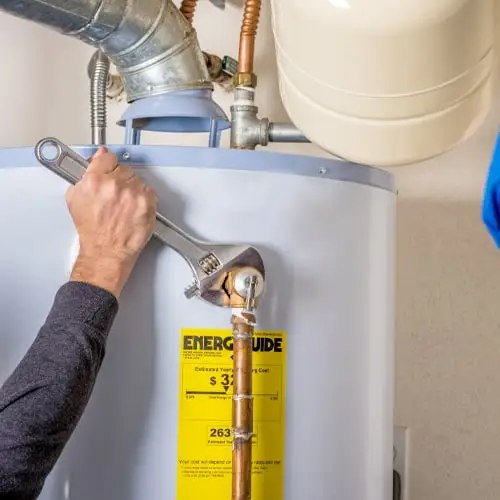
Sediment buildup can impact heating ability. Contact a professional plumber for help rather than attempting DIY fixes.
Tankless Water Heaters
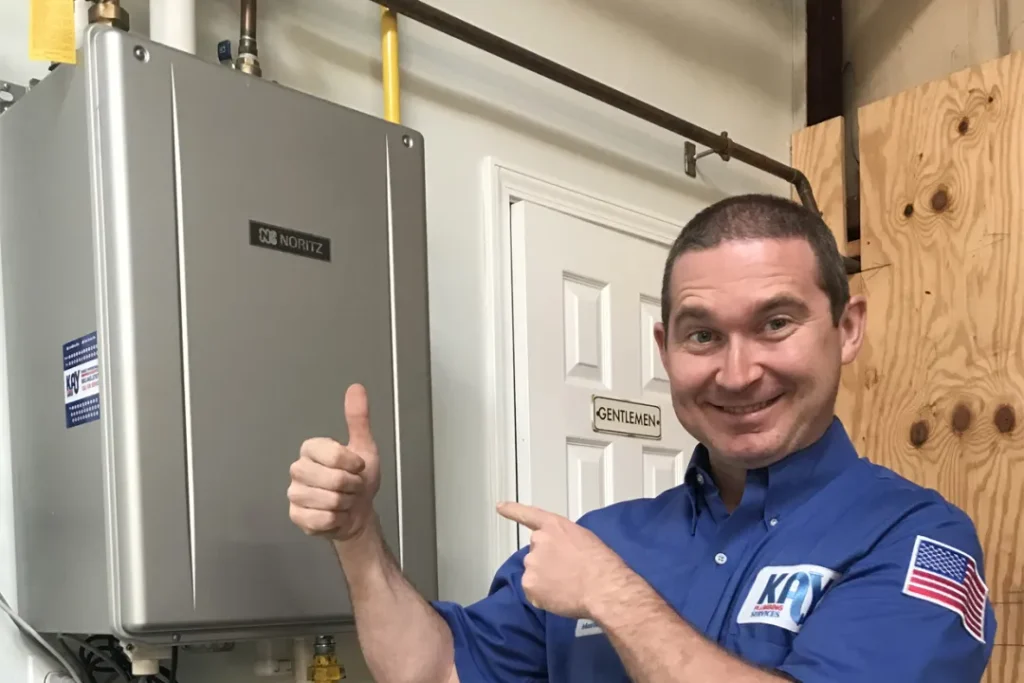
Tankless water heaters heat water on demand, minimizing standby heat loss. However, increased hot water use can overwork these units.
While tankless models eliminate the stored-water issue, other cold-weather performance considerations exist. Input cold-water temperature is still a factor.
Heat Pump Water Heaters
Heat pump water heaters transfer ambient heat to heat water, reducing standby heat loss. In extreme cold, this benefit diminishes.
Regular service agreements with professional plumbers are recommended to mitigate these concerns. Regular maintenance is crucial in the colder months.
Practical Tips to Combat the Cold
There are several DIY options to help your water heater perform better in cold weather. These can be particularly important for an electric water heater since its recovery rate is usually lower than that of a gas unit.
Insulate Your Pipes
Wrap exposed hot water pipes in insulation. This reduces heat loss and can prevent issues with your water temperature. Ensure proper insulation to maximize efficiency and prevent cold water.
Research the best insulation type for your pipes. If you notice rusty water, flush your system. It’s a good idea to address plumbing issues before they worsen.
Lower the Home Thermostat
Lower your home thermostat during trips. Keeping your entire house toasty warms plumbing crevices. A small adjustment can save energy and protect against frozen pipes when the temperatures drop.
Adjust the Water Heater Thermostat
Consider raising the water heater thermostat a few degrees in winter. Lower it again as the weather warms. Adjusting for colder weather can ensure adequate hot water for your needs, though it can lead to higher energy bills.
Regular flushes and temperature adjustments can prevent issues and reduce your energy bills in the long run. Make adjustments as the weather affects the incoming water temperature.
Troubleshooting Common Cold Weather Water Heater Issues
| Problem | Possible Cause | Solution |
|---|---|---|
| No hot water. | Frozen pipes, tripped breaker, pilot control valve out (gas), failed heating element (electric). | Adjust the thermostat (beware of scalding.), and contact a plumber for parts replacement. Check for loose valves if you see rusty discoloration. and |
| Not enough hot water. | Increased demands, sediment buildup, failing dip tube. | Lower home thermostat, insulate pipes and water heater tank, flush the tank, or replace the dip tube. |
| Lukewarm water. | The thermostat is set too low, failing the heating element, or burner. Check the pilot control valve in gas models. | Adjust the thermostat (beware of scalding.), contact a plumber for parts replacement. Check for loose valves if you see rusty discoloration. and |
| Loud noises. | Sediment buildup, failing parts like thermocouples, thermostats, and heating elements. These noises can affect your plumbing fixtures and water supply, and signify underlying problems. | Flush the water tank. Contact a professional plumber if noises persist. |
Conclusion
Winter poses unique challenges for water heaters. From icy inflow to heat loss, various factors impact performance. However, insulation, careful usage, and regular maintenance can make a big difference. Simple fixes like wrapping pipes, maintaining your water softener, adjusting thermostats, and regularly checking your pressure valve can prevent major problems. You should know how to care for your hot water heater in the colder months, to avoid more extensive damage later.
Understanding these aspects helps address issues. With this knowledge on why water heaters struggle in cold weather, your next cold-weather shower can be hot, not lukewarm. Contact qualified plumbing professionals for deeper evaluations when needed.
Contact us today for more information or to schedule a free consultation!