
Ensure Maximum Home Comfort During Winter
Winter storms can create nightmares for homeowners. Burst pipes and water damage are among the most common and costly problems. This guide discusses how to protect pipes from freezing during winter storms and why being proactive is essential. Choose the best prevention methods for your property.
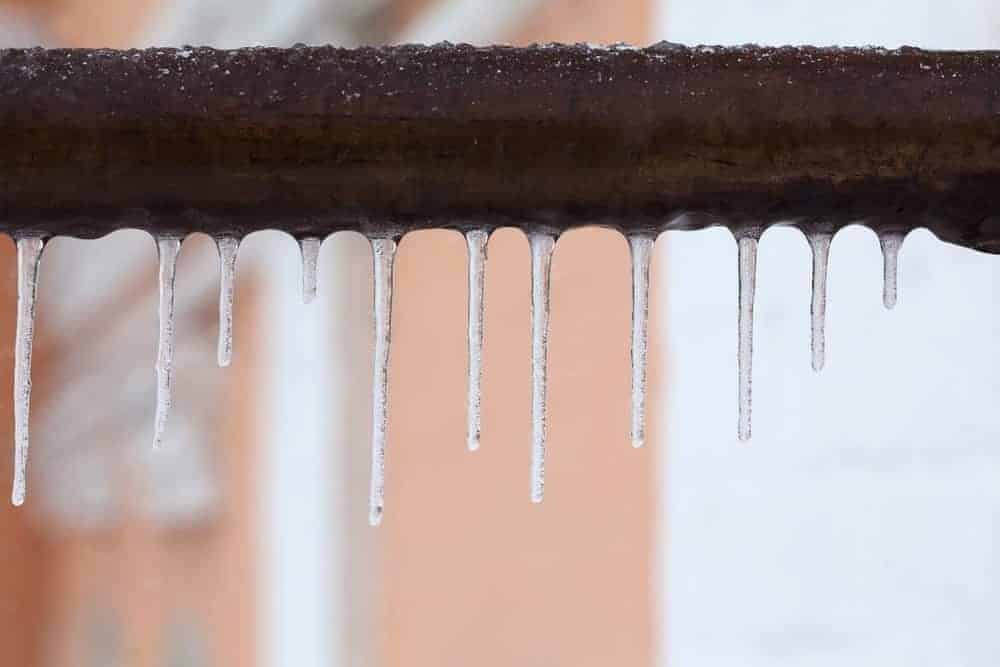
How to Protect Pipes From Freezing During Winter Storms
Insulation: Your First Line of Defense
Insulation is key for protecting your pipes, acting like a warm blanket for your plumbing. It comes in various forms, from foam tubes to fiberglass wraps. Pipe insulation is easy to install and available at home improvement stores.
Focus on pipes in unheated areas like attics, crawl spaces, and garages. Even pipes running along exterior walls benefit from insulation. A small investment in insulation can save a fortune on repairs later.
Heat Tracing: An Extra Layer of Warmth
Heat tape or heat cables provide extra warmth where insulation isn’t enough. They’re like electric blankets designed for pipes. These products use a small amount of electricity to generate heat. This keeps pipes above freezing, even in the coldest temperatures.
Ensure a qualified electrician installs them for safety. Be sure to thaw frozen pipes before they burst when pipes freeze during frigid winter storms.
Keep the Water Running
Moving water is less likely to freeze. During extreme cold snaps, let your faucets drip. Focus on faucets served by exposed pipes or those located on an outside wall. This may increase your water bill slightly but will prevent much costlier issues.
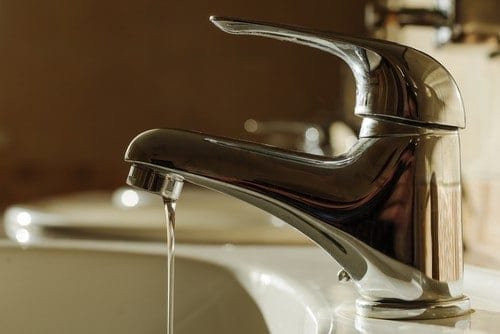
A slow drip can make a big difference. Prevent pipes from freezing to keep the water running all winter long. Learn the latest news for emergency preparedness to help understand how to thaw pipes effectively.
Open Those Cabinets
The air inside your home can help keep pipes warm. Open cabinet doors under sinks, especially those against exterior walls. This circulates warm air around the pipes, creating a barrier against the cold.
Take a moment to open cabinet doors, particularly in closed-off kitchens and bathrooms. This can help with thawing frozen as needed.
Maintain a Consistent Temperature
A programmable thermostat is helpful in winter. Aim for a consistent indoor temperature (at least 55°F or higher), even at night. While this might increase energy bills, it’s cheaper than repairing water damage from burst pipes.
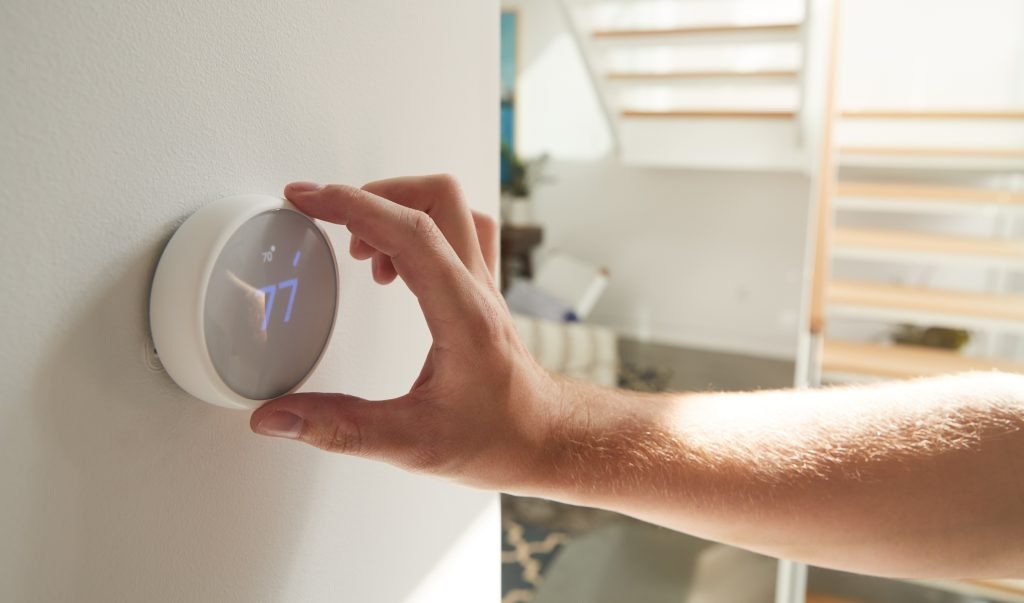
Maintaining higher temperatures prevents pipes from freezing. Be sure to review winter safety tips and how to thaw a pipe during extremely cold weather.
Seal Those Cracks and Gaps
Cold air entering cracks and gaps can freeze exposed pipes. Before winter, seal these air leaks. Start by locating drafts near pipes, such as dryer vents, electrical wiring, and plumbing passing through walls and floors.
Caulk or expanding foam spray effectively seals these gaps. Look for openings around other pipes, too. Sealing cracks is cheaper than repairing walls, floors, and carpets damaged by cold weather and wind.
When seeking more than just ways to melt ice, preventing pipes from freezing should be top of mind during a cold snap or winter storm. Pipes burst more often than you would expect and often property damage happens due to people not understanding their main shutoff or being sure to thaw frozen pipes.
Detach Outdoor Hoses and Cover Faucets
Prepare outdoor faucets (hose bibs) for winter by detaching and storing hoses before the first freeze. Turn off the water supply to the faucets and drain residual water from the pipes. Cover the faucets with insulating covers from any home supply store.
Protecting your faucets prevents costly repairs. Make sure water to outdoor faucets is off to prevent frozen pipes, which may burst under pressure.
How to Thaw Frozen Pipes
If your pipes freeze, act quickly:
Locate the Frozen Area
Turn on the faucet. A trickle or no flow indicates a frozen pipe. Carefully check pipes in cold areas, using caution to avoid slipping hazards and further pipe damage.
It’s important to understand how to protect pipes from freezing during winter storms as a general winter safety practice to avoid cold water damage or any hot water pipes bursting. Be sure you’re prepared in case of burst pipes, including having car insurance just in case any damage impacts insured assets.
Apply Heat (Safely.)
Gently warm the frozen area with an electric heating pad, hair dryer, or towels soaked in warm water. Avoid using an open flame. Never use a torch or other flammable materials near pipes.
Take your time warming the pipes to prevent further damage. Check your home insurance policy for water leak claims before taking action unless damage is unavoidable.
Call a Plumber
If you can’t access the frozen pipe, call a licensed plumber immediately. A plumber can safely thaw the pipe and check for damage. They can also offer advice on preventing future freezing.
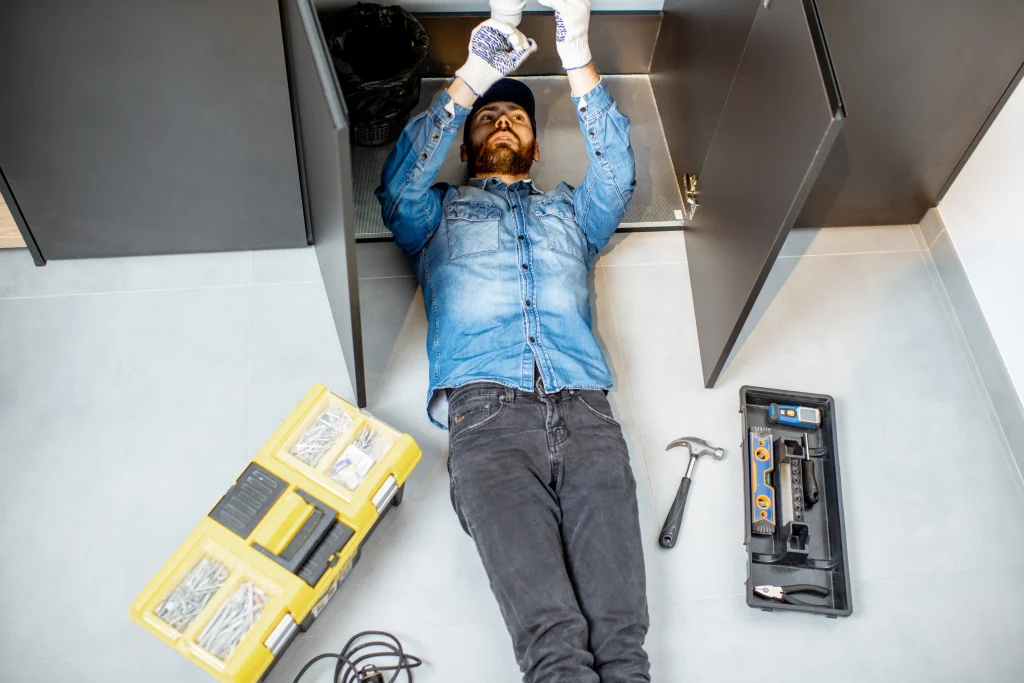
If your water meter appears frozen, contact your local utility company. Their expertise can help in determining the next steps when you’re preparing during cold weather or working with already frozen pipes. Be aware of local media outlets and social media channels during winter storms.
Preparing for Winter: Tips to Consider
Insulate Attics and Crawl Spaces
Ensure adequate insulation in attics, crawl spaces, basements, and garages. Check for exposed plumbing that needs weatherproofing. Thoroughly check your attic insulation and water supply lines.
Proper insulation prevents freezing pipes. Implement winter safety measures such as using a portable space heater in cold areas to prevent water damage.
Know Your Shut-off Valves
Locate your water main and meter shut-off valves for emergencies. Pipes near cupboards and vanities, especially against outside walls, are vulnerable to freezing. Open under-sink cabinet doors to circulate warm air.
Knowing where your shutoff valves are located is important when thawing frozen pipes or preventing pipe freezes. Having access to the main shutoff valve is crucial during extreme cold, especially for homes with exterior walls exposed to the elements.
Take Preemptive Action During a Cold Snap
Check pipes for cracks before the first winter storm. Monitor outside temperatures and turn on cold water drips when temperatures drop rapidly, especially in areas with outside-facing walls. Use a portable space heater if needed.
Keep garage doors closed to reduce exposure to cold air, preventing potential water damage. Use warm water to thaw frozen pipes or to increase water pressure if needed to thaw a pipe quickly. This knowledge is designed to enhance the temperature day and night to reduce risk, just like you may add a cold water drip, if you have an ice storm during the day and you have burst pipes or if you see a need for how to protect pipes from freezing during winter storms, you have steps to take to protect your property.
Conclusion
Protecting your pipes from freezing during winter storms is crucial for preventing costly damage and ensuring a warm, comfortable home. By following these preventive measures, you can avoid the inconvenience and expense of burst pipes. Remember, taking proactive steps to safeguard your home provides peace of mind.
Contact us today for more information or to schedule a free consultation.