
Table of Contents
So, you’re thinking about repiping your house, or maybe you’re building a new one. You’ve heard about PEX piping, this flexible plastic stuff that’s popular. Is PEX piping good? It’s a valid question. Let’s explore PEX and decide if it’s right for you.
PEX Piping: A Comprehensive Look
PEX, or cross-linked polyethylene, has become increasingly common. It’s used in about 60% of new residential construction water distribution systems. But questions are normal. When PEX appeared, many plumbers had doubts, too. PEX pipe is often used in both hot water and cold water applications within plumbing systems. So, what are some of these doubts?
Is PEX Piping Good? Weighing the Pros and Cons
Hands-on experience is helpful. Installing and repairing PEX firsthand shows how this plastic material can impact homeowners. PEX has attractive qualities, but also potential drawbacks. An informed choice starts by looking at every angle.
Advantages of Using PEX
PEX has several strengths.
- Durability: PEX resists corrosion and scale buildup, unlike metal pipes. It offers a longer lifespan. This translates to fewer pipe repairs.
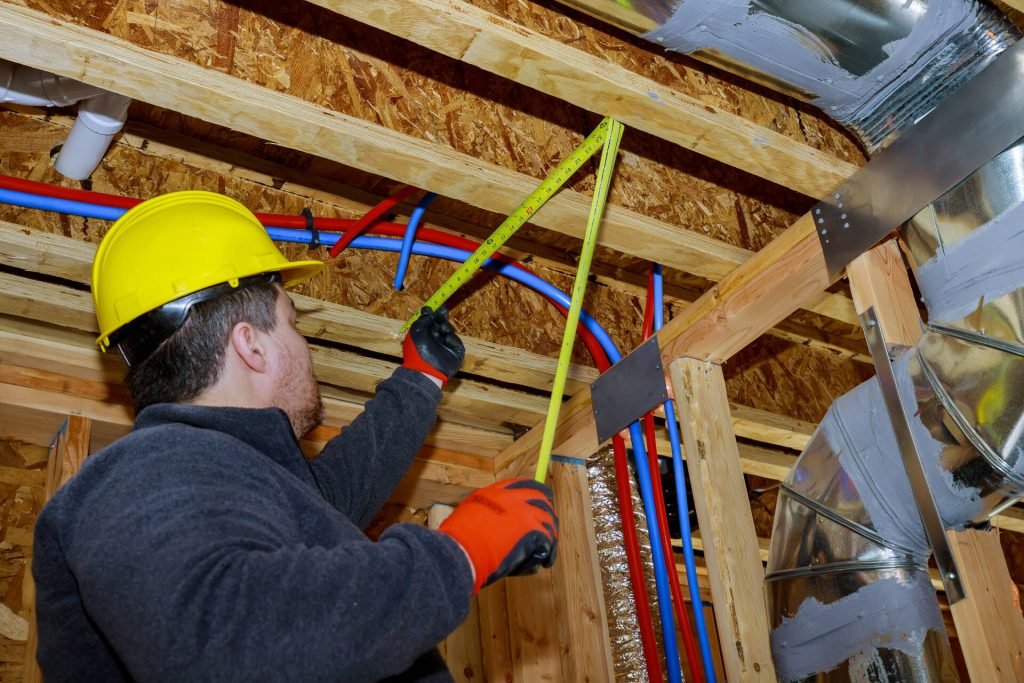
- Flexibility: PEX bends around corners, making installing PEX easier and requiring fewer fittings. Its flexibility makes it a popular choice.
- Freeze Resistance: PEX expands, minimizing burst risks in freezing temperatures, unlike rigid pipes. This is great for colder climates and heating systems. The flexibility of PEX pipe makes it much less susceptible to bursting compared to its metal counterparts. This freeze-resistant feature provides an extra piece of mind to homeowners.
- Energy Efficiency: PEX insulates hot water lines better than metal, reducing heat loss and energy costs. It keeps water hotter for longer.
- Cost-Effective Installation: PEX’s flexibility simplifies installation, requiring fewer fittings and less labor. Using highly durable pex material and potable water will enhance your PEX water and prevent any common problems. The reduced installation time of PEX also helps with the overall PEX cost. So choosing PEX can reduce time and labor costs significantly.
Addressing Concerns about PEX Piping
Despite its benefits, some concerns exist about PEX, even though it can be used for safe drinking water.
Let’s address those now.
- UV Resistance: Sunlight degrades PEX. It’s essential to store PEX pipes properly to minimize sunlight exposure. For water systems and other outdoor PEX plumbing applications, the use of UV-resistant PEX pipe, alongside proper storage, is critical to long-term durability.
- Chemical Leaching: Studies detected chemical leaching from PEX into drinking water systems. Use NSF-61 certified PEX for safe drinking water. For questions regarding safe drinking with your PEX tubing, check that your pipe is NSF-61 certified.
- Rodent Damage: Rodents can chew through PEX, especially in crawlspaces or outside walls.
- Water Taste: While rare, some people report a plastic taste from their water flowing through a plastic material PEX pipe, so the chlorine resistance of your water system is an important thing to check.
So, Is PEX Piping Good for Your Home?
Let’s say your metal piping is outdated copper with frequent leaks. You’re considering long-term use. Here’s a comparison of copper versus PEX piping:
| Feature | Copper | PEX |
|---|---|---|
| Durability | 70-100 years | 50 years |
| Cost | High | Low |
| Installation | Difficult | Easy |
| Corrosion Resistance | No | Yes |
| Flexibility | Rigid | Flexible |
Copper offers longevity. However, PEX offers installation, maintenance, and material cost savings and corrosion resistance. Frozen pipes affect nearly 250,000 US homes yearly. If you’re replacing metal with PEX due to burst pipes in freezing temperatures, PEX is less likely to break. This could offer more certainty and reduce replacement costs and downtime related to flooding. Chemical leaching is another concern. PEX-B piping addresses this potential problem by removing those harmful chemicals.
Choosing between copper and PEX isn’t always simple. Factors like frozen pipes and long-term health concerns should be considered. PEX lasts 50+ years, potentially exceeding homeowner occupancy. PEX also reduces the urgency to replace piping. Copper or PEX decisions should account for every possible impact and involve expert opinions for optimal choices. Building decisions can cause significant issues if not correctly assessed initially.
Minor details like UV exposure for metal pipes or selecting between PEX-A and PEX-B can have long-term consequences. Seeking advice from multiple professionals, including plumbers and engineers, offers greater clarity. This can help homeowners control decisions, get significant savings, and potentially make more profitable choices by accounting for long-term costs and advantages.
Is PEX piping good? Always check local building codes and consult your plumber about PEX’s suitability for your property and water supply. PEX’s flexibility and cost savings often outweigh its drawbacks, especially if copper has proven problematic. Thoroughly researching PEX’s advantages and addressing potential issues with expert guidance will determine its ultimate “goodness” for your individual needs. This may require specialized tools or specific PEX connections for some plumbing applications.
FAQs about PEX Piping and Its Use in Modern Plumbing
What are the main advantages of using PEX piping in a home plumbing system?
PEX piping is flexible, easy to install, and resists corrosion and freezing better than metal pipes. It also retains heat efficiently, saving energy and reducing long-term water heating costs.
Are there any health or safety concerns with drinking water from PEX pipes?
Yes, but only when uncertified materials are used. Always choose NSF-61 certified PEX piping to ensure water safety, minimize chemical leaching, and maintain water quality in household systems.
Can PEX piping be used outdoors or in sunlight-exposed areas?
Not directly. Standard PEX degrades in UV light, so if it’s used outdoors, it must be properly insulated or replaced with UV-resistant alternatives for long-term durability.
How does PEX compare to copper piping in terms of lifespan and maintenance?
PEX typically lasts over 50 years and requires less maintenance than copper, which can corrode and is more prone to freezing. It’s a practical option for modern plumbing systems with fewer long-term complications.
Conclusion
Is PEX piping good? It depends. Weigh the pros and cons based on your situation. Consult a qualified local plumber. If copper pipes have been problematic, PEX may be a better solution.
PEX offers advantages in terms of flexibility, installation cost, and resistance to certain issues that plague metal pipes, but make sure your plastic tubing meets NSF International standards. Considering PEX’s long-term benefits can help you make informed decisions about your plumbing and ensure access to safe drinking water for a long time. While fittings require crimping, it ensures strong and leak-free PEX connections.
Overall, for some, PEX is more than good. PEX can contribute to sustainable building practices. It may improve the energy efficiency of water distribution, leading to a smaller environmental impact and promoting the concept of “green” plumbing in both residential and commercial buildings. Durable PEX water systems and their UV resistance can also improve performance, reduce water treatment costs, and less distribution system repairs.
Contact us today for more information or to schedule a free consultation.